3 Ways Healthcare Education Is Advancing Global Oncology: Binaytara August Updates

Author
Binaytara Team
"
Knowing that those resources can help women access screening earlier makes the work especially meaningful.
Dr. Amit Chaudhary
Binaytara Medical Officer, Nepal
The Binaytara Monthly Newsletter recently discussed what’s new with our cancer care equity programming. Across Nigeria, Nepal, and the United States, a throughline emerged: healthcare education.
For certain communities, digital health—and digital health education—is a revolutionary accessibility measure. For others, in-person support is the surest way to educate healthcare providers, patients, and advocates to pave the path toward healthy communities. In either case, programs are backed by evidenced-based input from the Binaytara Cancer Research Institute.
This month: Monsoon season is coming to an end in Nepal, so it’s time for Binaytara’s cervical cancer prevention program to ramp back up. Plus, virtual health education takes center stage for Project Naija and the Binaytara Cancer Research Institute, ensuring the best healthcare can happen anywhere.
Evidence-Based Upgrades to our Cervical Cancer Screening Program in Nepal
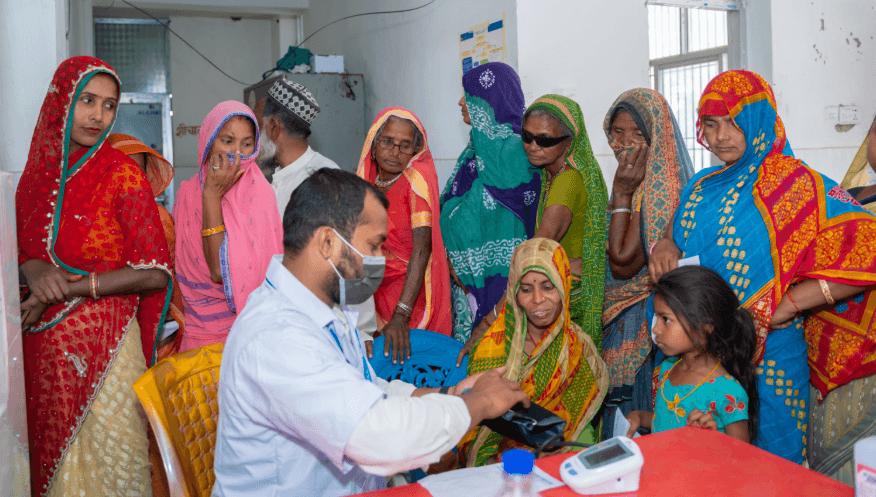
Women gather for a demonstration at a 2025 health camp
Last year, we screened 274 women for cervical cancer in Janakpur, Nepal—266 for the first time in their lives. Earlier this year, Binaytara researchers took the data from that screening series to the biggest oncology meeting in the world.
What they found: A cohort of Nepali women, especially those aged 30-44, relied on Female Community Health Volunteers (FCHVs) for screening information. That means that in a population hesitant about cervical health, the FCHVs are a crucial part of the equation when it comes to lifesaving early detection.
Now, the team is integrating that data into a revamped screening program designed to meet Madhesh women where they are. As Nepal’s monsoon season comes to an end, we’re training four times the number of FCHVs as last year for potentially four times the impact. Screening kits are en route, FCHV training is taking place in the coming weeks, and the 2026 cervical cancer screening camps will launch in the fall.
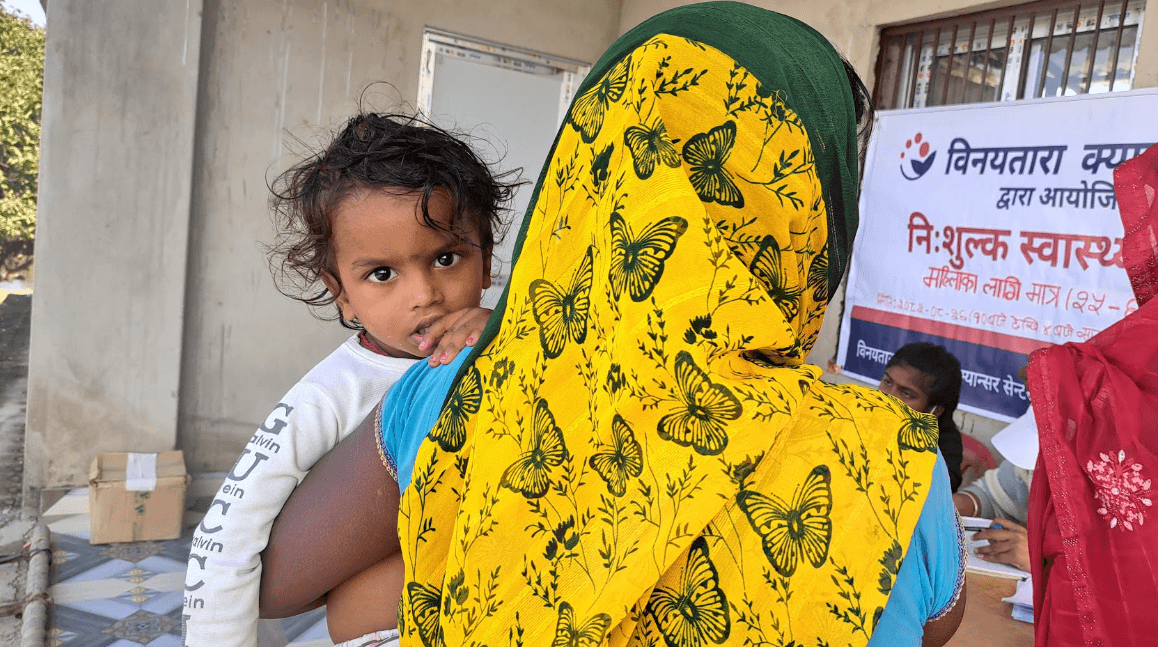
“It’s incredibly rewarding to see an idea grow from identifying a knowledge gap during a training survey to creating practical tools, like flip charts and educational videos, that Female Community Health Volunteers can confidently use in their own communities. Knowing that those resources can help women access screening earlier makes the work especially meaningful.”
Dr. Amit Chaudhary, Binaytara Medical Officer, Nepal
Virtual Nurse Training for the Ebute Metta Team in Nigeria
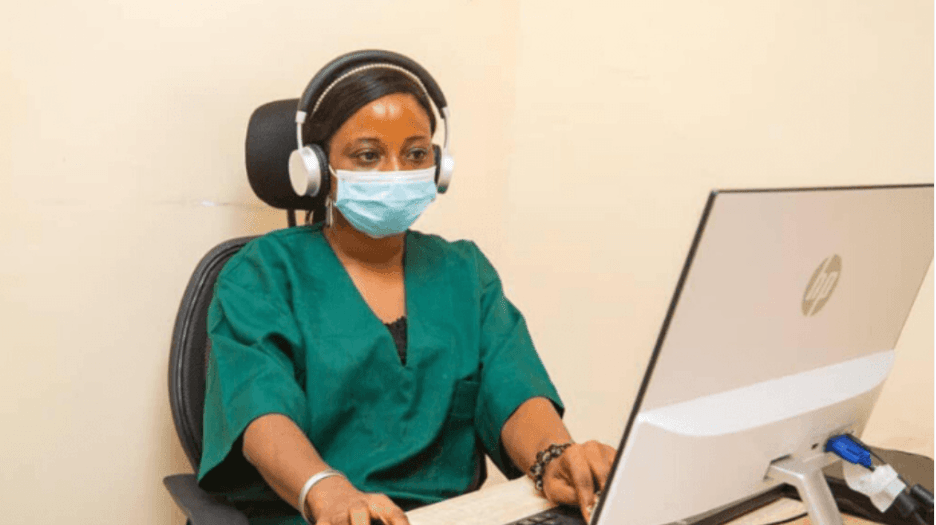
FMC Ebute Metta nurse
The central tenet of Binaytara’s global oncology program in Nigeria (dubbed Project Naija) is to improve access to cancer care across the country. Better cancer care starts with the best cancer care education—which isn’t always available onsite. This month, we conducted a virtual oncology nurse training seminar with our team in Nepal and our partners at the Nigerian hospital Federal Medical Center Ebute Metta. Led by longtime oncology nursing specialist Yvonne Bossert (DNP, MSN, RN), a global cohort of healthcare attendees learned about the immune system and oncology, with an interactive session on clinical applications and takeaways. Fifteen nurses across three continents, striving to give better cancer care.
Leveraging Technology to Close the Sickle Cell Clinical Trial Gap
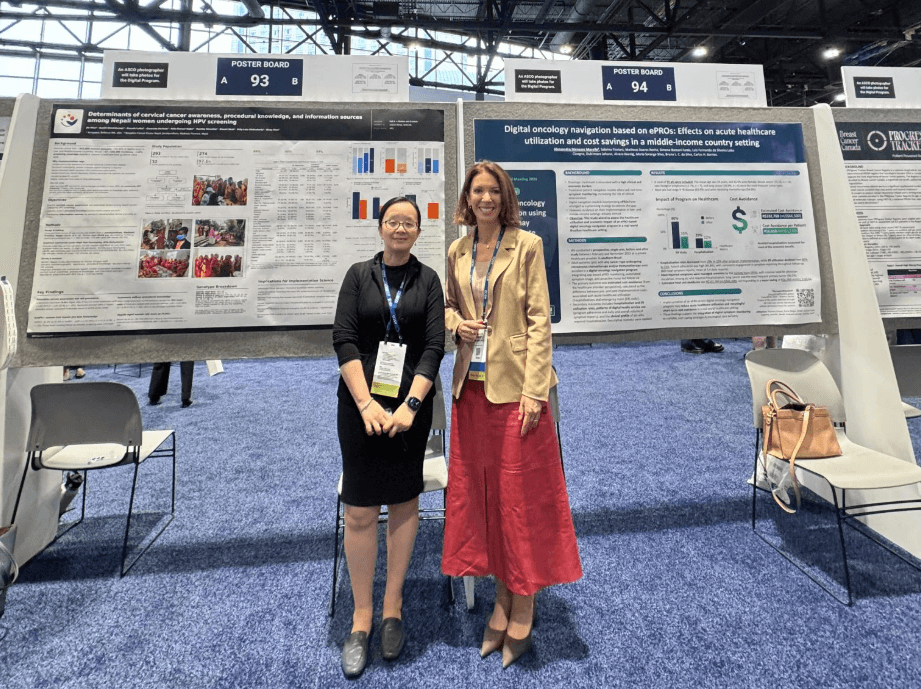
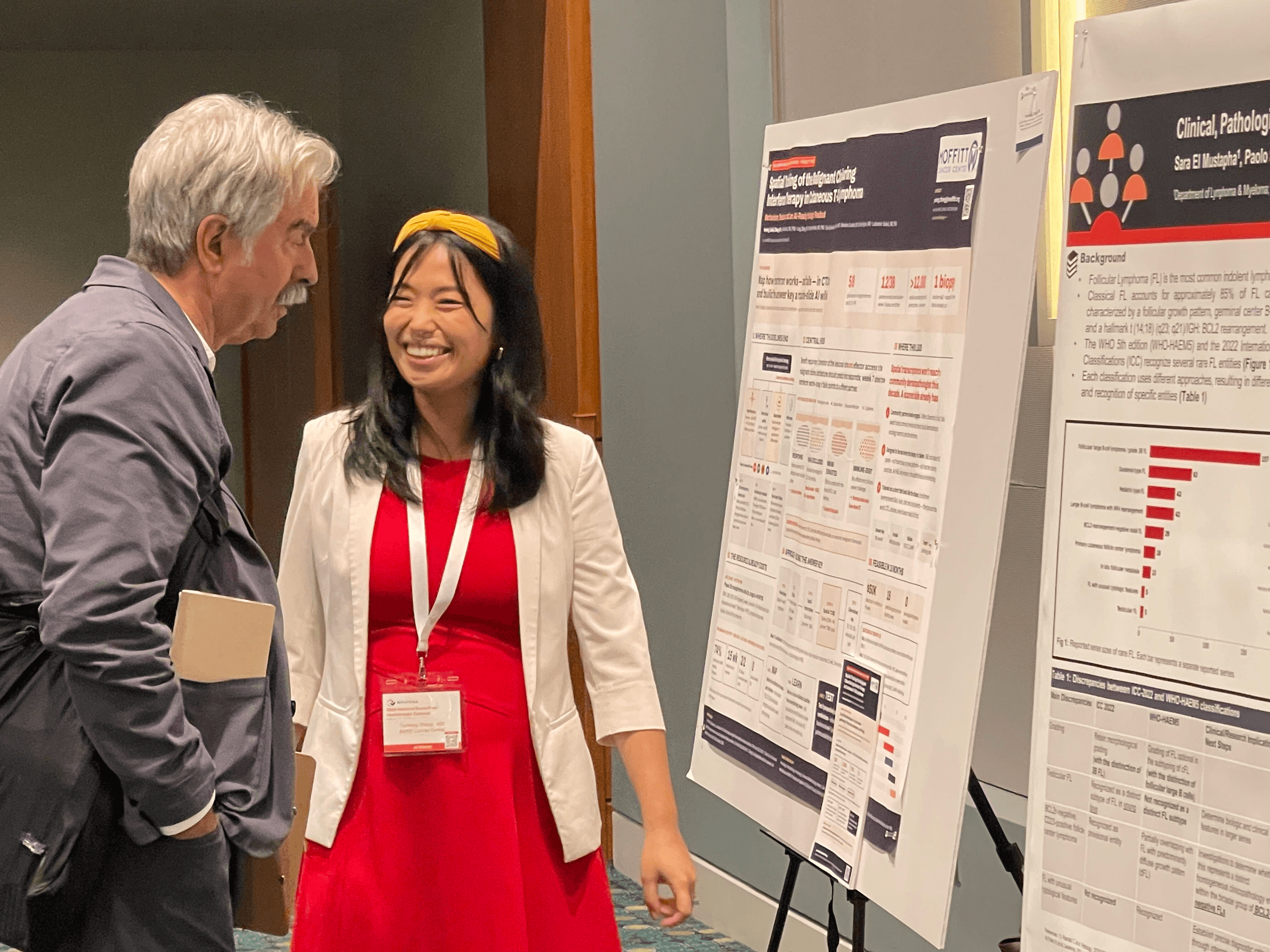
BCRI Implementation Scientist Dr. Jin Mou (left) at the American Society of Oncology Annual Meeting
Up to 57% of US-based sickle cell disease (SCD) trials close before reaching full enrollment, and often not for lack of willing patients: care teams haven't had the chance to practice coordinating across disciplines before a trial goes live. Patients miss out on opportunities to receive cutting-edge therapy, and scientists miss out on the chance to make meaningful progress against the disease.
Binaytara Cancer Research Institute (BCRI) received a Pfizer-funded grant to develop SCD TrialOps Simulation Lab, a training program preparing care teams to run sickle cell disease trials. BCRI investigators join forces with oncologists from Augusta University, the University of Tennessee, and the Methodist Comprehensive Sickle Cell Center. In a novel interactive design, participants move through branching, scenario-based simulations covering everything from eligibility assessment to protocol deviation prevention.
The Road Ahead
Want to stay in touch? Sign up for our monthly newsletter to get our programmatic updates delivered to your inbox. We're laying the groundwork for some of our biggest initiatives ever, and we'd love to for you to be the first to know about the outcomes, from the big milestones to the small moments.
Recommended Articles