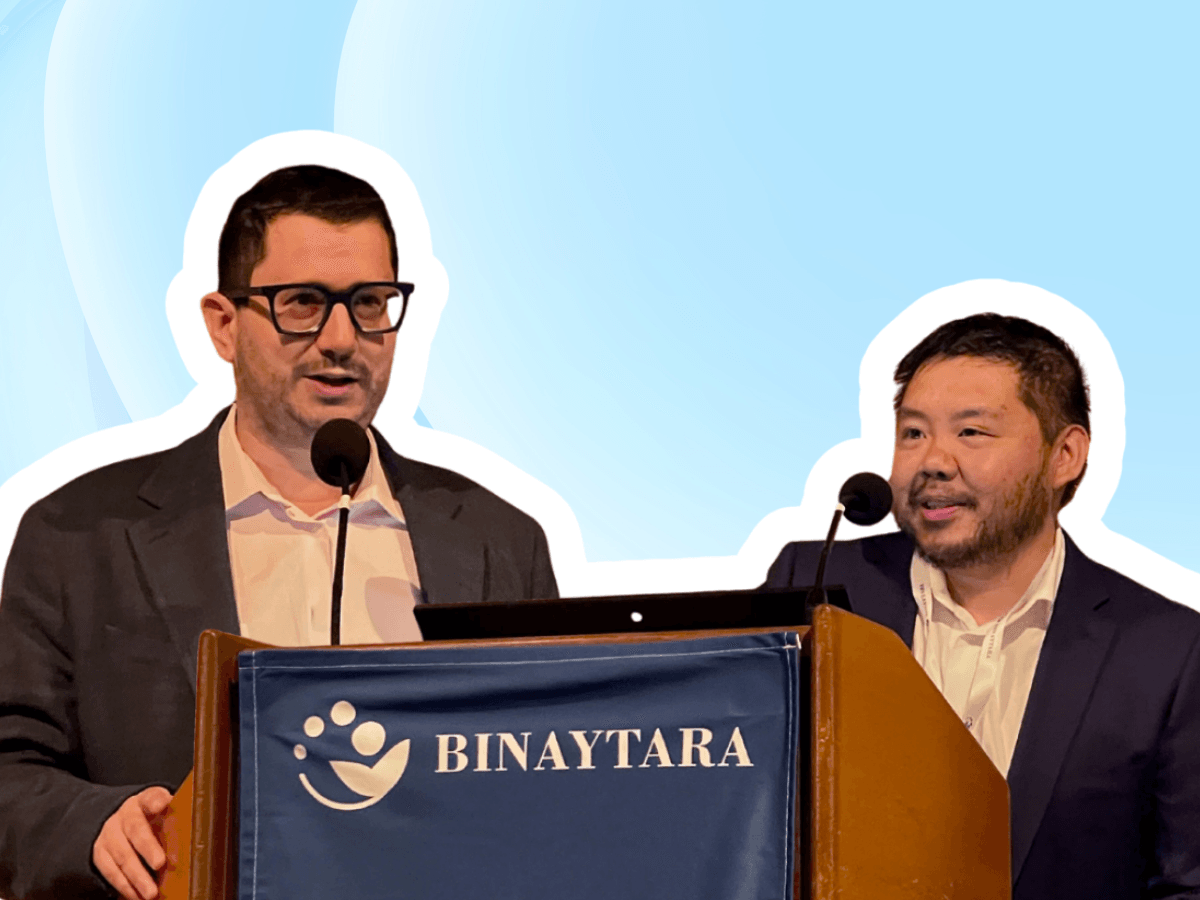
When Asking for Too Much Creates Inequity: SCHD26 Oral Abstract Presenter Dr. Dr. Nissim Benizri


Author
Binaytara Team
Faster Colorectal Cancer Testing Could Improve Equity: SCHD26 Oral Abstract Presenter Dr. Nissim Benizri
Timely molecular testing can shape treatment decisions in metastatic colorectal cancer, yet access delays remain a major equity challenge. At SCHD26, Dr. Nissim Benizri presented research showing that in-house BRAF IHC may offer a faster, lower-cost alternative to centralized NGS workflows, helping more patients receive targeted therapy without dangerous delays.
How Dr. Nissim Benizri Framed the Access Problem at SCHD26
Taking the stage in the middle of the Summit on Cancer Health Disparities (SCHD26), first authors of top abstracts from SCHD26’s record-breaking submission pool offered a snapshot of the next generation of disparities research.
Hailing from Canada’s McGill University Health Centre, Dr. Nissim Benizri presented his abstract titled “When Asking for Too Much Creates Inequity: Centralized NGS Workflow vs In-House BRAF IHC in Metastatic Colorectal Cancer.” The fourth-year oncology resident’s co-authors include Dr. Yohann Pilon, Dr. Irem Engin, Dr. Eliana Rohr, Dr. Petr Kavan, Dr. Gerald Batist, Dr. Alan Spatz, and Dr. Kim Ma.
Comparing Centralized NGS Workflow With In-House BRAF IHC
The study tested a faster, simpler, and less costly alternative test for a gene mutation that predicts metastatic colorectal cancer: VE1 IHC. Looking particularly at the turnaround time for test results, the group’s findings were striking: VE1 IHC returned results in a median of 9 days compared to 19 days for the standard test, and nearly half of patients had their results ready by the time of their very first oncology appointment. VE1 ICH is, then, a practical, lower-resource tool that could help ensure patients get lifesaving treatment at the right time.
“And that's the idea of the next step in all of this,” Dr. Benizri explained: “to really improve access to targeted therapy across Canada, and even across the world… the need to standardize access to molecular testing and treatment across centers is there.”
Implementation Science and the Push for More Equitable Cancer Care
Dr. Benizri’s work is based in implementation science. It doesn’t champion the most-cutting edge treatment as the path forward; it looks at who is getting left behind by that treatment, and strives to meaningfully close the gap.
“The challenge is the systemic inequities in access to physician oncology,” Dr. Benizri said.
What Dr. Benizri’s Findings Could Mean for Cancer Centers Across Canada and Beyond
With an audience of oncologist peers and colleagues, SCHD26’s oral abstract session provided a platform for Dr. Benizri to make a bid for a less costly, quicker colorectal cancer test. In a field where turnaround time can be the difference between life and death, the stakes are clear.
“We're not talking about small numbers,” Dr. Benizri told SCHD26. “We're talking about thousands in survival here.”
Frequently Asked Questions About Faster Colorectal Cancer Testing and Access Equity
What did Dr. Nissim Benizri present at SCHD26?
Dr. Benizri presented research comparing centralized next-generation sequencing (NGS) with in-house BRAF IHC testing in metastatic colorectal cancer, focusing on speed, cost, and equitable access to targeted therapy.
What is VE1 IHC in colorectal cancer testing?
VE1 IHC is an immunohistochemistry-based test used to identify a BRAF mutation in metastatic colorectal cancer. It may offer a simpler and faster alternative to more resource-intensive testing pathways.
Why does testing turnaround time matter in metastatic colorectal cancer?
Faster turnaround times can help oncologists make earlier treatment decisions, which is especially important in metastatic disease where delays may affect outcomes and access to targeted therapy.
What were the key findings from the study?
The study found that VE1 IHC returned results in a median of 9 days compared with 19 days for the standard testing approach, and nearly half of patients had results by their first oncology appointment.
Why is this research important for health equity?
The study highlights how lower-cost, quicker testing tools may reduce disparities in access to molecular testing and targeted treatment, especially across centers with different levels of resources.
Recommended Articles

Lessons Learned on the 10-Year Anniversary of Establishing Nepal’s First Bone Marrow Transplant Center
Learn more