Binaytara President and Co-Founder Dr. Binay Shah Recognized as One of 100 Most Influential Oncology CEOs
Medically reviewed by on

Author
Binaytara Team
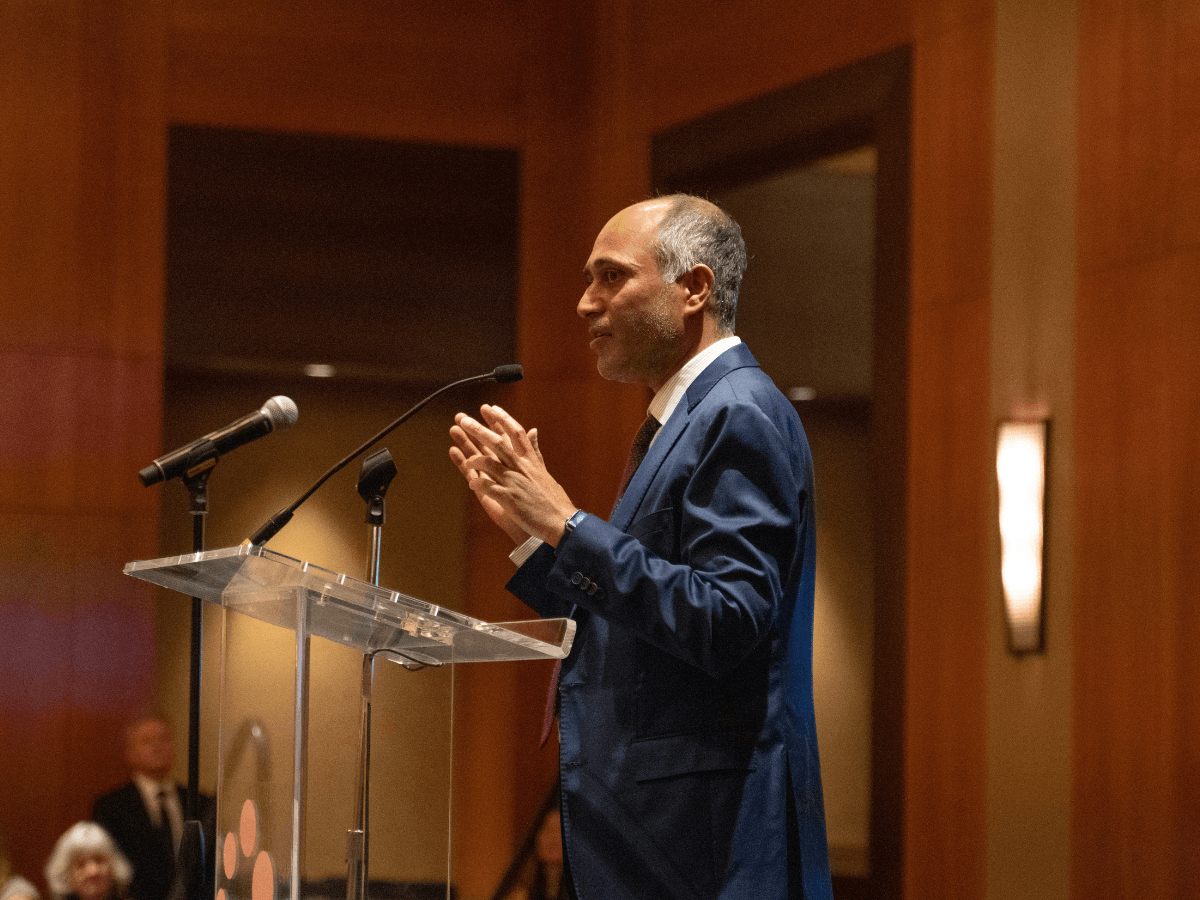
Binaytara President and Co-Founder Dr. Binay Shah has been recognized by OncoDaily as one of the 100 most influential oncology CEOs in 2025, honoring his leadership in global oncology, cancer education, and efforts to reduce disparities in access to evidence-based cancer care worldwide.
Binaytara is excited to announce that its president and co-founder, Dr. Binay Shah, has been recognized as one of the top 100 most influential CEOs in 2025. This recognition comes from OncoDaily, a leading global oncology media platform and community. They feature daily news, insights, expert interviews, and patient stories on cancer research, treatments, and awareness, aiming to connect patients, survivors, and professionals within the oncology community.
This announcement comes after a fantastic 2025 for Binaytara, during which, under Dr. Shah's strategic leadership, we successfully organized 50 live continuing medical education conferences, held several health camps across rural Nepal, expanded partnerships with health institutions globally, and strengthened our existing health and educational projects and programs.
Dr. Shah's impact in oncology spans multiple aspects of the field, from education and health to research and global oncology. Upon receiving this honor, Dr. Shah expressed his gratitude, sharing, "Deeply honored and thankful to my team at Binaytara and our partners who work tirelessly to expand access to evidence-based cancer care, education, and infrastructure in underserved communities."
Dr. Shah's Strategic Leadership Transforms Cancer Care Globally
Since its inception in 2007, Binaytara has evolved and grown while remaining steadfast in its mission of minimizing cancer health disparities. Over the years, in fulfilling Dr. Shah's mission to help those who are medically underserved, we have established, organized, and collaborated with other organizations and institutions to bring impactful programs to patients globally.
In 2013, Binaytara supported the development of Nepal's first bone marrow transplant center in Kathmandu and also collaborated with the government of Madhya Pradesh in India to support capacity building for 51 hospice and palliative care programs. These programs alone brought essential health services to over 73 million people.
Recognizing the need to reach and impact more people, in 2018, Dr. Shah initiated the establishment of Binaytara Clinic, a 25-bed facility that provides cancer prevention, diagnosis, and treatment services to underserved communities. Since then, we have served over 2,000 local patients, reducing the need for patients to travel long, strenuous hours for treatment.
With expansion projects in the works, Dr. Shah is spearheading Binaytara's plans to build a 200-bed comprehensive cancer hospital in Nepal to strengthen local oncology infrastructure. The completion of this hospital is estimated to serve more than 25 million people across Southern Nepal and Northern India.
In 2025, Dr. Shah visited Nigeria to strengthen oncology partnerships in West Africa. During this visit, he signed an MOU with the Federal Medical Center (FMC) Ebute Metta for Binaytara to provide essential oncology services and training programs. Following this collaboration, Dr. Shah co-founded the Project Naija Global Oncology Working Group (PNOWG).
This working group represents an elite collaboration between FMC Ebute Metta leadership, Binaytara global oncology leadership, and pioneering Nigerian American physicians who conceptualized this transformative Global Health initiative.
Innovation in Cancer Education: Binaytara's Transformative Oncology Solutions
Under Dr. Shah's leadership, innovation continues to drive Binaytara's mission and its projects. In 2025, several of our oncology education programs and platforms were updated to reflect the evolution of technology, particularly with artificial intelligence.
Our flagship journal, the International Journal of Cancer Care and Delivery (IJCCD), was enhanced with an AI-powered search feature through the introduction of AIRA, AI Research Assistant. AIRA allows users to navigate the journal with ease, accessing articles and specific information from over 200 published manuscripts.
Additionally, OncoBlast, the world's first application that provides oncology-centered, game-based activities accredited to earn Maintenance of Certification (MOC) Points and Continuing Medical Education (CME) Credits for free, is continuously receiving updates and new developments. With over 30 courses and its innovative Geek Mode and Fun Mode interface, busy oncology professionals are able to stay updated with the latest in oncology while being engaged and entertained. Due to Dr. Shah's strategic guidance for development, OncoBlast was featured in Modern Healthcare as part of the growing wave of medical education and healthcare through gamification.
The Future of Oncology: Binaytara's 2026 Vision for Minimizing Disparities in Cancer Care.
Binaytara is moving into 2026 with its vision to create a world where everyone has access to evidence-based, culturally appropriate healthcare that improves their quality of life. For Dr. Shah, this vision is driven by collaboration, education, empowerment, innovation, and community engagement. With these values in mind, Binaytara is expanding and strengthening its educational, health, and research programs both in the United States and worldwide.
In 2026, we will organize up to 70 CME live conferences, strengthen our partnerships with Nigerian and Nepali institutions, empower early career health professionals with research awards and subsidized educational programs, provide more health services in resource-limited regions, and continue to innovate in the delivery of our programs and services.
As several of our initiatives are already underway, Dr. Shah expressed his enthusiasm for Binaytara’s impact in 2026, stating: “We are very excited about the hospital construction project, and 2026 will be an especially meaningful year for us. We are also planning to train healthcare professionals from Nigeria. These initiatives are central to our mission and will meaningfully change how care is delivered—improving nursing education, chemotherapy administration, and ultimately the quality of cancer care at their home institutions.”
Recommended Articles