Breast Cancer Screening Goes Mobile: SCHD26 Oral Abstract Presenter Savannah Allen

Author
Binaytara Team
Breast Cancer Screening Goes Mobile: Expanding Access Through Innovation at SCHD26
A mobile mammography unit in East Tennessee is transforming access to breast cancer screening for underserved communities. Presented at SCHD26, this initiative demonstrates how bringing care directly to patients can reduce disparities and improve early detection outcomes.
Advancing Cancer Health Equity at SCHD26
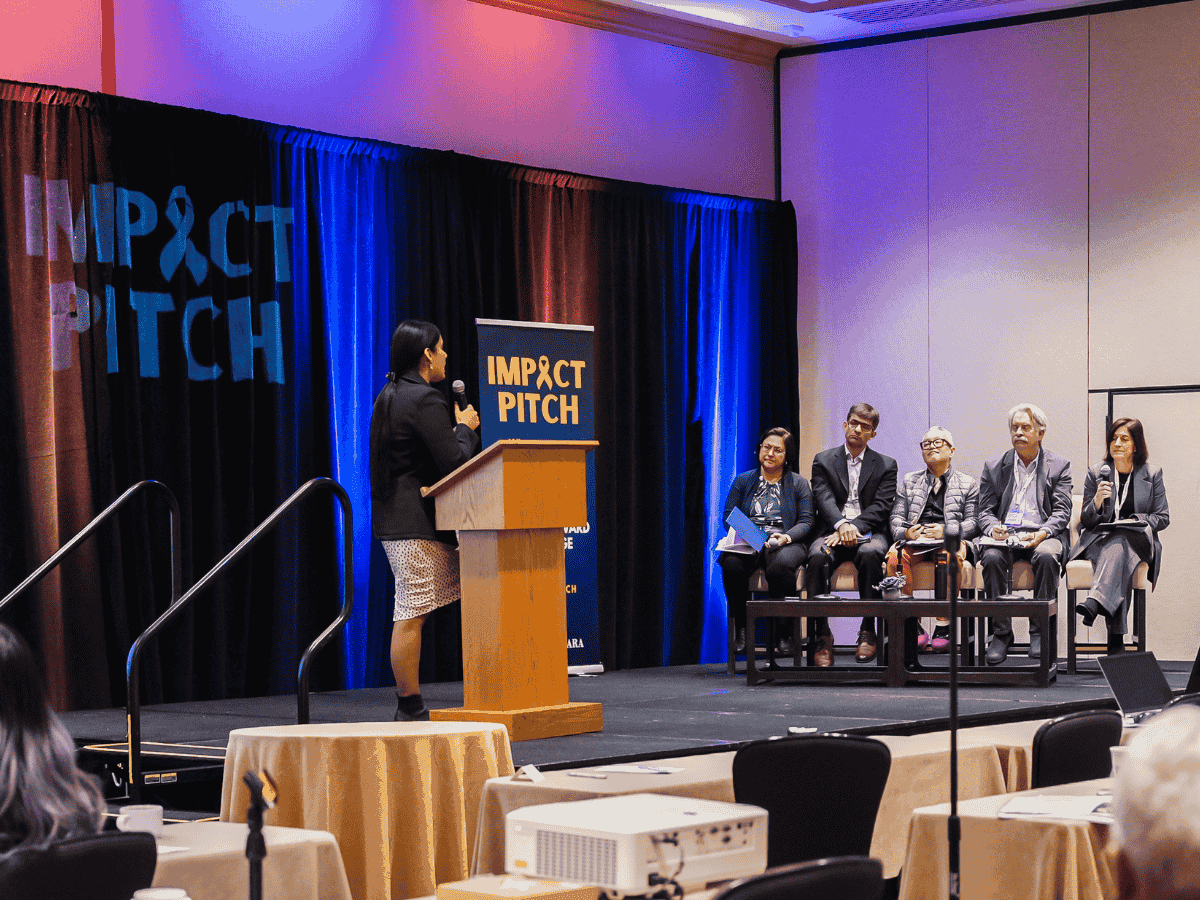
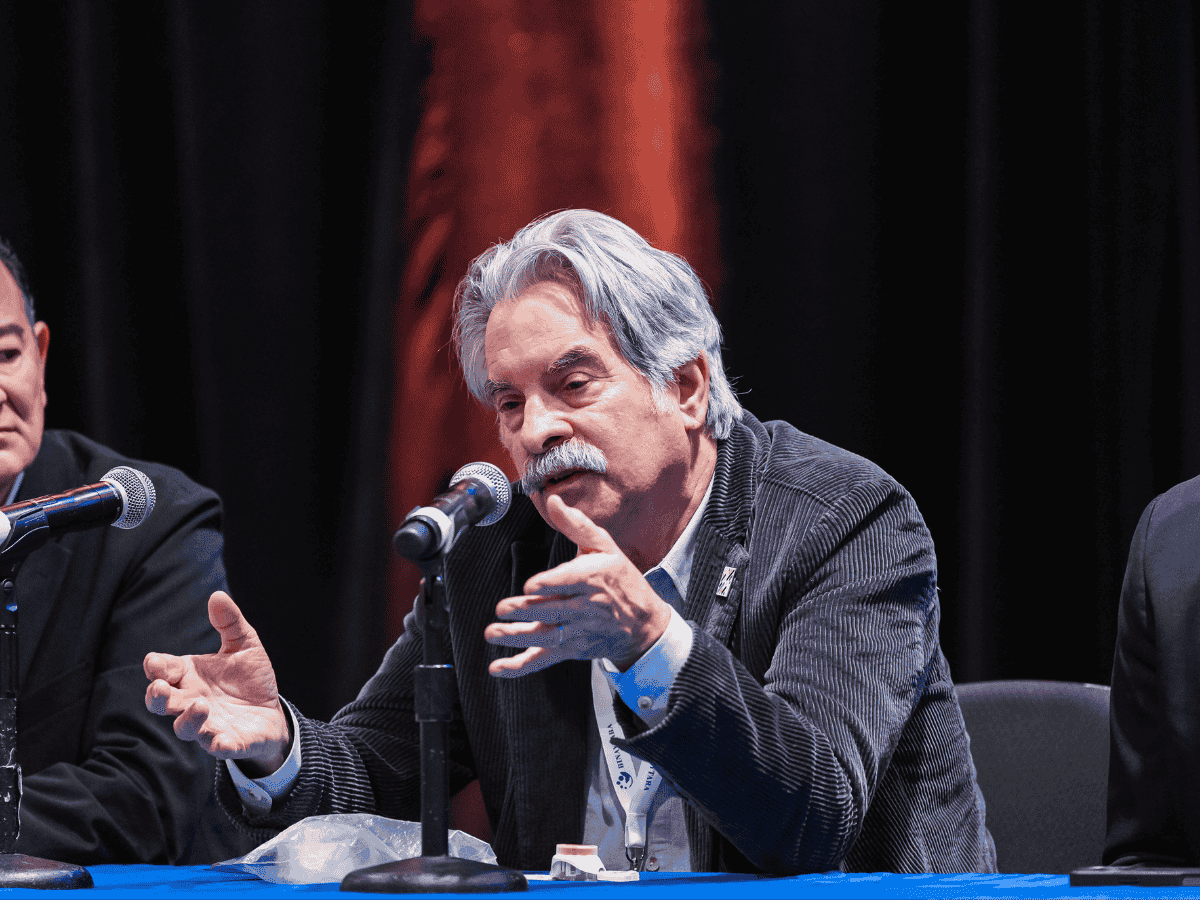
As one of the largest disparities conferences in the United States, the Summit on Cancer Health Disparities (SCHD26) is many things—among them, a robust research symposium where the next generation of health equity investigators are given a platform to present their findings. In one memorable session, first authors of abstracts selected for oral presentation took to the podium to address the SCHD26 crowd.
Savannah Allen, an investigator at the University of Tennessee Health Science Center, kicked off the session. Allen presented her abstract “Bridging the Gap in Breast Cancer Screening Disparities for Underserved East Tennessee Women Through a Mobile Mammography Unit Program,” which is co-authored by Dr. Robert E. Heidel, L. Mae King, and the late Dr. John L. Bell.
Mobile Mammography Units Bring Screening to Underserved Communities
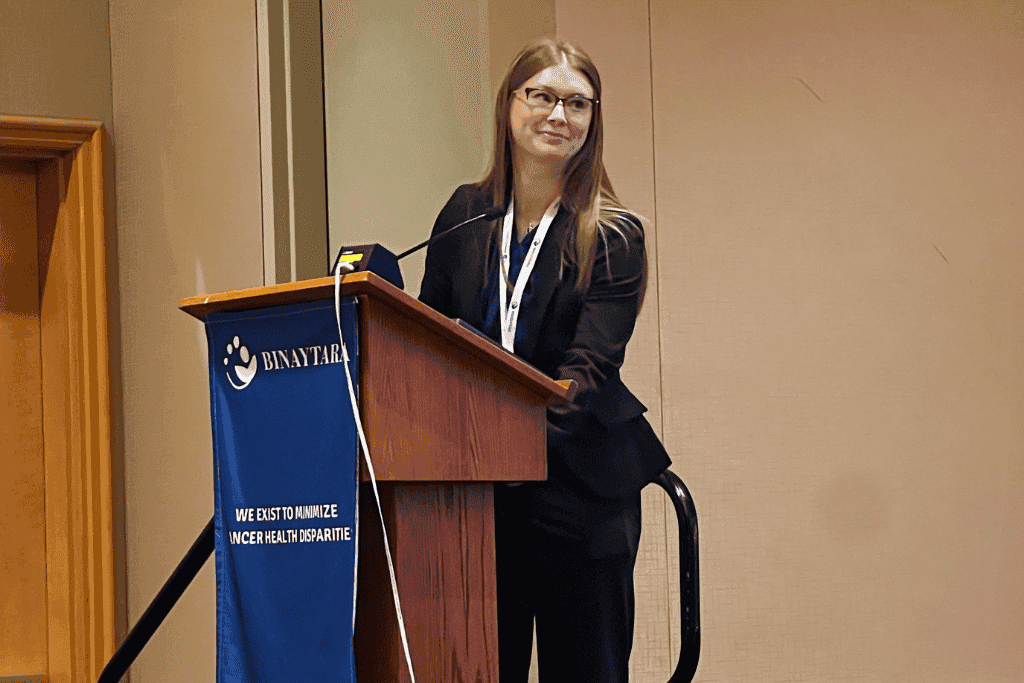
Briefly, Allen’s presentation—and the group’s work—focused on a mobile mammography unit (MMU) program in East Tennessee, which expands access to breast cancer screening through several targeted measures: meeting rural residents in their own communities, offering screening services regardless of a person’s ability to pay, and utilizing a patient navigator who rocketed follow-up completion rate (given that the breast cancer screening process is far from a one-and-done appointment) above the national benchmark.
For her part, Allen was energized by the larger current of SCHD26. “Presenting my oral abstract at SCHD was a meaningful experience,” she said. “It was valuable to share the results of our mobile mammography unit program in rural East Tennessee in a space dedicated to addressing disparities in cancer care.”
A Scalable Model for Reducing Breast Cancer Disparities
To Allen, cancer health inequities are an all-too-common barrier to patients taking lifesaving preventive action. Her work with the MMU, which grounds compassionate care in rigorous empirical evidence, can serve as a replicable model for similar programs when given a public platform at a collaborative research event like SCHD26.
“Improving access to these services is a critical step in detecting cancer earlier and improving outcomes,” Allen said. “Conferences like SCHD help keep focus on these issues and move efforts forward toward more equitable care.”
Frequently Asked Questions About Mobile Mammography and Screening Access
1. What is a mobile mammography unit (MMU)?
A mobile mammography unit is a traveling medical facility equipped to provide breast cancer screening services directly within communities, especially in rural or underserved areas.
2. How do mobile mammography programs improve access to care?
They eliminate barriers such as transportation, cost, and geographic distance by bringing screening services directly to patients and often offering low- or no-cost care.
3. Why is follow-up care important after a mammogram?
Breast cancer screening often requires additional imaging or evaluation. Effective follow-up ensures timely diagnosis and treatment if abnormalities are detected.
4. What role do patient navigators play in screening programs?
Patient navigators help guide individuals through the screening and follow-up process, improving completion rates and reducing delays in care.
5. Can mobile mammography programs reduce health disparities?
Yes, by increasing access to early detection services in underserved populations, these programs can help reduce disparities in breast cancer outcomes.
Recommended Articles