The “Why” in Team: Meet Impact Pitch Catalyst Dr. Jerald Radich

Author
Binaytara Team
Meet Dr. Jerald Radich, Impact Pitch Catalyst at SCHD26
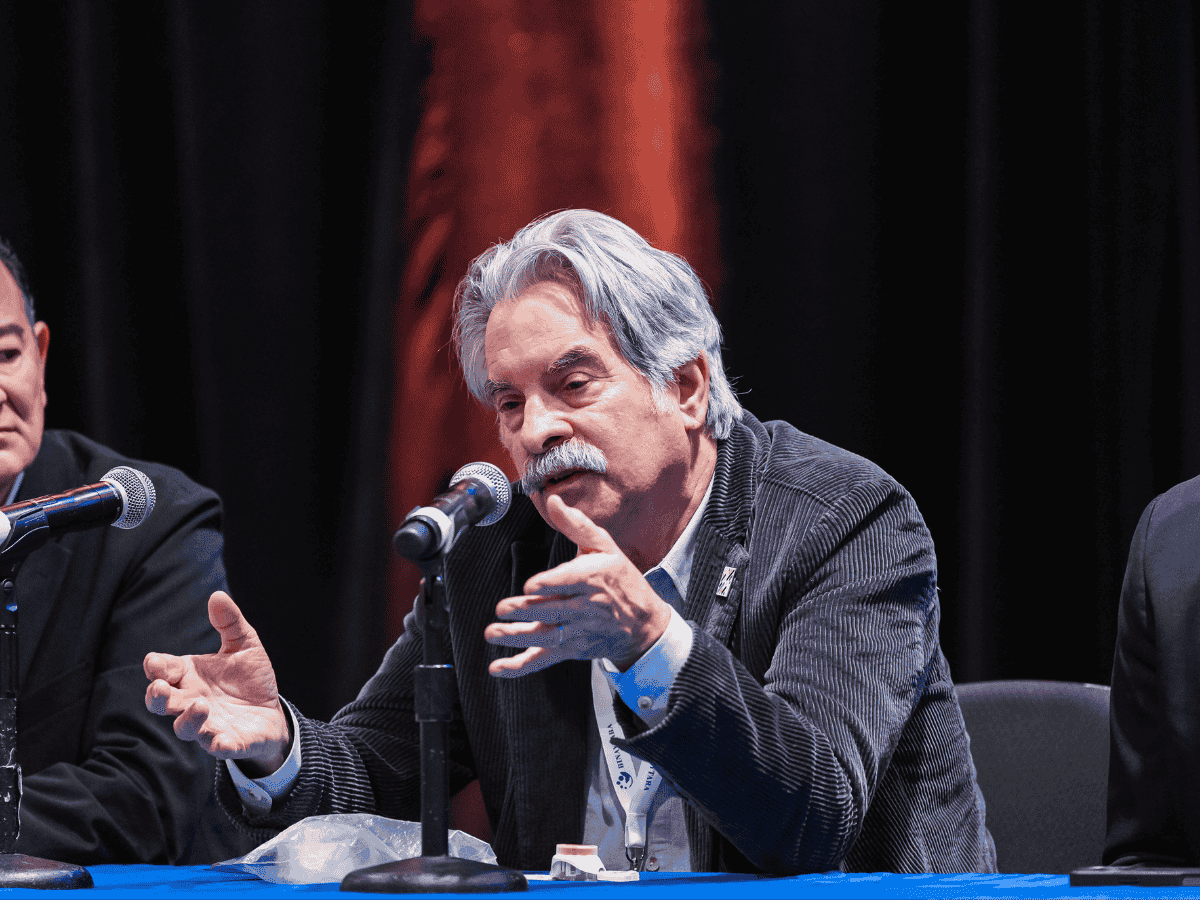
Dr. Jerald Radich, medical oncologist at Fred Hutchinson Cancer Center and professor at the University of Washington School of Medicine, brought a translational research lens to Binaytara’s Impact Pitch at SCHD26. His focus on diagnostics, monitoring, and practical solutions for underserved communities reflects the conference’s mission to advance cancer health equity through actionable research.
How Curiosity Shapes Dr. Jerald Radich’s Role in the Impact Pitch
Einstein said, "I have no special talent. I am only passionately curious. The important thing is not to stop questioning." This philosophy echoes in Dr. Jerry Radich’s approach to Binaytara’s first-ever Impact Pitch. The research-forward oncologist describes his unique niche as a Catalyst in one word: “Curious.”
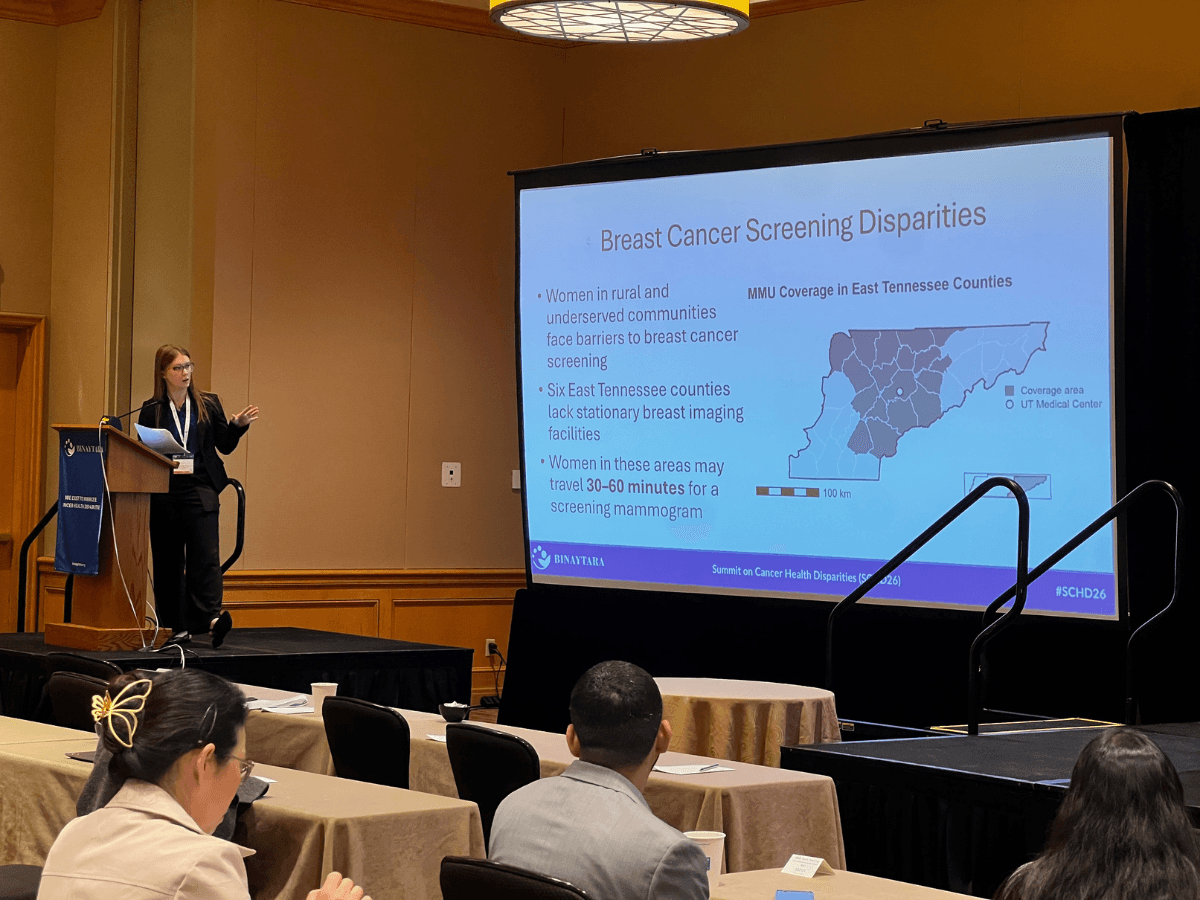
The Summit on Cancer Health Disparities (SCHD26) was on March 27th and 28th. Oncologists, nurses, pharmacists, researchers, and health policy leaders will congregate in Bellevue, Washington, creating a robust research forum that will move the dial on cancer health equity.
What the SCHD26 Impact Pitch Means for Cancer Equity Research
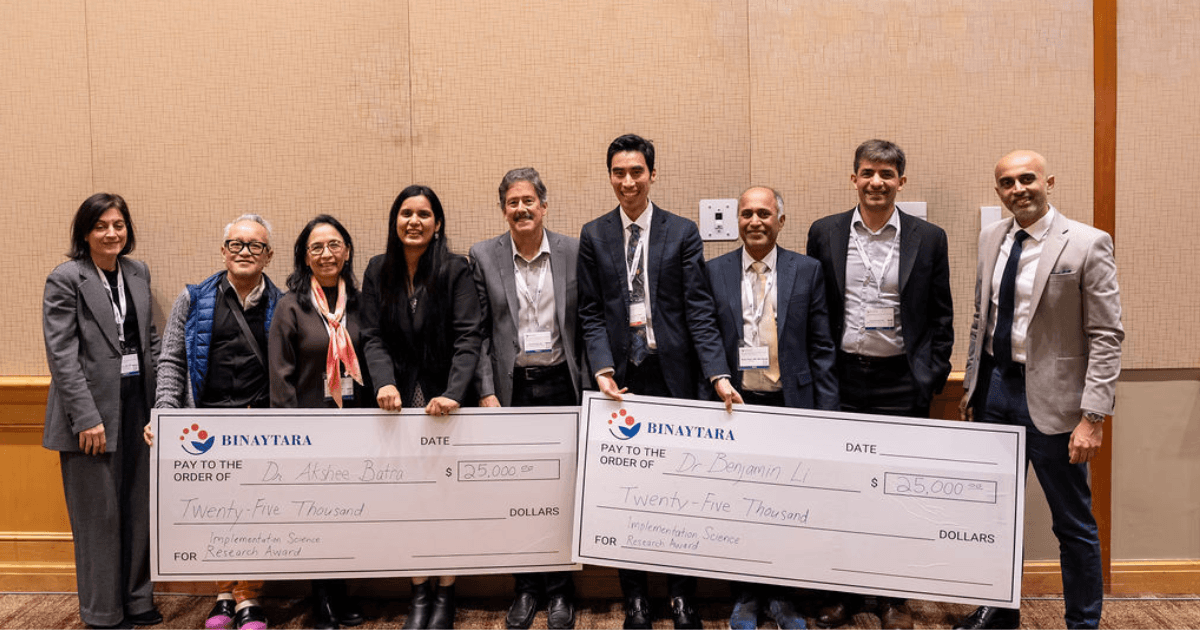
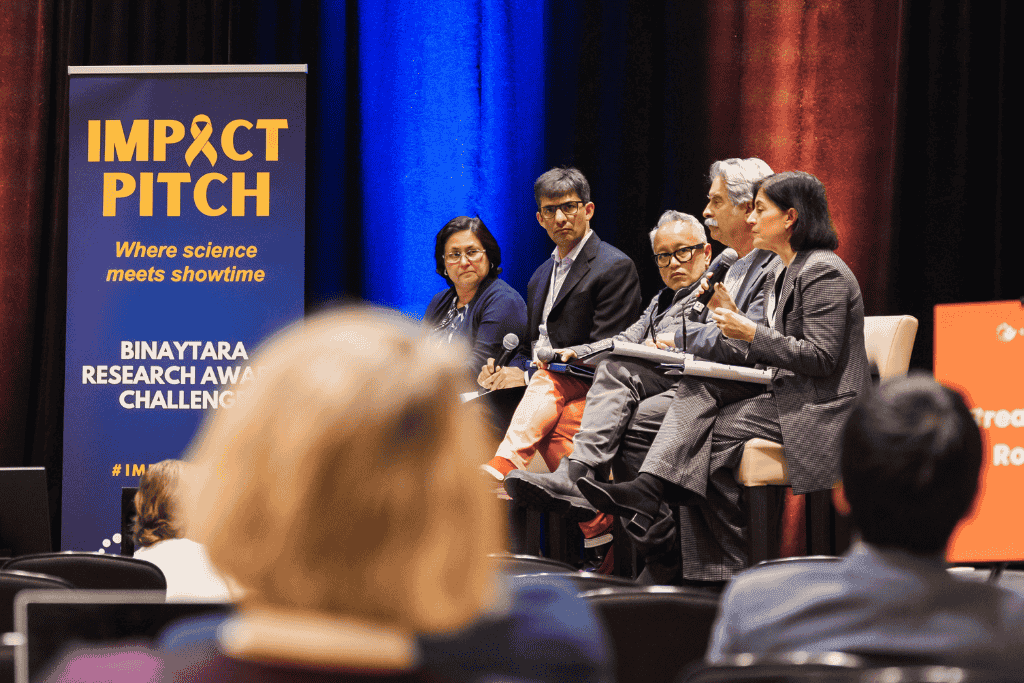
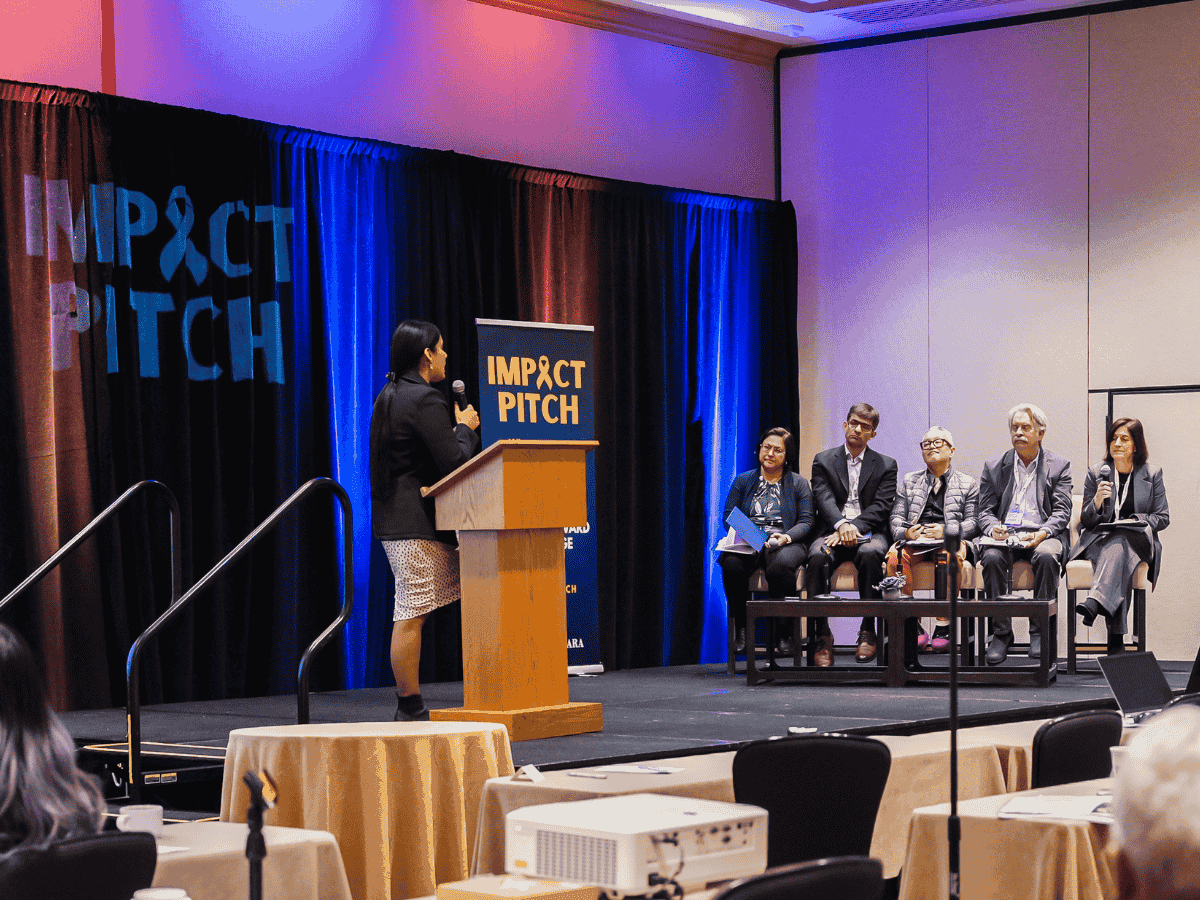
A cornerstone event in the two-day Summit is the Impact Pitch—a Shark Tank-style research presentation where innovators pitch their cancer equity-oriented research ideas to a panel of expert reviewers. These reviewers, the Catalysts, ultimately decided which presenters left SCHD26 with Binaytara’s Implementation Science Research Award of up to $25,000 per awardee. The Catalysts help determine the direction of cancer equity research and innovation.
Read here about the winners: Dr. Benjamin Li and Dr. Akshee Batra.
The stakes were high—but the team is up to the task. Hailing from top hematology and oncology programs across the United States, the SCHD26 Catalysts each brought their unique research interests and specialties to the Impact Pitch judge panel. Read more about this year’s Catalysts here.
Meet Dr. Jerald Radich of Fred Hutchinson Cancer Center
One close-to-home Catalyst is Dr. Jerald Radich. Dr. Radich is a medical oncologist at Washington’s own Fred Hutchinson Cancer Center, where he holds the Kurt Enslein Endowed Chairship, and a professor at the University of Washington School of Medicine. He runs the Molecular Oncology Lab at Fred Hutch, which performs genetic tests for chronic myeloid leukemia (CML) and acute myeloid leukemia (AML). Another research lab Dr. Radich oversees is developing cheap molecular diagnostic assays—disease tests, simply put—for resource-poor areas, among other core laboratory focuses.
Dr. Radich’s hematology work sits at the intersection of scientific rigor and health equity. In other words, this Catalyst embodies the very spirit of the Impact Pitch. From his transformative work at the lab bench, Dr. Radich plans to bring to the Impact Pitch a two-step approach to bridging the gap in cancer health disparities. To this Catalyst, it’s important to first “identify an actionable gap in diagnostics” and then come up with “a creative way to fill it.”
Which challenges most need solutions? And how effectively does a proposed solution address that challenge? These questions guided Dr. Radich’s allocation of the Binaytara Implementation Science Research Awards.
A Translational Lens: Why Translational Research Matters in Cancer Health Equity
Dr. Radich’s work and his priorities in the Impact Pitch go hand in hand: they both champion translational research and medicine. Sometimes called “bench-to-bedside” (in reference to the laboratory bench where research occurs), translational medicine is concerned with how health solutions will actually be implemented and transform patient care. The Implementation Science Research Awards are named in tribute to this very field. Dr. Radich’s lab initiative on low-cost molecular diagnostic tests for low-resource areas is one example of bridging a health disparity—because cutting-edge research that certain marginalized populations can’t afford only benefits a select few. It’s no surprise that Dr. Radich was most excited about SCHD26 projects that will tackle “diagnostics and monitoring response.”
Whether a finalist became a recipient of an Implementation Science Research Award or was a runner up, one thing is for sure: Impact Pitch presenters left SCHD26 with their research having been sharpened t by this expert Catalyst’s guiding questions and feedback.
Submit to the Next Impact Pitch in Hematologic Cancers
If you’re an early-career hematology researcher, consider submitting an abstract proposal to Binaytara’s forthcoming National Summit on Hematologic Cancers, where the Impact Pitch will return—this time tied to the Shaju Kumar Hematology Research Awards of up to $50,000 per awardee.
Frequently Asked Questions About Dr. Jerald Radich and the SCHD26 Impact Pitch
1. Who is Dr. Jerald Radich?
Dr. Jerald Radich is a medical oncologist at Fred Hutchinson Cancer Center and a professor at the University of Washington School of Medicine. He specializes in molecular oncology and leads research focused on leukemia diagnostics and low-cost testing solutions.
2. What is the Impact Pitch at SCHD26?
The Impact Pitch is a Shark Tank-style research competition at the Summit on Cancer Health Disparities (SCHD26), where early-career researchers present cancer equity-focused ideas to a panel of expert reviewers known as Catalysts.
3. What role did Dr. Radich play in the Impact Pitch?
Dr. Radich served as a Catalyst, evaluating research proposals, providing feedback, and helping determine recipients of the Binaytara Implementation Science Research Awards.
4. What are the Implementation Science Research Awards?
These awards provide up to $25,000 in funding to support research projects that focus on practical, real-world solutions to cancer health disparities, particularly in underserved populations.
5. What is translational research in cancer care?
Translational research, often described as “bench-to-bedside,” focuses on turning scientific discoveries into practical treatments and healthcare solutions that directly improve patient outcomes.
6. Why are diagnostics important in cancer health equity?
Access to timely and affordable diagnostics is critical for early detection and treatment. Gaps in diagnostic access can worsen disparities, especially in low-resource or underserved communities.
7. What kind of research does Dr. Radich prioritize?
Dr. Radich emphasizes research that identifies actionable gaps in cancer care—especially in diagnostics and disease monitoring—and proposes feasible, scalable solutions.
8. How does the Impact Pitch support early-career researchers?
It provides a platform for researchers to present ideas, receive expert feedback, and compete for funding, helping refine their work and accelerate its real-world impact.
9. Will the Impact Pitch return in future events?
Yes, the Impact Pitch will return at Binaytara’s upcoming National Summit on Hematologic Cancers, where participants can compete for the Shaju Kumar Hematology Research Awards.
10. How can researchers participate in future Impact Pitch events?
Early-career researchers can submit abstracts to upcoming Binaytara conferences. Selected participants may be invited to present at the Impact Pitch and compete for research funding.
Recommended Articles
Shark Tank for Cancer Research Returns: Binaytara's Impact Pitch Will Award $250K for Hematology Research
Learn more