Peeking Behind the Curtain: What (and Who) Made SCHD Tick?
Author
Ariana Sutherland
Binaytara
Communications Assistant
Behind the Scenes of SCHD26: What Made the Summit on Cancer Health Disparities a Success
What does it take to deliver a world-class global oncology conference? Go behind the scenes of SCHD26 to explore how Binaytara’s team coordinated logistics, innovation, and collaboration to advance cancer health equity worldwide.
Key Takeaways: SCHD26 and the Future of Cancer Health Equity
- SCHD26 marked a milestone year for global oncology collaboration. The 2026 Summit on Cancer Health Disparities achieved record attendance, hosted 22 expert-led sessions, and introduced innovative programming like the Impact Pitch.
- Behind every successful medical conference is year-long planning. From venue coordination and speaker recruitment to logistics and CME programming, SCHD26 required over a year of cross-team preparation.
- Innovation expanded the conference’s global reach. Features like international Zoom presenters, semi-automated session recording, and the debut Impact Pitch enabled broader accessibility and engagement.
- Real-time problem-solving ensured seamless delivery. Despite last-minute challenges, the team adapted quickly, maintaining a smooth attendee experience across both conference days and the gala.
- Attendee satisfaction reflected the event’s success. Positive feedback highlighted meaningful discussions, strong organization, and the conference’s impact on advancing equitable cancer care.
- The work continues beyond the event. Planning for the 2027 Summit is already underway, reinforcing Binaytara’s long-term commitment to global oncology and health equity.
SCHD26 Overview: A Landmark Year for Global Oncology Collaboration
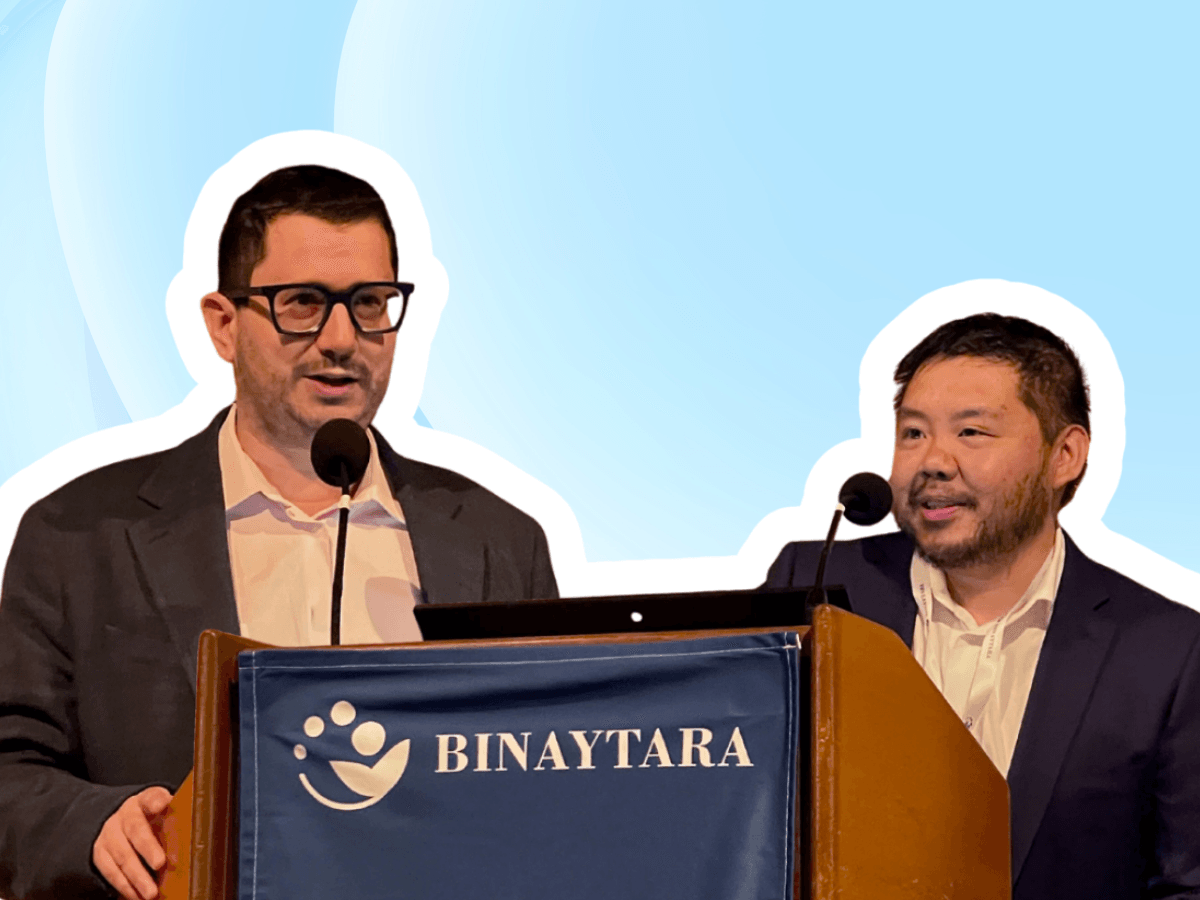
From a distance, the broad strokes of the 2026 Summit on Cancer Health Disparities (SCHD26) paint a glamourous picture. Binaytara’s flagship conference saw its highest attendance in history, hosted the first-ever Impact Pitch to enormous success, and comprised a staggering 22 disparities-focused sessions led by top health equity stakeholders. Bisecting the conference’s two-day runtime, the Binaytara Annual Gala saw attendees swap their business casual attire for suits and gowns for an elegant evening of global oncology programming.
By all accounts, the weekend was an enormous success—for cancer health equity, for the oncology research community, and for global oncology initiatives. But what goes into an event of this scope?
As is so often the case, the behind-the-scenes was a little less glamorous than what went on in the spotlight—but it’s thanks to that not-so-visible effort that SCHD26 was able to accomplish its enormous aims without a hitch. What’s behind the SCHD26 curtain?
Planning SCHD26: The Year-Long Process Behind a Global Oncology Conference
Seasoned event planners may not be surprised to learn that SCHD26-magnitude events aren’t built in a day. “With SCHD26, something like that is planned out over a year in advance,” Audrey Kerby, Binaytara Education Programs and Meeting Logistics Assistant and SCHD26 co-lead, explained.
For example, if you want to convene the top disparities researchers and oncologists in the field, the first thing you need is a venue.
“We were the logistics managers,” Kavi Fix, Assistant Manager of Meetings and Events, said of himself and Nafiso Bakar, Education Programs and Meeting Logistics Coordinator. “So we contracted the venue ahead of time. We do all the meeting spaces, the layouts, the food and beverage—the rooming list, that’s us as well. Flights, accommodations; people have to know about parking, the layout…”
The list, impossibly, goes on.
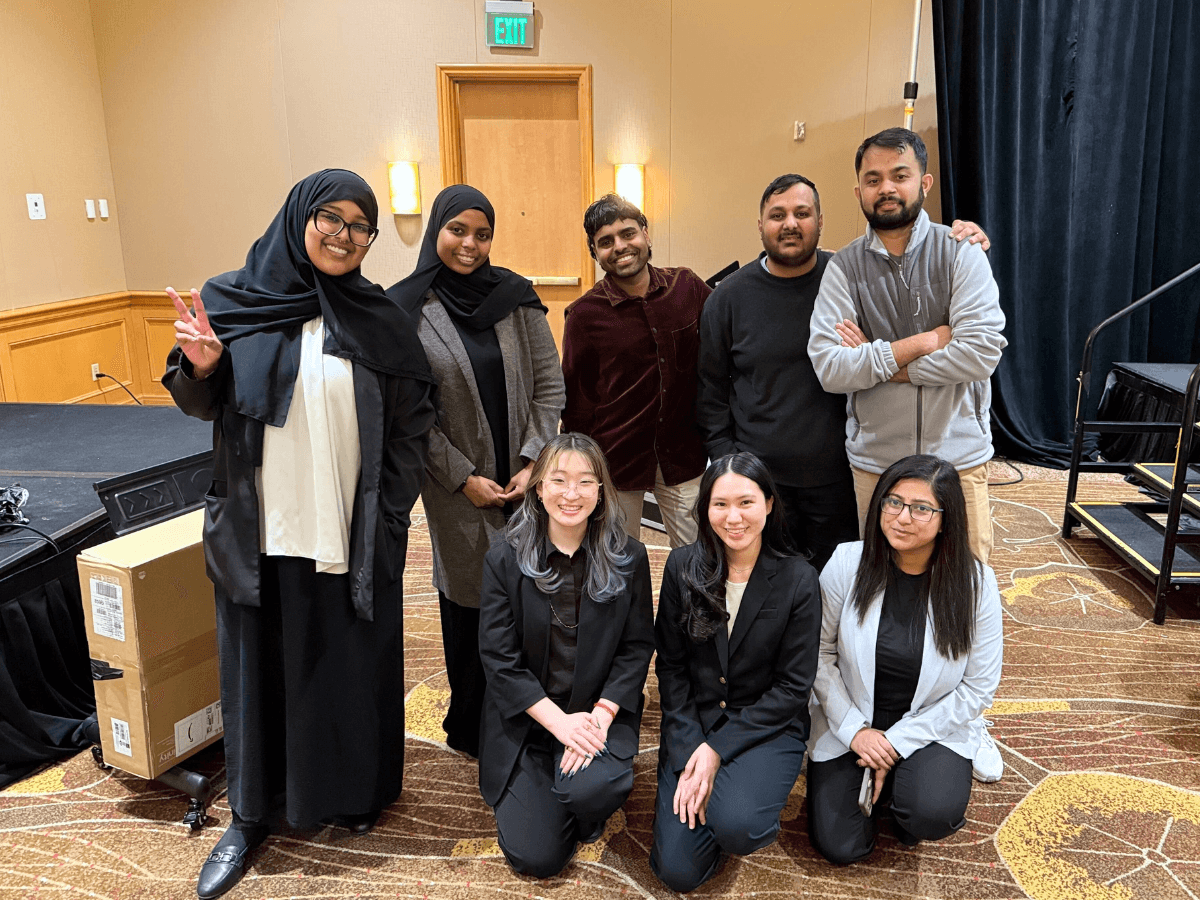
With Kavi and Nafiso heading up logistics—the where, when, and how of the conference—Audrey and the CME team, including Hemanta Neupane, tackled the who and the what. “We do the planning meetings, the material, the preparation, running it onsite, and then post-conference tasks,” Audrey said.
A year goes by quickly. In the weeks leading up to SCHD26, all the pieces that had been secured now had to fall into place—or, more accurately, be painstakingly and precisely moved into place in a vast, coordinated effort. Teamwork was crucial.
“It can get challenging at times, working with multiple teams,” Nafiso said; “making sure everyone’s aligned. But it worked out well, and I feel like everyone was active, so we didn’t run into any issues.”
Inside SCHD26: Logistics, Innovation, and Real-Time Problem Solving
The first day of SCHD26 was Friday, March 27th. The CME and Logistics teams—along with other hands-on supporters—arrived early to check attendees in. “Really early to really late,” Audrey said. “That’s how it is.”
“I was kind of a handyman,” Suyog Kadel, Informatics and Technology Specialist, said. “Doing all of the things that I could do.” Much of the Binaytara team undertook similar all-encompassing roles in their conference support.
This year, SCHD26 saw some exciting new features that helped expand its scope: international presenters called in over Zoom, displayed on a large projector screen; semi-automated cameras filmed each of the main sessions; and, of course, the first-of-its-kind, Shark Tank-style Impact Pitch made its debut, tied to $50,000 in award money. There wasn’t tried-and-true precedent to fall back on, so the SCHD26 team had to rely on hard work and creative problem-solving. “Things will just crop up,” Audrey said. “Especially with all the new things we were trying to do, nobody knew that we needed this paper printed out, or these questions prepared. It was a lot of last-minute adjustments that we needed to make happen. It was just a lot happening at the same time.”
As sessions went on, the SCHD26 team continued to man the check-in desk, set up rooms for sessions to come, and put out crops of inevitable little fires before they could spread. As the Gala neared, they pivoted, setting up the music, decor, projectors, and sound components so the evening could transition seamlessly.
The second day of the conference came and passed in the same way, supported by hands-on effort and the invisible power of a year’s worth of planning. And as the conference ended, with closing remarks that looked eagerly ahead to next year’s Summit in 2027, the Binaytara team began to clean and pack away the visible remnants of SCHD26. The global oncology meeting venue melted, miraculously, back into Bellevue’s Hyatt Regency hotel.
“A vital platform:” When SCHD26 Thrives, Health Equity Thrives
The secret, then, isn’t very secret: SCHD26 happens through hard work. It involves inevitable stress, time investment, and meticulous organization. But when it’s a labor of love, the outcome is worth it. “It was really rewarding to see that everything that we envisioned came together with no issues,” Nafiso said.
“Everyone was really happy with the space,” Kavi agreed. “The meeting went well. People were super happy to be attending it. That was great for us… how happy everyone was with it.”
“Even the night before, you’re stressed,” Audrey recalled. “But then it’s the day of, and once things are in motion, it’s like, okay: we just ride it out. It’s rewarding to see things happen. With the Impact Pitch—for that one, a lot of people had big expectations. They had visions for it. And I think it turned out really closely to how people imagined it would be, which is not always the case. That was just really satisfying, to see it turn out so well.”
The SCHD26 team aimed high, and the conference delivered on all fronts. Attendees took to social media to share their thoughts on the weekend—Dr. Manish Kohli praised the “timely and meaningful discussion” that shaped the Summit, which Dr. Jasmine Kamboj echoed: “Stellar discussions on inequities on various levels in cancer care. We need to continue to strive to do better for our patients!”
“A heartfelt thank you to the entire Binaytara team for creating this vital platform dedicated to advancing health equity in cancer care,” Dr. Wade Swenson said on LinkedIn. “I’m inspired by [Binaytara’s] global work and by my dedicated rural oncologist colleagues who show up every day for patients in underserved areas.”
It’s truly thanks to an enormous, coordinated act of teamwork that the 2026 Summit on Cancer Health Disparities was the biggest and most impactful yet.
And on that high note, SCHD26 comes to a close—for some. Next year’s conference is only a year away, and cancer health disparities persist: it’s time for the team to dive back in.
Frequently Asked Questions About the Summit on Cancer Health Disparities 2026 (SCHD26)
What is SCHD26?
SCHD26 is the 2026 Summit on Cancer Health Disparities, a global oncology conference focused on addressing inequities in cancer care through research, collaboration, and education.
Who organizes the Summit on Cancer Health Disparities?
The conference is organized by Binaytara, a nonprofit dedicated to advancing global oncology education and improving health equity.
What is the Impact Pitch at SCHD26?
The Impact Pitch is a Shark Tank-style session where participants present innovative ideas to address cancer health disparities, aiming to drive real-world solutions and investment.
How long does it take to plan a conference like SCHD26?
Planning typically begins over a year in advance and involves venue booking, speaker coordination, logistics management, accreditation preparation, and on-site execution.
What topics were covered at SCHD26?
The summit focused on cancer health disparities, global oncology, rural and underserved patient care, and strategies to improve equitable access to treatment and outcomes.
How does SCHD26 support global oncology efforts?
By bringing together researchers, clinicians, and stakeholders from around the world, SCHD26 fosters collaboration, shares best practices, and promotes scalable solutions for underserved populations.
What impact did SCHD26 have on attendees?
Attendees reported high satisfaction, citing meaningful discussions, valuable networking opportunities, and actionable insights to improve cancer care equity.
Will there be another Summit on Cancer Health Disparities?
Yes, the next summit is already in planning for 2027, continuing the mission to advance health equity in cancer care.
Recommended Articles
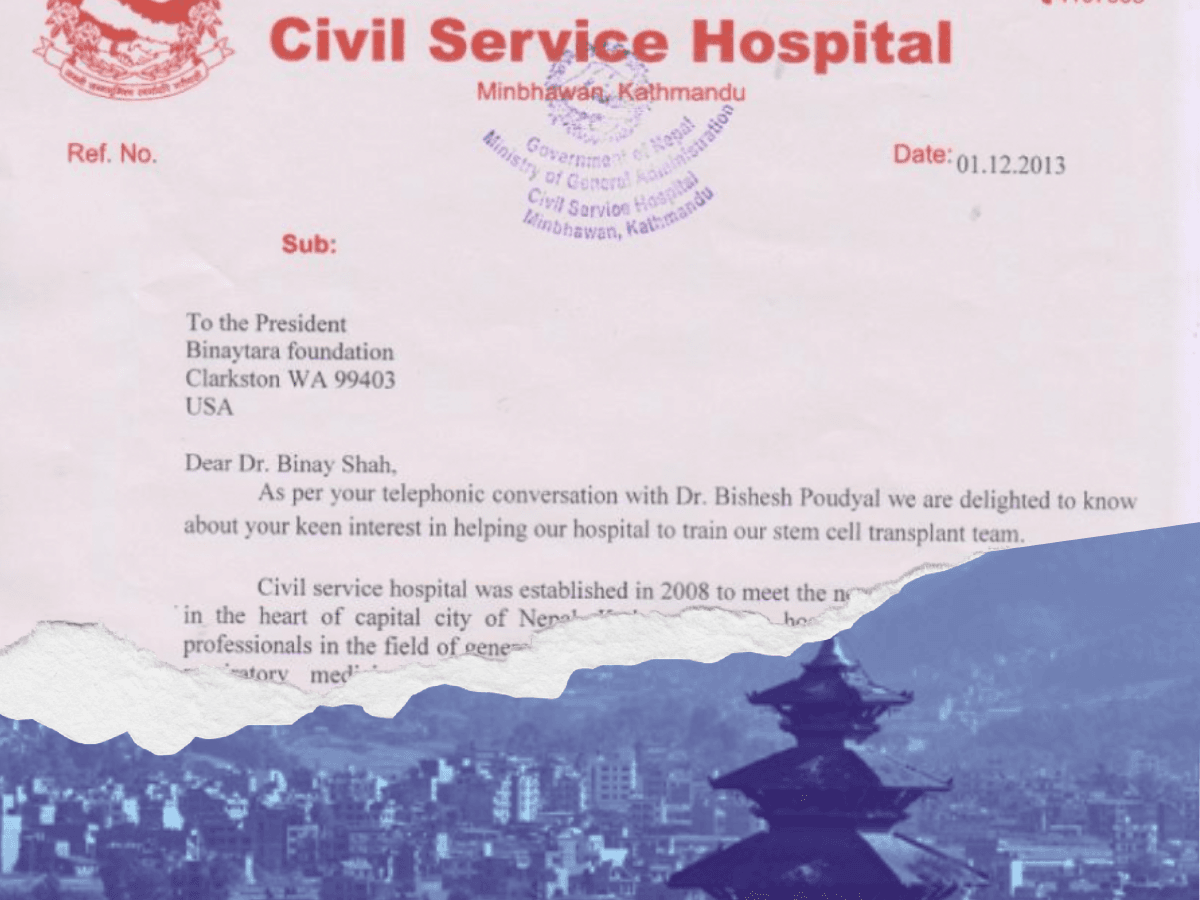
Lessons Learned on the 10-Year Anniversary of Establishing Nepal’s First Bone Marrow Transplant Center
Learn more