5 Reasons Hematology Professionals Are Heading to Nashville in October 2026
Author
Binaytara Team
The National Summit on Hematologic Cancers: More Than a Conference
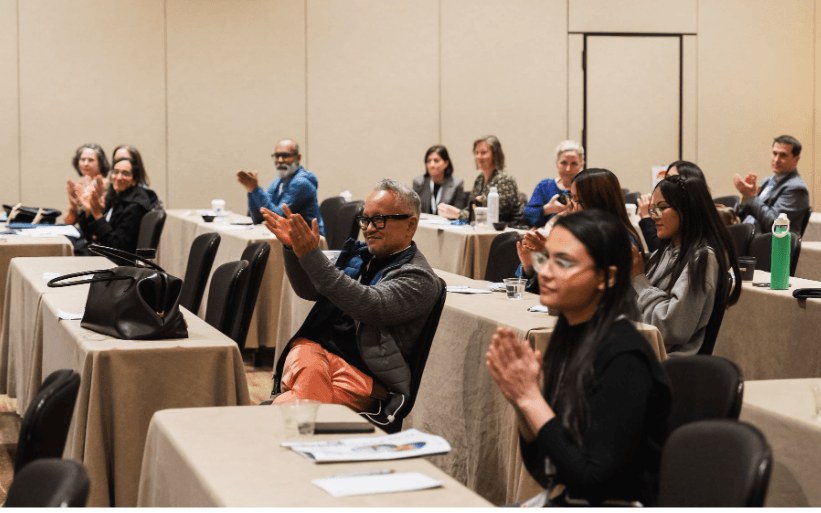
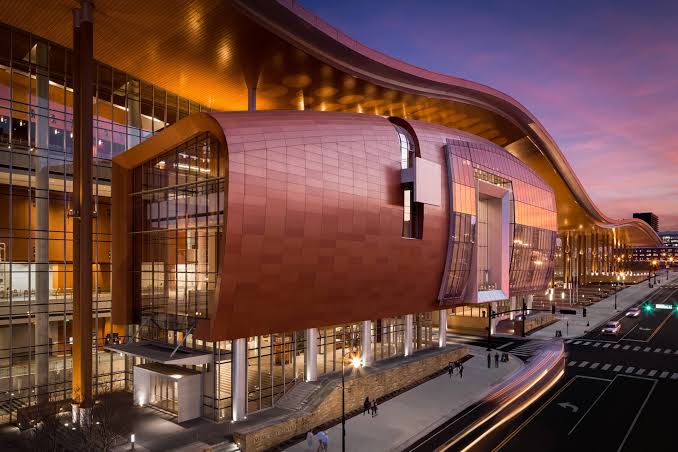
This October, Tennessee will be host to Binaytara’s National Summit on Hematologic Cancers, bringing hematologists from across the United States to Music City Center. While far from the only hematology conference in October 2026, the Summit is making waves in the community. From a high-stakes research award to the AI in Hematology Plenary, the Summit has a host of draws for the research-minded hematologist. And for those with a clinical focus, the Summit aims to improve practice with a novel format designed to shed light on the biggest clinical questions in hematology.
Early-career hematology investigators and seasoned hematologists alike are making Nashville their destination this fall. What will Music City have to offer them?
1. Grey Zone Case Discussions You Can’t Get at Other CME Events
Clinicians know that textbook cases are rare. Too often, hematologic malignancies are malign in their own ways, and next steps are made uncertain by never-before-encountered clinical context. The National Summit on Hematologic Cancers Planning Committee calls this the “Gray Zone,” and it’s at the center of the Nashville oncology conference. In this novel, highly interactive format, sessions will center on clinical cases where optimal management is unclear. Expert panelists, clinician moderators, and participants will engage in open discussion to move toward practical solutions. Is it possible to put together a “Gray Zone” hematology playbook? Probably not—but patient outcomes will certainly improve in the expert perspectives that emerge.
2. The $50,000 Shaji Kumar Research Award Live Pitch Session
Two seldom-related groups will find common ground at the National Summit on Hematologic Cancers: early-career hematology investigators and enjoyers of business-oriented reality television. For the first camp, the Shaji Kumar Hematology Research Awards—$250,000 in total funding, realized as multiple $50,000 and $25,000 awards—target early-career hematology faculty and fellows (read the full eligibility criteria here). The Awards will be disseminated to the winners of the Impact Pitch, a research pitching challenge that tests participants’ research communication skills and investigational acumen. In other words, the Impact Pitch is where science meets showtime—a Shark Tank-style session that will shape the next generation of hematology research through real-time expert mentorship, with significant seed money attached. Impact Pitch participants are selected from top submitted abstracts before the deadline of August 15th. Submissions are reviewed on a rolling basis.
3. AI in Hematology Plenary Featuring Aziz Nazha
Healthcare delivery is one of the most exciting use cases for AI. But where exactly AI comes in, what it looks like, and where we need to diagnose drawbacks and introduce guardrails—that’s less than concrete. Led by Thomas Jefferson University’s Dr. Aziz Nazha, the National Summit on Hematologic Cancers’ AI Plenary will parse the hype to nail down the what and the how of AI in hematology, asking: Where Are We Now, and Where Are We Going? From pathology to MRD to clinical decision-making, AI is already advancing hematology practice. And on the horizon: AI-accelerated drug development, trial design, and the “living drug” autopilot. Questions or concerns? The floor will open up for a targeted discussion and Q&A.
4. CAR-T Resistance Deep-Dive with Sattva Neelapu
The “Gray Zone” can strike even the buzziest cellular therapy of the last decade: CAR-T. University of Texas MD Anderson Cancer Center hematologist Dr. Sattva Neelapu, one the founding figures of CD19 CAR-T cell therapy and principal investigator of the pivotal ZUMA-1 trial, is leading the conversation. The session takes it as a given that CAR-T can and does fail: antigen escape, resistance, and relapse are all possible outcomes, and establishing a playbook for when that happens—that starts before it happens—is the surest way to make sure CAR-T lives up to its revolutionary promise. Plus, don’t miss the closing panel discussion: Tough Questions, Real Decisions.
5. Music City: An Emerging Hematology Hub?
Nashville is known for many things: music, eponymously; also hot chicken and full-scale replicas of Greek architecture. But the field of hematologic malignancies is establishing deep roots in the Athens of the South. Vanderbilt’s robust Malignant Hematology and Stem Cell Transplantation division is training the next generation of Tennessee hematologists. Tennessee Oncology, one of the largest community-based cancer care specialists in the nation, is celebrating half a century of patient care. Sarah Cannon Cancer Network, which is integrating services and cutting-edge technologies into its affiliated hospitals, has a strong presence on the National Summit on Hematologic Cancers Planning Committee—Sarah Cannon Physician-in-Chief of Blood Cancers Dr. Navneet Majhail is one of four conference co-chairs.
With such a strong hematology and oncology presence, an oncology conference in Nashville promises to feature some of the biggest names and institutions in the field—a boon for those looking to network.
Your Road to Nashville
Registration is now open for the National Summit on Hematologic Cancers. Whether you’re looking to be in the audience for the Shark Tank-style Impact Pitch, onstage vying for a $50,000 or $25,000 hematology research award, networking with peers and mentors, or benefitting from interactive sessions informed by the latest breaking hematology data—the Summit is a worthy destination this October. Submit your abstract by August 15th for the chance to compete in the Impact Pitch, publish your research in the International Journal of Cancer Care and Delivery, or present at the conference; or, register today to learn from expert insights, case studies, and interactive discussions.