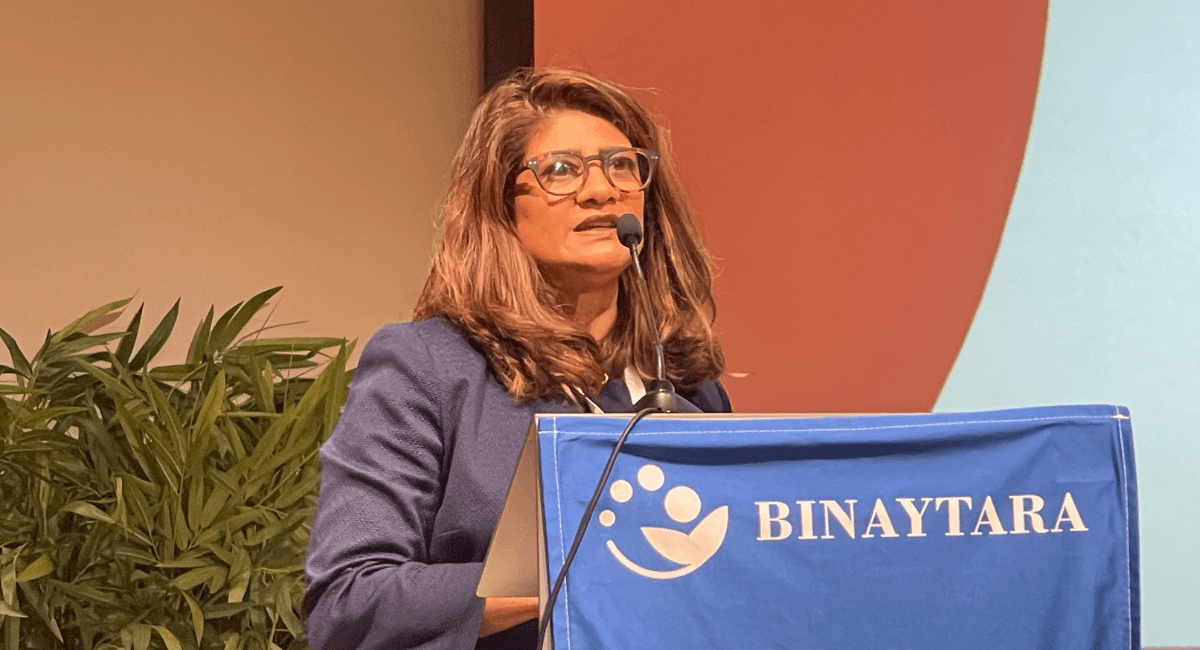
Dr. Binay Shah Contributes to Article Published in Nature Health About Improving Nepal Healthcare System

Author
Binaytara Team
Nepal stands at a consequential moment in its history. Following youth-led protests in September 2025, the country held elections in March 2026 that delivered a parliamentary majority to the reform-oriented Rastriya Swatantra Party and a new prime minister. For health advocates, policymakers, and global oncology researchers, the question is urgent: will this political opening translate into the structural improvements that Nepal’s health system has long needed?
New research published July 2 in Nature Health argues that it can, and lays out a concrete, evidence-based agenda for how. The paper, “Nepal’s political transition creates an opportunity for health system reform,” is co-authored by Dr. Binay Shah, President and Co-Founder of Binaytara, alongside researchers from UCLA, Memorial Sloan Kettering Cancer Center, Harvard University, and the Medical College of Wisconsin. It is available at https://www.nature.com/articles/s44360-026-00161-7.
The Stakes: A Health System Under Pressure
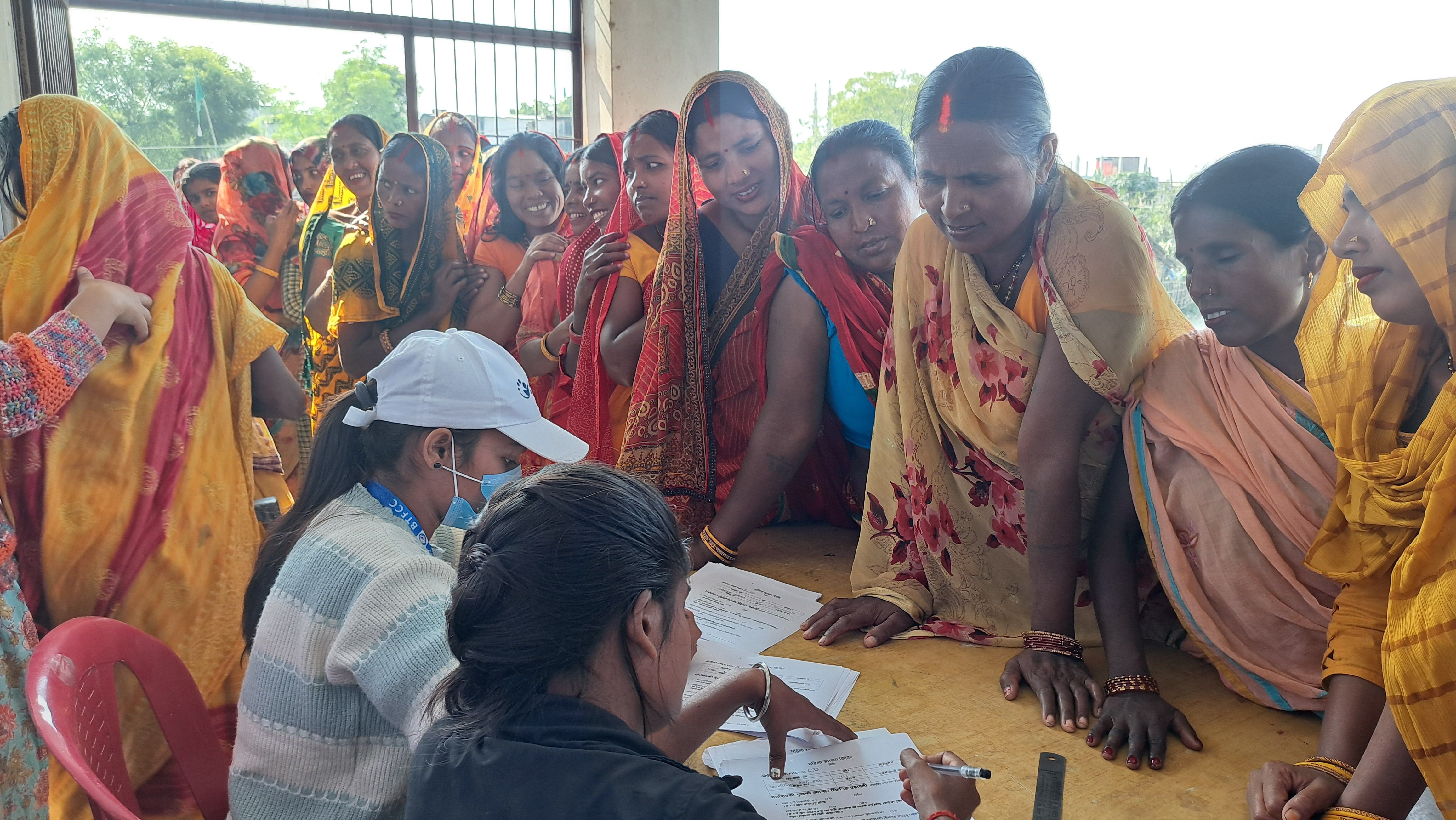
The numbers in the paper are stark. Non-communicable diseases, including cancer, cardiovascular disease, and chronic respiratory illness, now account for roughly 71 percent of all deaths in Nepal. Out-of-pocket spending represents nearly 60 percent of total health expenditure, one of the highest rates in South Asia. For families facing a cancer diagnosis, the financial consequences are often dire: one national study found that up to 96.9 percent of households undergoing cancer treatment experience catastrophic health expenditure.
Treatment capacity has not kept pace with rising need. Nepal operates fewer than 10 radiotherapy machines for a population of nearly 30 million, far below international benchmarks. Many patients present at tertiary hospitals with advanced-stage disease, limiting treatment options and contributing to high mortality. Population-based cancer registries cover only nine of Nepal’s 77 districts, constraining the national surveillance data that policymakers need to plan effectively.
“When families in Nepal are forced to choose between cancer treatment and economic survival, that is a systems failure we can address,” said Dr. Shah. “The evidence in this paper points clearly toward solutions: expanding access to early diagnosis, strengthening financial protection for families facing serious illness, and building the cancer care infrastructure that Nepalis deserve. This is precisely why Binaytara exists: to ensure that geography and economic circumstance are never the determinants of who receives quality oncology care.”
A Phased Reform Agenda
The paper organizes its recommendations across three time horizons.
In the near term, the authors call for stabilizing Nepal’s national health insurance program, which had enrolled 8.29 million individuals by fiscal year 2023/24 but has been hampered by reimbursement delays and inconsistent provider participation. Clearing backlogs and standardizing provider contracts would improve both access and public confidence. The authors also recommend launching a national initiative to reduce stock-outs of essential medicines, a persistent problem driven by fragmented procurement systems, and strengthening tobacco control enforcement, given that approximately 28.9 percent of Nepali adults use tobacco products and the country’s tobacco tax rate falls well below the World Health Organization’s recommended threshold.
Over the medium term, the paper calls for expanding primary care readiness for non-communicable diseases, developing regional diagnostic hubs, and strengthening disease registries. On cervical cancer specifically, the authors note that Nepal lacks a fully integrated national HPV vaccination program and that current screening coverage through visual inspection remains limited. Expanding both would represent one of the highest-impact investments Nepal could make.
Longer term, the paper argues for a national radiotherapy expansion strategy, broader specialist training, and integration of palliative care into the health system. It also recommends a federal health performance compact linking national budget transfers to measurable service readiness indicators, a mechanism to align federal, provincial, and local government action around shared health goals.
Why This Research Matters
The publication in Nature Health is significant not only for its policy recommendations but for what it reflects about the role of rigorous, implementation-focused research in driving real-world health system change. As the Binaytara Cancer Research Institute grows its research agenda, implementation science sits at the core of that work: translating evidence into policy and policy into practice, particularly in low- and middle-income settings where the gap between what is known and what is delivered can cost lives.
“Research like this is what moves the needle,” said Dr. Shah. “It maps a clear path from where Nepal’s health system is today to where it needs to be. That kind of actionable, evidence-based roadmap is what governments, funders, and health leaders can actually use.”
Dr. James Fan Wu, a hematologist and oncologist at the Medical College of Wisconsin and corresponding author on the paper, said the timing of the research reflects a deliberate effort to connect clinical evidence with policy action. “Nepal has a rare opportunity to translate political change into lasting improvements in health,” said Dr. Wu. “Reforming the health system now could improve the lives of millions while serving as a model for other countries undergoing similar transitions.”
Binaytara congratulates lead author Emma Ruoyi Zhang of UCLA and co-authors Dr. Edward Christopher Dee of Memorial Sloan Kettering Cancer Center, Stephanie Wang of Harvard University, and Dr. James Fan Wu of the Medical College of Wisconsin. Their collaborative scholarship reflects the kind of cross-institutional, global health research partnership that meaningful reform demands. Binaytara also thanks Nature Health for its commitment to raising the visibility of health systems research in lower-middle-income countries, where the stakes for patients are highest and the policy opportunities are most urgent.
Key Insights: Challenges and Solutions
CHALLENGE:
Non-communicable diseases account for roughly 71 percent of all deaths in Nepal, yet the health system remains largely structured around infectious disease management.
SOLUTION:
Expand primary care readiness for NCDs through standardized treatment protocols and task-shifting strategies that extend care into rural communities.
CHALLENGE:
Nearly 60 percent of total health expenditure in Nepal comes out of pocket, one of the highest rates in South Asia.
SOLUTION:
Stabilize the national health insurance program through reimbursement reform, standardized provider contracts, and stronger claims analytics to expand coverage and rebuild public confidence.
CHALLENGE:
Nepal operates fewer than 10 radiotherapy machines for a population of nearly 30 million, far below international benchmarks.
SOLUTION:
Implement a national radiotherapy expansion strategy that includes upgrading existing facilities, establishing equipment maintenance contracts, and growing the specialist workforce in radiation oncology and medical physics.
CHALLENGE:
Population-based cancer registries cover only nine of Nepal’s 77 districts, limiting the data policymakers need to plan effectively.
SOLUTION:
Expand national health information systems and strengthen disease registries across all regions as a medium-term priority.
CHALLENGE:
Nepal lacks a fully integrated national HPV vaccination program, and cervical cancer screening coverage through visual inspection remains limited.
SOLUTION:
Expand HPV vaccination and organized screening programs, representing one of the highest-impact investments the new government could make in women’s cancer prevention.
CHALLENGE:
Tobacco use affects approximately 28.9 percent of Nepali adults, and Nepal’s tobacco tax rate sits well below the WHO-recommended level of 75 percent of retail price.
SOLUTION:
Strengthen fiscal tobacco controls, expand smoke-free policy enforcement, and restrict tobacco advertising as immediate near-term priorities.
The full article is available at:
https://www.nature.com/articles/s44360-026-00161-7
(DOI: 10.1038/s44360-026-00161-7)
Recommended Articles

Binaytara Receives Record Number of Abstract Submissions for Its Hematology Summit
Learn more