How to Evaluate a Donation to Global Cancer Care: What Binaytara Is Working to Change

Author
Binaytara Team
Key takeaways
- Binaytara works to minimize cancer health disparities through patient care, education, advocacy, and implementation-science research.
- Its programs combine direct services with efforts to strengthen local healthcare capacity.
- In Nepal, this includes cancer screening, treatment services, workforce development, and plans for expanded cancer-care infrastructure.
- Its work also extends to oncology education and healthcare partnerships in Nigeria.
- Donors can review Binaytara's annual reports, audited financial statements, and IRS filings to assess its activities and financial accountability.
For donors who want to help close gaps in cancer care, the important questions go beyond where an organization works. They include what it does, what progress it can demonstrate, how it works with local communities and health systems, and how transparently it reports its results.
Cancer care is not equally accessible everywhere. A person’s chances of receiving an early diagnosis, finding an appropriate treatment, or accessing trained specialists can depend heavily on where they live and what resources their health system has available.
Addressing those disparities takes more than a single intervention. It requires healthcare infrastructure, trained professionals, access to screening and treatment, research that helps evidence-based care reach more patients, and sustained collaboration with the communities and institutions providing that care.
These are the challenges Binaytara works to address. Binaytara is a nonprofit organization focused on improving access to cancer care, advancing oncology education, and supporting implementation-science research. Its work spans direct patient services, healthcare workforce development, advocacy, and efforts to strengthen cancer-care systems.
For donors considering an investment in global cancer care, here is a closer look at the problem Binaytara is working to solve, the approach it takes, and the evidence donors can use to evaluate its work.
Why access to cancer care matters
A cancer diagnosis is difficult under any circumstances. But the barriers patients face can be compounded when diagnostic services, treatment facilities, trained specialists, or financial support are limited.
In underserved regions, patients may need to travel long distances for care. They may encounter delays in diagnosis, limited treatment options, or costs that place care beyond their reach. Healthcare professionals may also lack access to the continuing education, specialized training, and clinical resources needed to deliver the best available care.
These challenges are connected. Expanding access to treatment matters, but so does building the local capacity to diagnose cancer earlier, care for patients safely, and sustain services over time.
There is no single solution. Effective efforts to reduce cancer disparities must respond to the needs of the communities they serve.
What does Binaytara do?
Binaytara’s work brings together four connected areas: cancer-care infrastructure and services, education and workforce development, advocacy, and research.
1. Expanding access to cancer care
The need for accessible care is especially important in regions where patients have historically faced long journeys and other barriers to reaching specialized services. That’s why Binaytara established a cancer-care facility serving patients in Madhesh Province, a rural southern province in Nepal, in 2018. Now focused on general health as the project prepares to expand, the clinic historically provided services including cancer screening, chemotherapy, blood transfusions, and more.
The 25-bed facility served over 100 unique patients in 2025, with many receiving subsidized or free treatment. But the need in this region outstrips the capabilities of the current infrastructure, and the nonprofit is setting out to build a comprehensive, 250-bed hospital. In 2026, Binaytara received several key architectural approvals and passed preparatory milestones in the construction process. On the construction side, the previously rugged road leading up to the hospital’s ground is now evened out and laid with gravel, laying the groundwork for an accessible facility. The Binaytara Cancer Hospital project also received Environmental Impact Assessment (EIA) approval from the Nepali government in May 2026.
2. Reaching women with screening and support
Cervical cancer prevention and early detection are an important part of Binaytara’s work in Nepal.
Screening programs can only succeed when women can access them, understand their options, and feel comfortable participating. That means addressing practical barriers as well as concerns related to privacy, stigma, awareness, and trust.
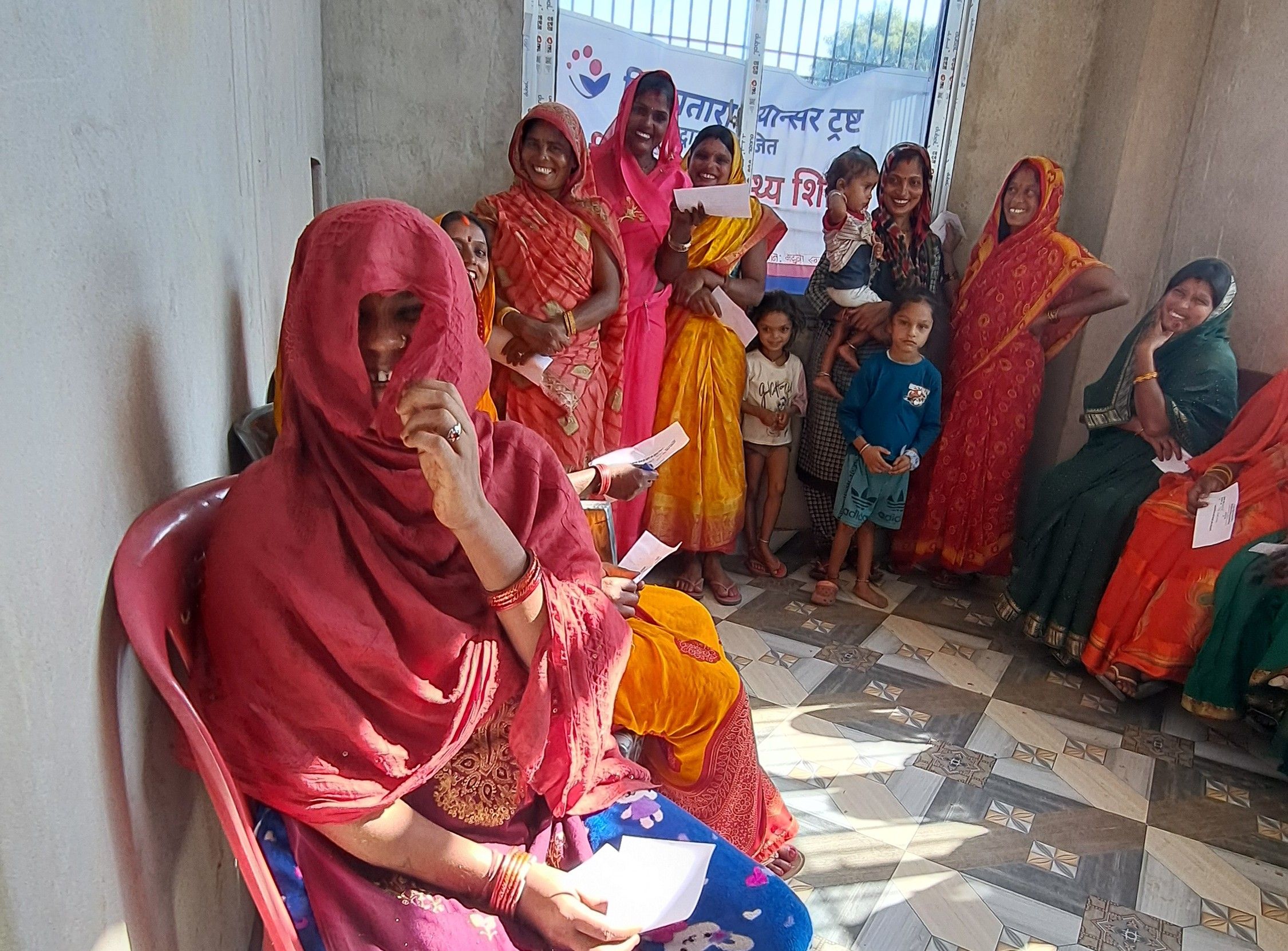
Binaytara’s work has included community-based screening and engagement, alongside efforts to strengthen the knowledge and capacity of local health workers. This work takes the form of mobile, free, HPV-based cervical cancer screening camps around Madhesh Province—with plans to expand to other underserved areas. The December 2025 cervical cancer screening camps served over 270 women, 97% of whom were receiving screening for the first time in their lives.
12% tested positive for high-risk HPV infection (the kind that is responsible for over 90% of cervical cancer cases when untreated, but highly treatable when caught early). These women were referred for followup. The impact lay in the details: program staff used isothermal HPV assays, a low-cost, same-day, scalable technology. They also utilized the local expertise of Female Community Health Volunteers (FCHVs), Nepal’s grassroots health network, which allowed Binaytara to offer culturally-tailored care.
The goal is not simply to offer a screening opportunity. It is to help build a pathway through which women can make informed decisions and access appropriate follow-up care.
3. Strengthening the healthcare workforce
Access to cancer care depends on the people delivering it.
Binaytara supports continuing medical education and professional development for oncology and hematology professionals. Through conferences, educational programs, digital learning, and clinical training, the organization works to make current medical knowledge more accessible to healthcare professionals.
Its education work also extends beyond the United States. In Nepal, for example, Binaytara has supported ongoing training for local healthcare staff and collaboration between clinicians in Nepal and oncology experts elsewhere. Plus, the International Cancer Congress, which convened in October 2026 for the eighth time in Janakpur, Nepal, brings a new caliber of scientific meeting to the area, providing new opportunities for the scientific community in Nepal and India.
Due to the support of Binaytara’s industry partners, very little—if any—individual gift funds go towards Binaytara’s sixty-plus educational conferences within the United States. The vast majority of donations go towards global cancer care, research, and advocacy programming.
4. Supporting research, advocacy, and better care delivery
Research can produce important discoveries, but those discoveries do not automatically become part of everyday patient care.
Implementation science examines how evidence-based practices can be adopted and sustained in real-world healthcare settings. Binaytara’s research work is intended to help address that gap, while its advocacy efforts seek to improve the policies and systems that shape access to cancer care. The nonprofit’s research arm, the Binaytara Cancer Research Institute (BCRI) is finding implementation-ready solutions for the biggest equity gaps in global cancer care.
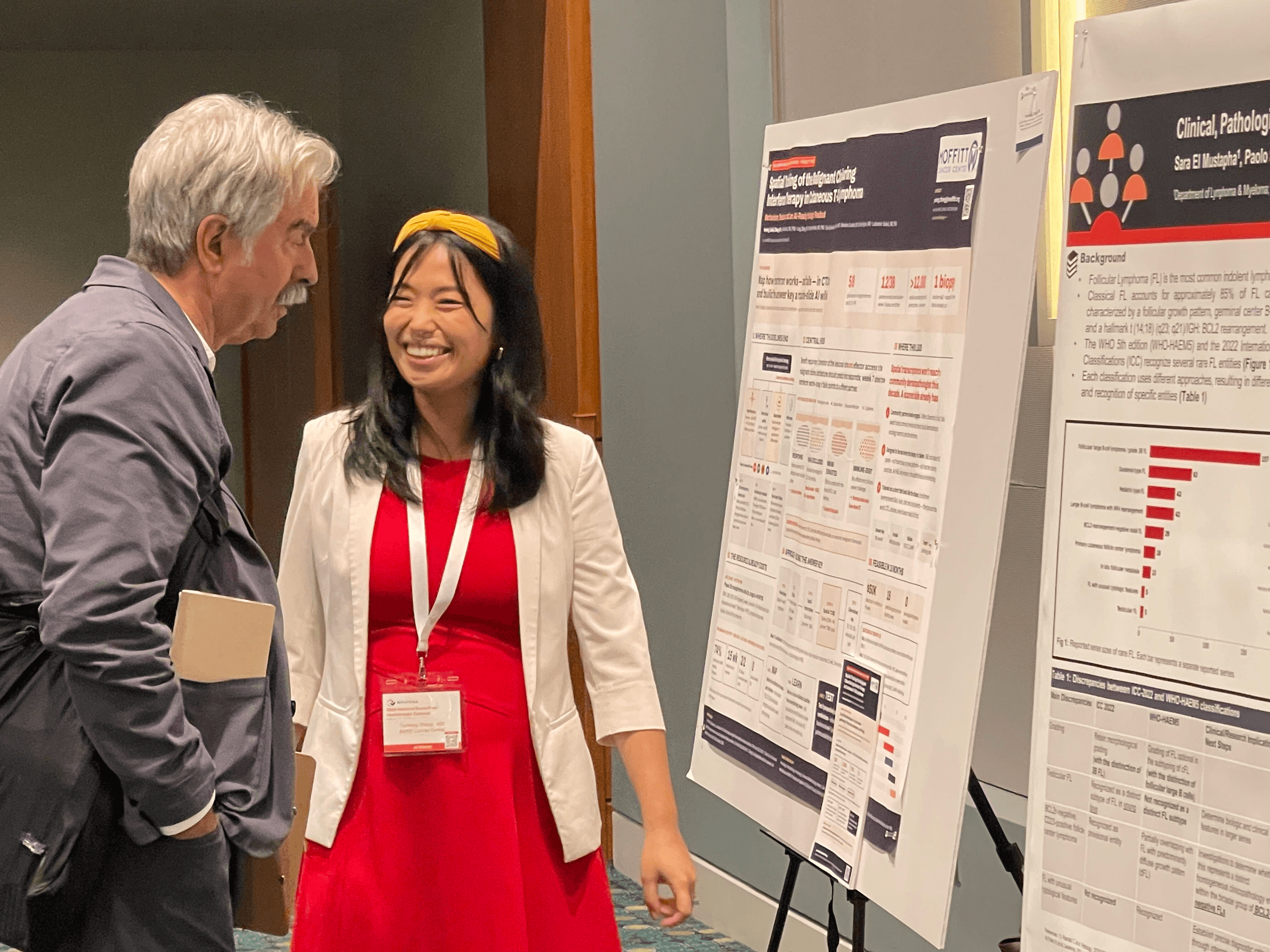
This year, BCRI presented at the 2026 ASCO Annual Meeting, and published papers in journals like Cancer Epidemiology, Nature Health, and the Journal of Clinical Oncology. Lead Implementation Science Research Officer Jin Mou, MD, PhD, most recently published a scoping review of the efficacy of isothermal nucleic acid amplification-based HPV assays for cervical cancer screening in low- and middle-income countries—the test used at Binaytara’s own screening camps. The researchers found the test to be affordable, accessible, and scalable, offering a roadmap for other screening initiatives. A forthcoming manuscript will outline the success of the recent FCHV training in Janakpur, in which 36 women were given targeted training in cervical health and health communications.
These publications join several early-stage research projects in areas of patient advocacy, patient care, and clinician education.
Binaytara has also expanded its global oncology work through a partnership with Federal Medical Center Ebute Metta in Nigeria. In early 2026, the nonprofit sent the Lagos hospital three crucial pieces of oncology equipment: an infusion pump, a syringe pump, and a chemotherapy hood (also known as a biosafety cabinet).
How does Binaytara approach long-term impact?
A cancer-care program cannot be evaluated only by the number of services delivered in a single year. Donors should also ask whether an organization is helping strengthen the people, systems, and partnerships that make care more accessible over time.
Binaytara describes its approach as one that combines infrastructure development, workforce training, access to care, and strategic partnerships with local institutions and healthcare stakeholders.
That approach is important because sustainable cancer care requires more than bringing a service into a community. It requires the capacity to deliver that service reliably, adapt it to local needs, and connect patients with appropriate care. For example, Binaytara has held a series of oncology nurse training sessions for personnel in Nepal and Nigeria, led by credentialed United States-based nurses. The most recent was led by Yvonne Bossert, DNP, MSN, RN.
How can donors evaluate Binaytara’s accountability?
Donors should be able to examine not only an organization’s mission and program descriptions, but also its financial reporting and evidence of results.
Binaytara makes annual reports, audited financial statements, and IRS Forms 990 available through its website.
Its public reporting also makes clear what each impact figure represents: the reporting period, how the number was collected, whether it counts unique people or total encounters, and whether the result is an output or an outcome.
For example, the number of patients served is a useful measure of service delivery. It does not, by itself, demonstrate improved survival or establish the cost-effectiveness of a particular intervention. Those questions require different evidence.
We believe transparency means being clear about both progress and the work that remains.
Where can a donation make a difference?
Donations help support the work required to expand access to cancer care: patient services, screening and outreach, research, and the development of stronger cancer-care infrastructure.
Binaytara’s current funding priorities include building the comprehensive, 250-bed hospital in Jankpur; implementation science research; and our flagship cervical cancer screening camps. Gifts are unrestricted, and portions of donations may go toward these or other programs.
For donors interested in global cancer care, the central question is not whether one organization can solve every part of the problem. It is whether the organization has a credible approach, works responsibly with the people and institutions closest to the need, can demonstrate meaningful progress, and is transparent about its results.
Binaytara’s work is one effort to meet that challenge—by connecting patient care with education, research, advocacy, and the development of stronger healthcare systems.
Explore Binaytara’s programs, annual reports, and financial information to learn more.
--
[Explore Our Programs]
[Read the Latest Annual Report]
[View Financials and Transparency]
[Support Binaytara]
---
Frequently Asked Questions about Binaytara
What does Binaytara do?
Binaytara is a global oncology nonprofit. Where over 70% of cancer deaths occur in low- and middle-income countries, Binaytara works to close gaps in cancer care access through building cancer care centers, advocacy, research, and education.
Where does Binaytara work?
Binaytara works in nearly every single U.S. state through its oncology and hematology educational meetings. It has a health clinic in Nepal that also serves patients in Northern India, and a partner hospital in Lagos, Nigeria.
How does Binaytara help improve access to cancer care?
Through improving cancer care infrastructure, advocacy, research, and education. Many of these areas overlap. For example, Binaytara translated its cervical cancer screening program into research data, which helped improve its educational meetings.
What makes Binaytara's approach to global cancer care different?
Binaytara’s comprehensive, infrastructure-first approach is tailored for lasting change that lifts up entire communities.
Are donations to Binaytara tax-deductible?
Yes. Binaytara is a 501(c)(3) non-profit organization (Tax ID: 26-1603676), and contributions are tax-deductible to the extent allowed by law.
How can I support Binaytara's work?
Giving a gift is one of the best ways you can support Binaytara’s long-term vision for better cancer care in Janakpur, Nepal, an area that is currently underserved.
Recommended Articles

Moving Mountains for Cancer Health Equity: Dispatches from Annapurna Base Camp
Learn More