A Reason-to-Believe Moment: Investing in Women, Transforming Communities

Author
Binaytara Team
A Reason-to-Believe Moment: Investing in Women, Transforming Communities
In Nepal's Madhesh Province, only 8% of women have ever been screened for cervical cancer — a disease that is largely preventable. The Margaret Rowley Clarke Family Foundation is partnering with Binaytara to change that, funding expanded mobile health camps, community health volunteer training, and self-administered HPV testing for 1,000 women and girls in one of the country's most underserved regions.
A Global Health Partnership
The Margaret Rowley Clarke Family Foundation has invested in Binaytara’s HPV global health initiative in Nepal to expand its scope and deepen its impact. For Meghan Clarke, Co-Chair of the Foundation's Board of Directors, the decision reflects a belief in women's health, global oncology, and community-led solutions capable of creating lasting change. "When we invest in women, we change far more than individual health outcomes," Clarke said. "We change families, communities, and future generations. What drew me to this project is that it doesn't stop at access to care. It creates agency, dignity, and choice for women who have historically had very little of any of those."
"We can change the health of entire communities by centering on women's health, and particularly women's sexual health, which nobody wants to talk about. It's not just entry-level access. It's real and substantive, and it's bringing the highest level of technology and medical advances into communities that otherwise might never have access to them."
A Story Without Heroes: Connections in Global Oncology
The Foundation's Spring 2026 partnership with Binaytara marks a follow-on philanthropic investment in Binaytara's self-administered HPV program after a successful 2025 pilot in Janakpur, Nepal.
The roots of the partnership run deeper. The Margaret Rowley Clarke Family Foundation first connected with Binaytara through another partner organization, The Rose International Fund for Children (TRIFC). TRIFC collaborated with Binaytara to support implementation of an ostomy program at the Binaytara Health Clinic, providing both lifesaving and quality-of-life-saving care for cancer patients. The impact of that work became what Clarke describes as a "reason-to-believe moment."
"I'm not interested in funding good intentions," Clarke said. "I'm interested in supporting approaches that demonstrate impact and can be sustained long after we're gone. What I saw in Binaytara's work was a reason-to-believe moment. The outcomes were real, the relationships were real, and the model was rooted in the community itself.
Now, Clarke says, "I want to watch how this story unfolds." That story begins in Nepal's Madhesh Province, where only 8% of women have ever been screened for cervical cancer and where an intended universal HPV vaccination effort left nearly 30% of eligible girls unvaccinated. Because cervical cancer is largely preventable through screening and vaccination, those gaps create significant disparities in access to lifesaving care.
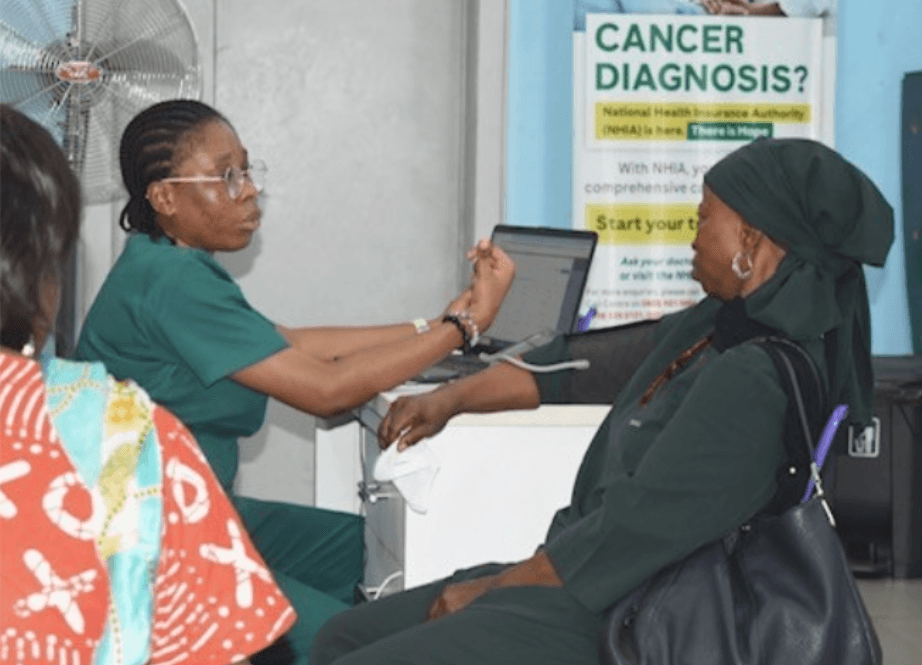
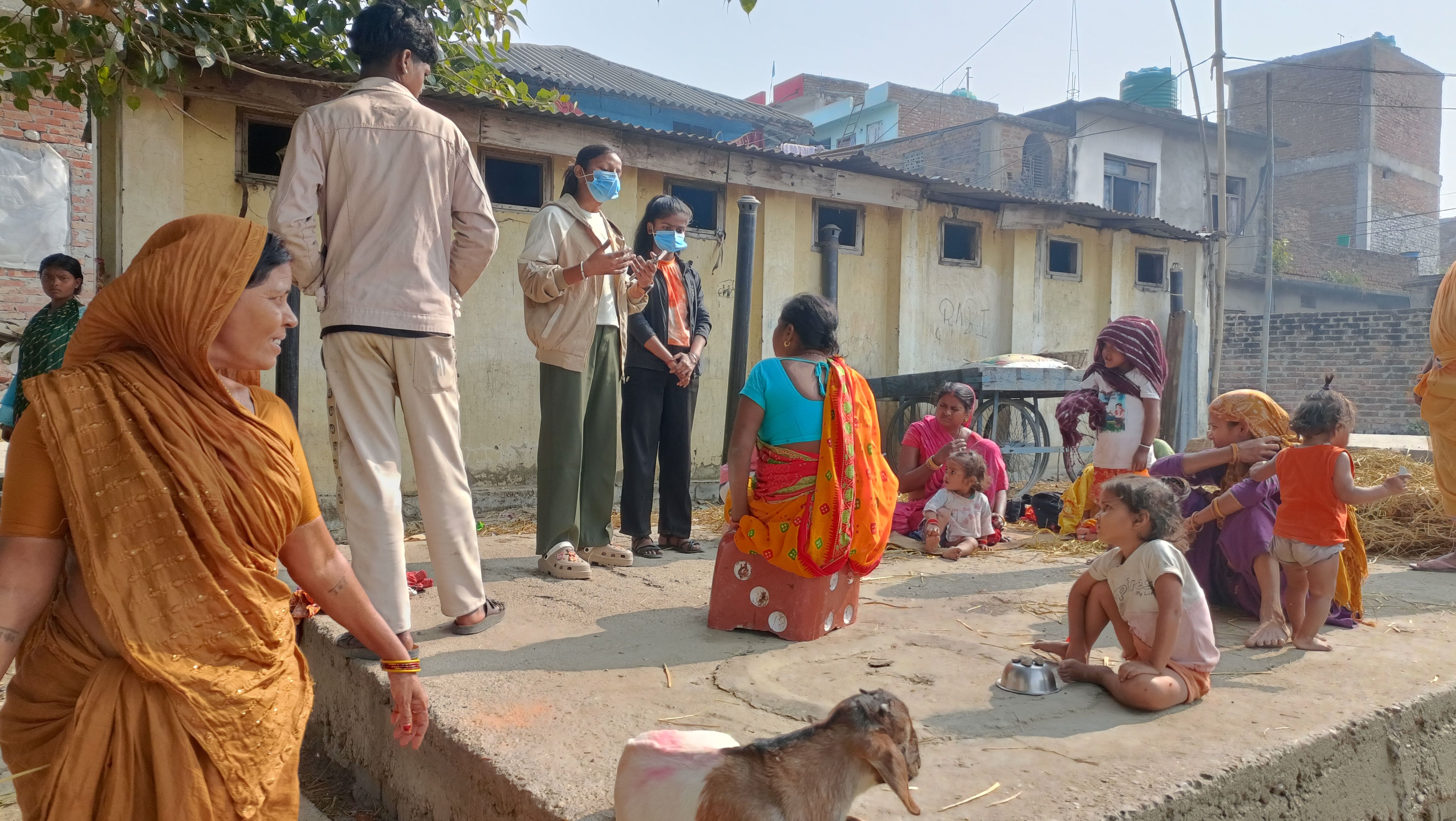
The Margaret Rowley Clarke Family Foundation's support will allow Binaytara to expand its mobile health camps, increasing access to screening and follow-up care for rural communities. Through the initiative, approximately 1,000 women and girls will gain access to HPV screening and early detection services.
A key component of the model is the Female Community Healthcare Volunteer (FCHV) program. Foundation funding will support the training of additional FCHVs, local women who combine basic healthcare training with deep community relationships and cultural understanding to improve participation, trust, and follow-up care.
Again, a reason-to-believe moment.
"What's important to me is that we invest in women and invest in sustainability at the same time," Clarke said. "When women are healthy, feeding their families, participating in their communities, and making informed decisions about their lives, the impact doesn't stop with them. We're creating conditions that can benefit seven generations ahead." HPV is common throughout the world, Clarke notes, but access to information, screening, and treatment is not.
"I think when women feel like they have agency over their own health and can start making decisions and having different choices, then we've transformed the community," she said. "We can come in, treat the disease, and improve the numbers. But what happens when we're gone? If we haven't addressed the root cause, those same challenges return. The real opportunity is helping communities create lasting change for themselves."
Following the Golden Thread
Clarke describes herself as someone who has spent much of her career exploring what allows communities to thrive.
Early in her professional life, she traveled throughout the United States designing and facilitating community reconciliation initiatives in places experiencing significant division and disruption. Experiences like working with New England fishing communities navigating environmental collapse when the fish were gone, left a lasting impression. "Those experiences taught me that each of us has agency in co-creating our communities," Clarke said.
That insight became a guiding principle in her work and ultimately informs her interest in women's global health. "Throughout my career, whether I was working on community reconciliation projects in the United States or supporting women's health initiatives halfway around the world, I've been looking for the same thing: the conditions that allow communities to thrive," she said. "For me, women's health is one of those conditions. When women have agency, information, and access, entire communities become more resilient."
"So if we can create opportunities that destigmatize things like HPV and cancer, we can literally change the trajectory of entire communities. And if we can do it by investing in women and women's health, it's going to change everything. For me, that's the golden thread. That's what I'm always looking for."
Toward Cancer Health Equity in Nepal
"Cancer doesn't discriminate by economics, race, or geography," Clarke said. "If there are solutions, let's get them to the people who need them." The Foundation's partnership will support implementation of Binaytara's self-administered HPV testing initiative, which outperformed national screening benchmarks during the pilot phase, the training of additional Female Community Healthcare Volunteers, and follow-up treatment capacity.
"This partnership with Binaytara and the Margaret Rowley Clarke Family Foundation sits at the intersection of so much that matters to me," Clarke said. "Women's health. Access. Dignity. Community empowerment. Global impact. And the belief that lasting change happens when people are equipped to become agents of change within their own communities."
Meghan Clarke Bio
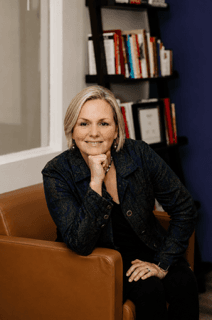
Meghan Clarke serves as Co-Chair of the Board of Directors for the Margaret Rowley Clarke Family Foundation, where she helps guide philanthropic investments focused on women's health, education, community wellbeing, and sustainable impact.
She is also Founder and Principal of M E Clarke Consulting and has spent more than two decades helping leaders, organizations, and communities navigate complex change. Early in her career, she designed and facilitated community reconciliation initiatives throughout the United States, experiences that shaped her enduring belief that meaningful change happens when people are empowered to strengthen the communities they call home.
Today, Meghan is particularly drawn to initiatives that increase agency, dignity, and opportunity, especially for women and underserved communities.