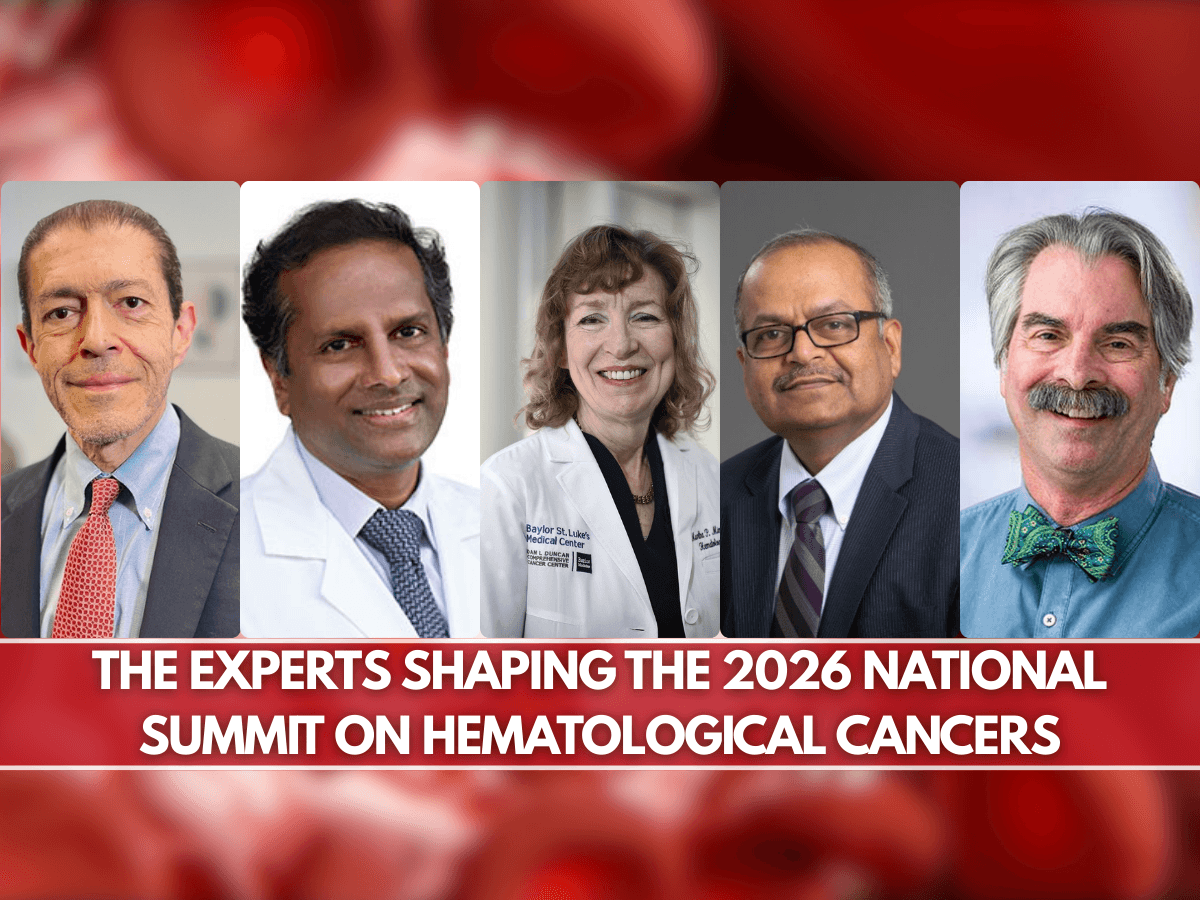
The Experts Shaping the 2026 National Summit on Hematological Cancers: Introducing Our Abstract and Scientific Review Committee

Author
Binaytara Team
Meet the Experts Leading the 2026 Hematological Cancers Summit Scientific Review Committee
The 2026 National Summit on Hematological Cancers brings together world-renowned experts to advance research and care in blood cancers. Meet the distinguished Abstract and Scientific Review Committee shaping this year’s scientific program.
Overview of the 2026 National Summit on Hematological Cancers
Binaytara's National Summit on Hematological Cancers is back in the music city, Nashville, Tennessee, for its annual meeting. Taking place on October 16, 2026, this summit is a continuing medical education event that brings together experts in hematologic malignancies to deliver a comprehensive review of current standards of care and the latest therapeutic advances. The spotlight falls squarely on blood cancers as the conference program addresses the evolving management of leukemia, myeloproliferative neoplasms, multiple myeloma, and lymphoma.
Last year's attendees left calling it one of the most insightful and rewarding experiences of their year. This year's meeting goes even further with the introduction of the Impact Pitch, stellar abstract presentations, and the leadership of nationally recognized researchers and faculty. These leaders will serve as stewards of the conference, guiding educational content, judging abstracts, and critiquing pitches for research funding. It is a landmark event that seeks to educate, entertain, and accelerate promising research ideas with monetary awards.
Meet the Abstracts and Scientific Review Committee
The abstracts and scientific review committee chairs are responsible for evaluating submitted abstracts and research proposals for the Impact Pitch: Binaytara Research Award Challenge. The committee is composed of exceptional faculty members who are at the forefront of hematological research.
Jorge Cortes, MD – Advancing Leukemia Research and Drug Development
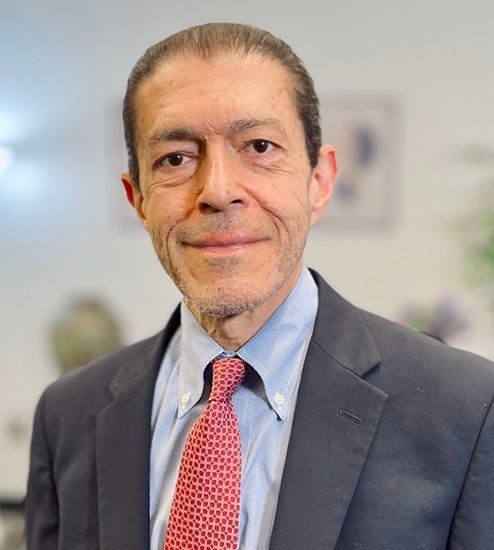
Dr. Jorges E. Cortes is Chief of Hematology at the University of Alabama at Birmingham; Deputy Director at O’Neal Cancer Center at UAB; President, International CML Foundation; and Editor-in-Chief, Blood Global Hematology. He has spearheaded or been principal investigator on 230+ grants and contracts and played a central role in developing multiple leukemia therapies approved by the U.S. Food and Drug Administration (FDA). Dr. Cortes has authored over 1,200 peer‑reviewed research manuscripts, and his involvement on editorial boards and scientific committees further equips him to assess abstract quality, relevance, and innovation.
Vinod Pullarkat, MD – Expertise in Transplantation and Clinical Trials
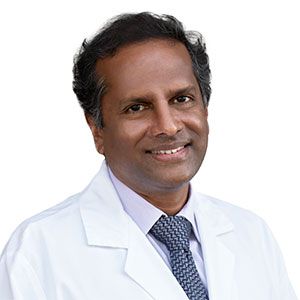
Vinod A. Pullarkat, M.D., M.R.C.P. is Professor of Hematology and Hematopoietic Cell Transplantation at City of Hope. His research interests include treatment of acute leukemia, stem cell transplantation, bone marrow failure and autoimmune hematologic disorders. Dr. Pullarkat has authored over 175 scientific articles in various peer reviewed journals and edited books on acute leukemia. He serves as principal investigator for multiple clinical trials at City of Hope.
He will be bringing a unique insight for evaluating research not just for scientific rigor, but also for feasibility, clinical relevance, and real-world impact.
Martha Mims, MD, PhD – Bridging Clinical Research and Health Equity
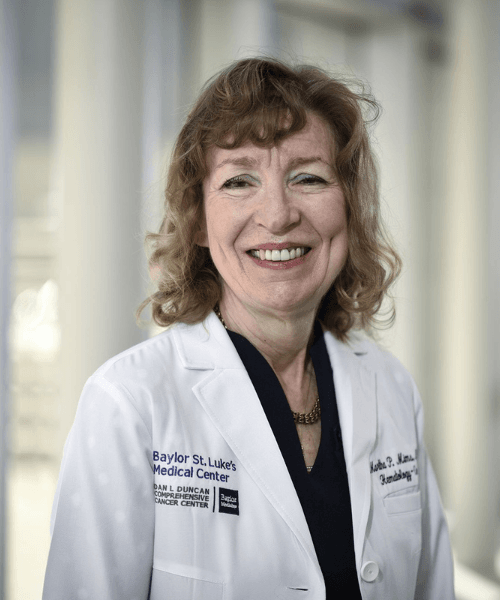
Dr. Mims holds several leadership roles across both the cancer center and academic institution. She is a Professor of Medicine at Baylor College of Medicine, Associate Director of Clinical Research at the Dan L Duncan Comprehensive Cancer Center, and Chief of Hematology and Oncology at Harris Health’s Ben Taub Hospital. An active clinician, she cares for underserved patients within the Harris Health system while leading clinical research efforts that span both genitourinary and hematologic malignancies.
With her breadth of experience, Dr. Mims is positioned to evaluate scientific work through both an equity lens and a rigorously academic one.
Parameswaran Venugopal, MD – Leadership in Hematologic Malignancies
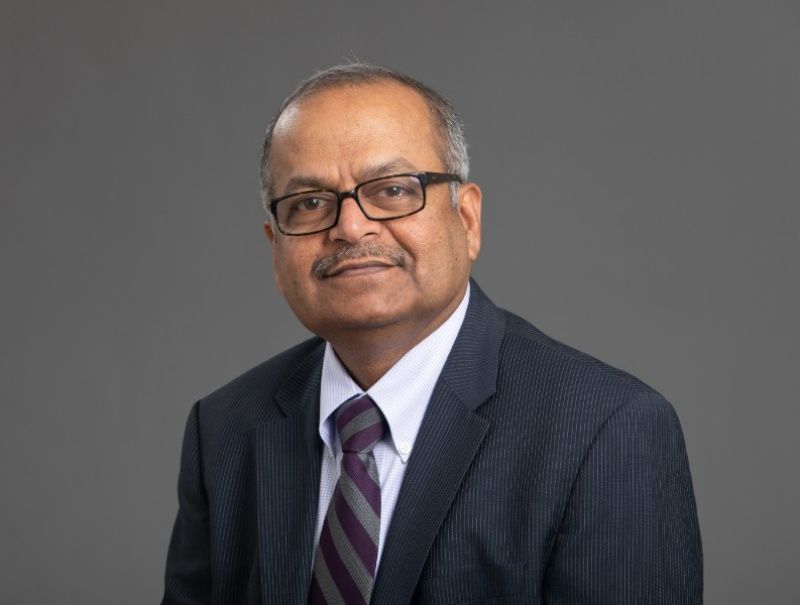
Dr. Parameswaran Venugopal is a Professor in the Department of Internal Medicine, Division of Hematology, Oncology, and Cell Therapy, and holds the Elodia Kehm Chair of Hematology at Rush University Medical Center, reflecting a distinguished academic and clinical leadership role in blood cancers. His clinical expertise spans acute and chronic leukemias, lymphomas, and related disorders, and he has been involved in both patient care and research focused on targeted and immunotherapeutic approaches to hematologic cancers.
As a co-chair of the abstract and scientific review committee, he brings a strong understanding of disease biology and therapeutic innovation to the research evaluation process for this conference.
Jerald Radich, MD – Pioneer in Molecular Oncology and Diagnostics
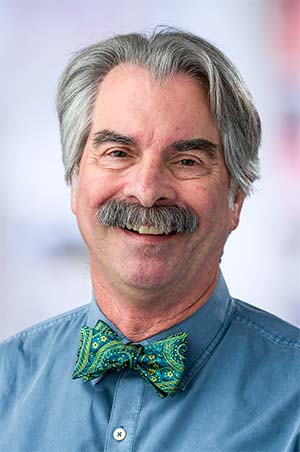
Dr. Jerald Radich is a Professor in the Translational Science and Therapeutics Division at Fred Hutchinson Cancer Center, holds the Kurt Enslein Endowed Chair, and is also a Professor at the University of Washington School of Medicine. His work focuses on understanding the molecular genetics of leukemia, including mechanisms of treatment response, resistance, and relapse, and on developing sensitive diagnostic methods. He also directs a CLIA-certified Molecular Oncology Lab that supports clinical trials and international research efforts.
His decades of academic leadership and clinical research experience make him well-equipped to evaluate abstracts with a nuanced appreciation for scientific rigor and clinical relevance of research in hematologic malignancies.
Why the Scientific Review Committee Is Critical to Cancer Research
A recent report by the American Association for Cancer Research highlighted that blood cancers pose a significant public health challenge, both in the United States and around the globe. As a result, there is an urgent need to encourage and support research that seeks to tackle this challenge head-on. That is where our Abstract and Scientific Review Committee comes in. They will be at the heart of shaping the scientific integrity of this year's summit. Their expertise will ensure every submission receives a thorough assessment, constructive feedback, and a fair path to selection.
To researchers considering submitting their work to the 2026 National Summit on Hematological Cancers, your science is in good hands. The review committee, bringing a breadth of experience within the blood cancer space, is well-positioned to provide constructive feedback that is set to strengthen the quality of your research.
Submit Your Abstract for the 2026 Summit on Hematological Cancers
The 2026 National Summit on Hematological Cancers invites blood cancer researchers at all levels to submit an abstract. Submissions may include basic science research, clinical research, quality-of-care research, outcomes research, and case reports or case series. To submit your abstract, visit our abstract page. The deadline for abstract submission is August 15, 2026.
We look forward to seeing you in Nashville!
Frequently Asked Questions About the Hematological Cancers Summit
What is the focus of the 2026 Hematological Cancers Summit?
The summit focuses on advances in leukemia, lymphoma, myeloma, and other blood cancers, including research, treatment innovations, and clinical care strategies.
Who should submit an abstract?
Researchers, clinicians, and trainees involved in hematologic malignancies, including basic science, clinical trials, and outcomes research.
What is the role of the review committee?
The committee evaluates abstracts for scientific rigor, clinical relevance, innovation, and impact on patient care.
When is the abstract submission deadline?
The deadline is August 15, 2026.
Recommended Articles