Binaytara Cancer Research Institute: Innovating for a Better Future

Author
Binaytara Team
"
This recognition means so much to our entire team, from our community outreach team, nurses, lab technicians and community health workers to the women of Madhesh who trusted us and stepped forward for screening.
Gamala Luitel
Administrative Director, Binaytara Cancer Clinic
At a Glance: How is BCRI Innovating Toward Cancer Health Equity?
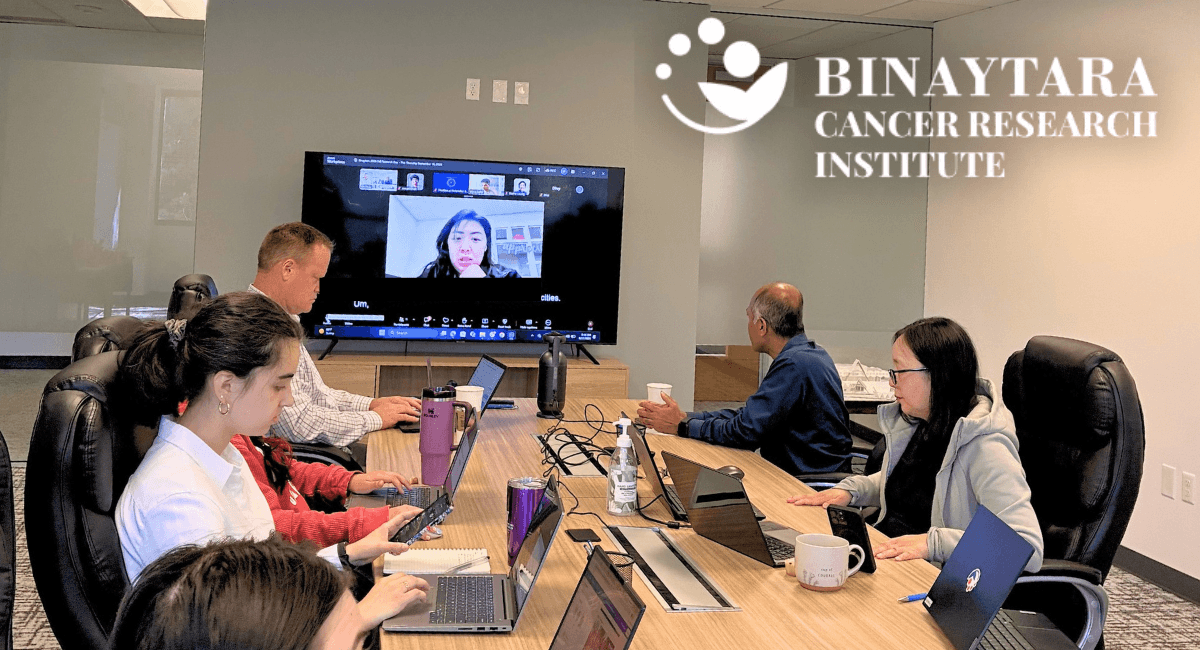
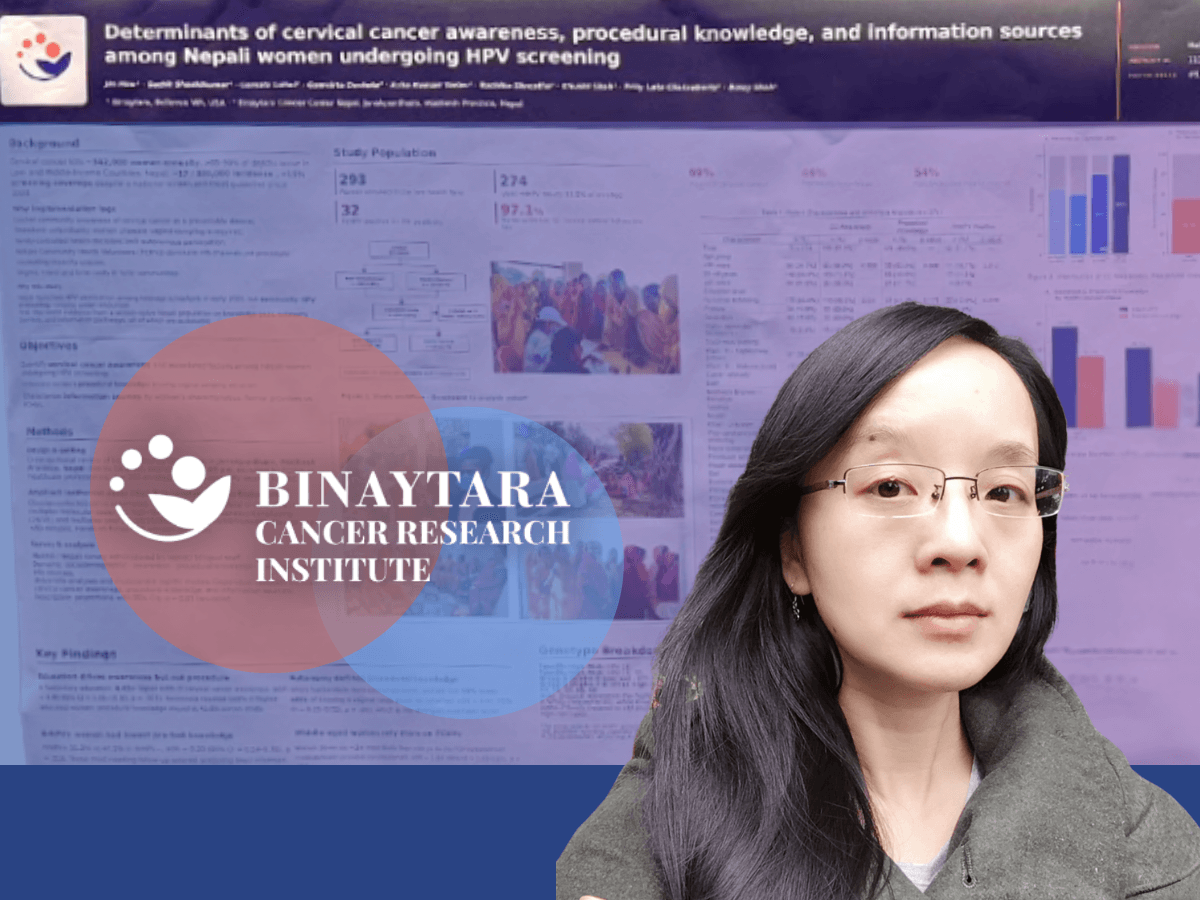
Binaytara Cancer Research Institute (BCRI) is Binaytara’s in-house science unit. Led by career epidemiologist Dr. Jin Mou, the team is working on ways to tailor health solutions for the communities getting left behind by one-size-fits-all cancer care. Several BCRI abstracts, related to Binaytara’s community-based cervical cancer screening effort in Nepal, were featured at the 2026 ASCO Annual Meeting—a moment of high-profile attention for cancer research in low- and middle-income countries.
The Big Moments in the Race for a Cure
The treatment breakthrough that got a standing ovation at the 2026 American Society of Clinical Oncology Annual Meeting—arguably the most important oncology meeting in the world? Important and exciting in equal measure. New drugs, new drug combinations, and new surgical techniques that are doubling life expectancies? Also important; also exciting. The scientific world is racing towards a cure for cancer, and as breakthrough follows breakthrough, it’s a heartening time to be a part of it.
Take, for example, cervical cancer. The 1980s brought the discovery that over 90% of cervical cancer cases are caused by high-risk strains of HPV, a landmark connection followed by the approval of the HPV vaccine in 2006. Two decades post-vaccine, the rate of cervical cancer in the United States has fallen dramatically as the first cohort of vaccinated young people enter their 20s and 30s. It’s effectively possible to vaccinate against cervical cancer (although the vaccine is not a replacement for regular screening!). But then why is cervical cancer becoming more common across the globe?
Even as cervical cancer rates in high-resource settings plummet, the disease remains a significant burden in many lower-resource settings. For example, cervical cancer is the leading cause of cancer-related death among women in Nepal, with four women dying of the disease every day [1].
Protection against cervical cancer is a groundbreaking win. But when that protection is pay-to-play, not everyone gets to share in the victory. Progress for one population doesn’t necessarily mean that another population—one that can’t afford it, can’t reach it, or doesn’t even know it exists—will benefit equally.
The Binaytara Cancer Research Institute: Delivery over Discovery
The Binaytara Cancer Research Institute (BCRI), Binaytara’s in-house science unit, takes that inequity as its starting point. The team is designing solutions that work for the communities getting left behind by one-size-fits-all health solutions—communities who can’t afford the treatments that are standard in high-resource settings, or communities with different cultural attitudes toward common healthcare practices.
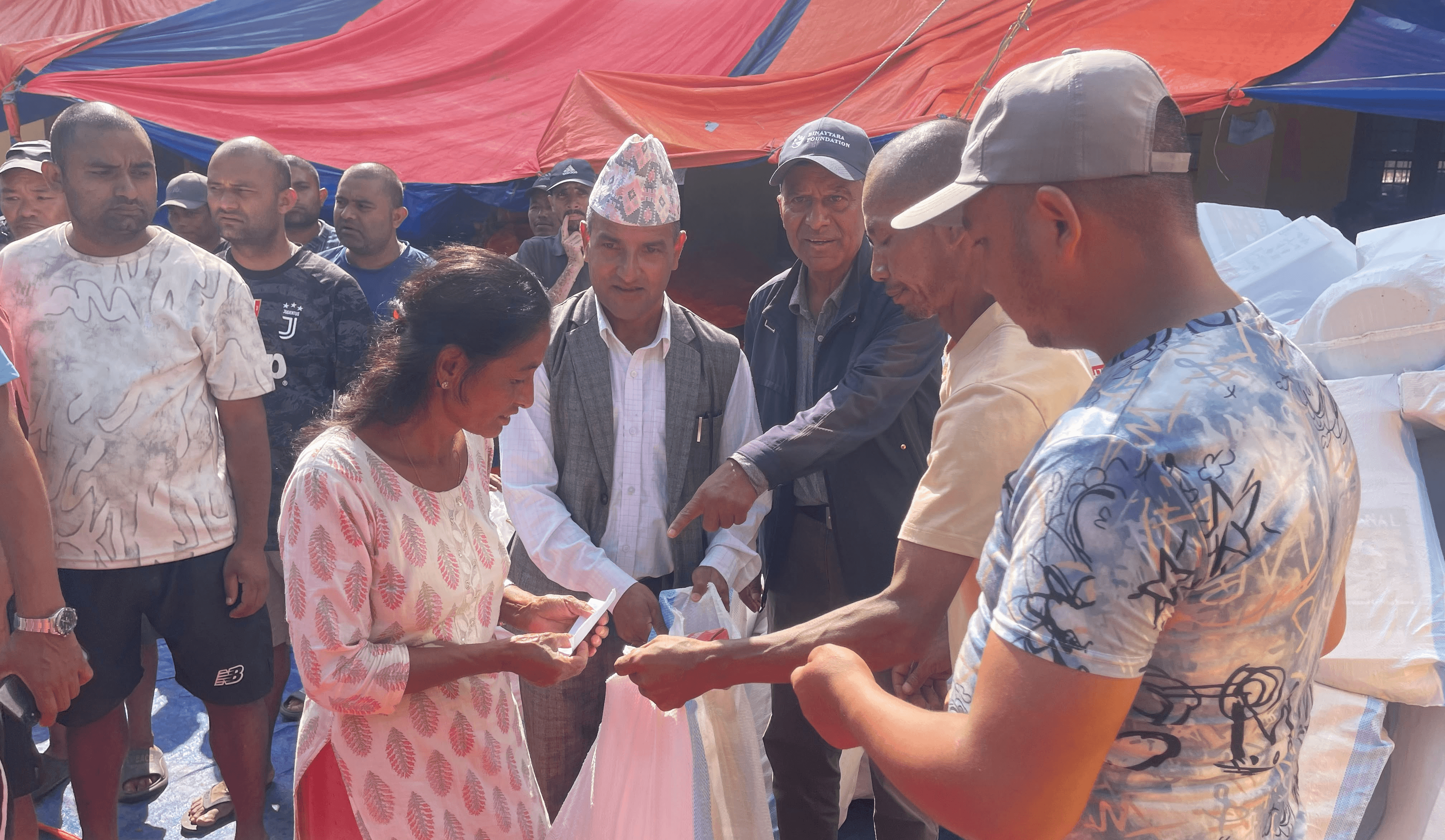
Here’s the difference evidence-based, culturally-informed health interventions can make: our health camp program brought our care team to different rural settings in Nepal’s Madhesh Province to test for HPV, reducing the need for patients to travel for their health. We partnered with Female Community Health Volunteers—local women who are trained to advocate for preventive care and who have deep ties within the community—to ramp up our participants’ comfortability. Anticipating the need for privacy, we offered either physician-assisted or self-administered HPV tests. We closely monitored participation, followup, and incidence rates to improve the program for the future.
This community-based screening initiative encouraged hundreds of women to prioritize their cervical health, and by no accident: the program is grounded in years of data and evidenced-based innovation.
ASCO 2026: BCRI Brings Implementation Science to the Global Stage
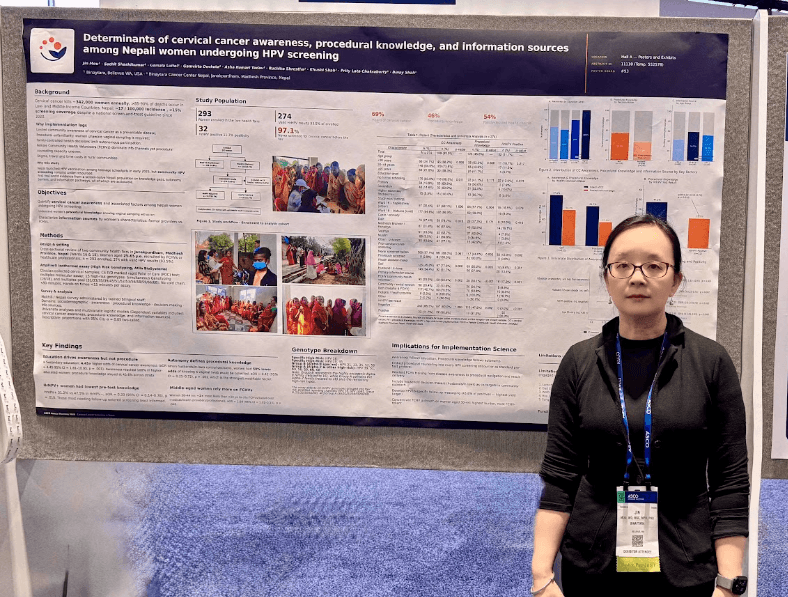
Binaytara Implementation Scientist Dr. Jin Mou at the American Society of Clinical Oncology (ASCO) Annual Meeting
The work BCRI did in Nepal attracted the interest of the clinical oncology giant ASCO: three BCRI abstracts were accepted for publication or presentation at ASCO’s 2026 annual meeting in a vital moment of publicity for cancer research in low- and middle-income countries—otherwise underrepresented at the clinically-focused conference.
“This recognition means so much to our entire team,” Gamala Luitel, Administrative Director of the Binaytara Cancer Clinic and abstract co-author, said: “from our community outreach team, nurses, lab technicians and community health workers to the women of Madhesh who trusted us and stepped forward for screening.”
"As a firm believer in preventive medicine, I see this as the most actionable space for implementation science to drive community health,” Jin Mou, MD, PhD, Binaytara Implementation Science and Research Development Officer, added. “Because implementation science is still evolving, we should not allow its frameworks to exist solely on paper. Using proven evaluation structures like RE-AIM, Binaytara’s mission in the coming years is to bridge the gap between research and practice, translating existing knowledge into scalable, real-world interventions that save lives."
Check out BCRI’s other initiatives, and stay up to date with our global oncology and implementation science programs in Nepal, Nigeria, and the United States by subscribing to our newsletter.
References
Narasimhamurthy M, Kafle SU. Cervical cancer in Nepal: Current screening strategies and challenges. Front Public Health. 2022;10:980899. Published 2022 Nov 17. doi:10.3389/fpubh.2022.980899
Recommended Articles