
Funding Opportunities
Research funding for early-career oncology faculty and fellows
Overview
Binaytara Research Awards provide competitive grant funding for early-career faculty and fellows pursuing innovative cancer research. Awards range from $25,000 to $50,000 and are presented at Binaytara's cancer conferences across oncology, hematology, and cancer health disparities.
What sets these awards apart is the selection process. Rather than a traditional closed-review grant application, finalists present their research live at Binaytara's Impact Pitch: Research Award Challenge, a live competition where a panel of expert reviewers called Catalysts evaluate each proposal and determine which projects receive funding.
Who can apply: Early-career hematology/oncology faculty and fellows. No U.S. citizenship requirement. Applicants from any institution are welcome. See individual award pages for specific eligibility requirements.
Binaytara Implementation Science Research Awards
Funding for research focused on improving how evidence-based cancer care is delivered in real-world settings, addressing access, equity, and delivery gaps. Awards up to $25,000 each, tied to the Summit on Cancer Health Disparities.
Binaytara Lung Cancer Research Awards
Funding for high-impact research aimed at improving the understanding, diagnosis, and treatment of lung cancer. Two awards of up to $50,000 each, tied to the Seattle and Brooklyn Lung Cancer Conferences.
Binaytara Precision Oncology Research Awards
Funding for emerging investigators driving innovation in precision oncology, genomics, and targeted cancer therapies. One award of up to $25,000, tied to the Binaytara Precision Oncology Summit.
Shaji Kumar Hematology Research Awards
Funding for research advancing the science and care of hematologic malignancies, including leukemia, lymphoma, and myeloma. Faculty awards up to $50,000 and fellow awards up to $25,000, tied to the National Summit on Hematologic Cancers.

Step 1: Submit an Abstract
For awards in Precision Oncology, Hematology, and Implementation Science, applicants submit an abstract describing completed or ongoing research for presentation at the relevant Binaytara scientific meeting. Only first authors of accepted abstracts are eligible for Research Award consideration.

Step 2: Submit a Research Proposal
For awards in Lung Cancer, no abstract is required, and applicants may submit a research proposal instead. For first authors of accepted abstracts from Step 1, they will be invited to submit a research proposal. The proposed research may be entirely independent of the abstracted work.

Step 3: Impact Pitch: Research Award Challenge
Finalists present their proposals live to a panel of expert reviewers called Catalysts at the corresponding Binaytara conference. The format is a brief presentation followed by Q&A from the Catalysts in front of a live audience of conference attendees.
"Binaytara's support allows us to focus on data-driven solutions that ensure every patient, regardless of their background, has access to life-saving cancer care."
Benjamin Li, MD, Fred Hutchinson Cancer Center
Previous Winners
Empowering the next generation of oncology leaders to make a real-world impact.
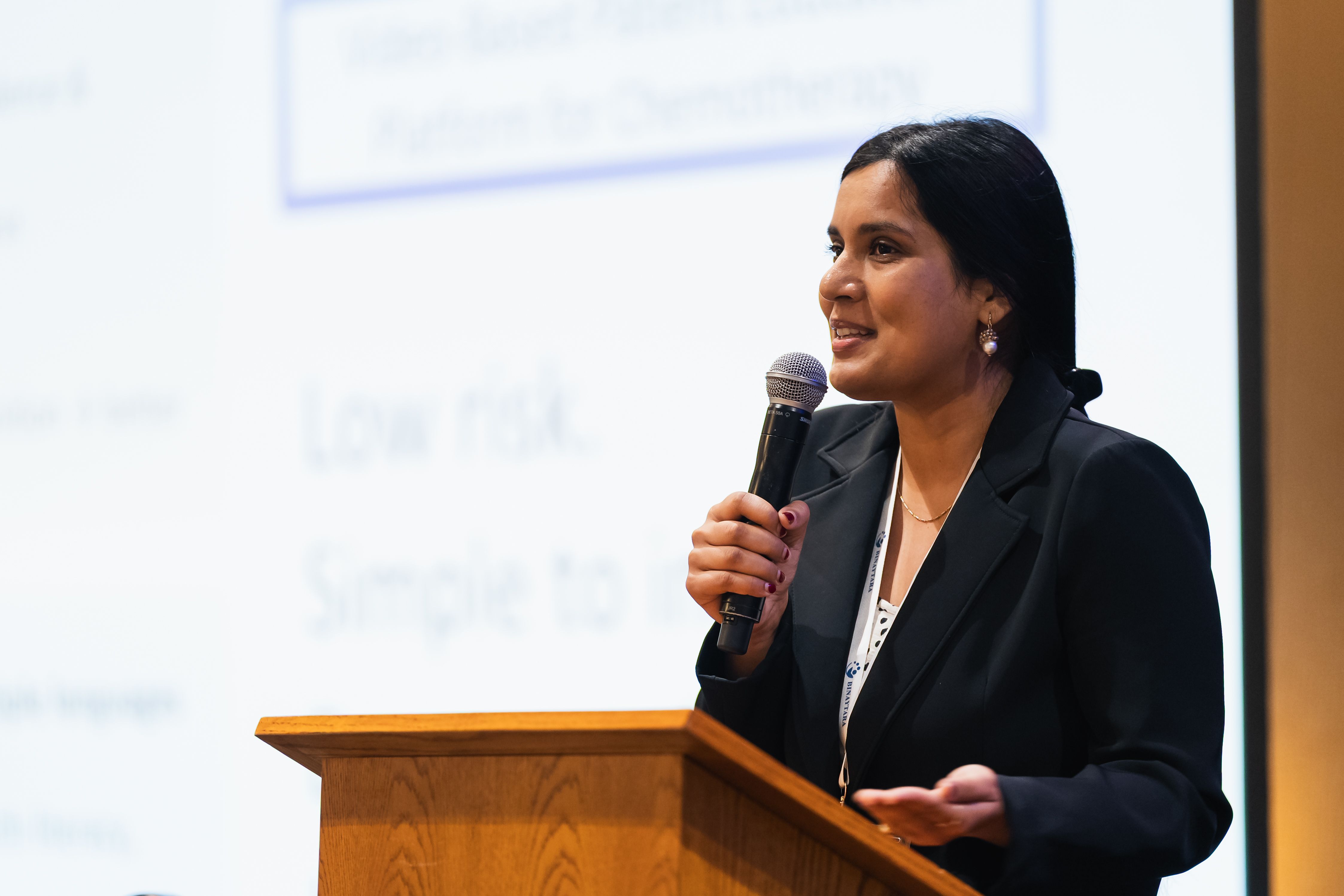
Akshee Batra, MD
Implementation Science Research Award
"The Impact Pitch is more than just a competition; it's a platform for early-career investigators to showcase their passion and gain invaluable mentorship. It's an incredible opportunity to learn from experts and refine our approach to improving patient outcomes."
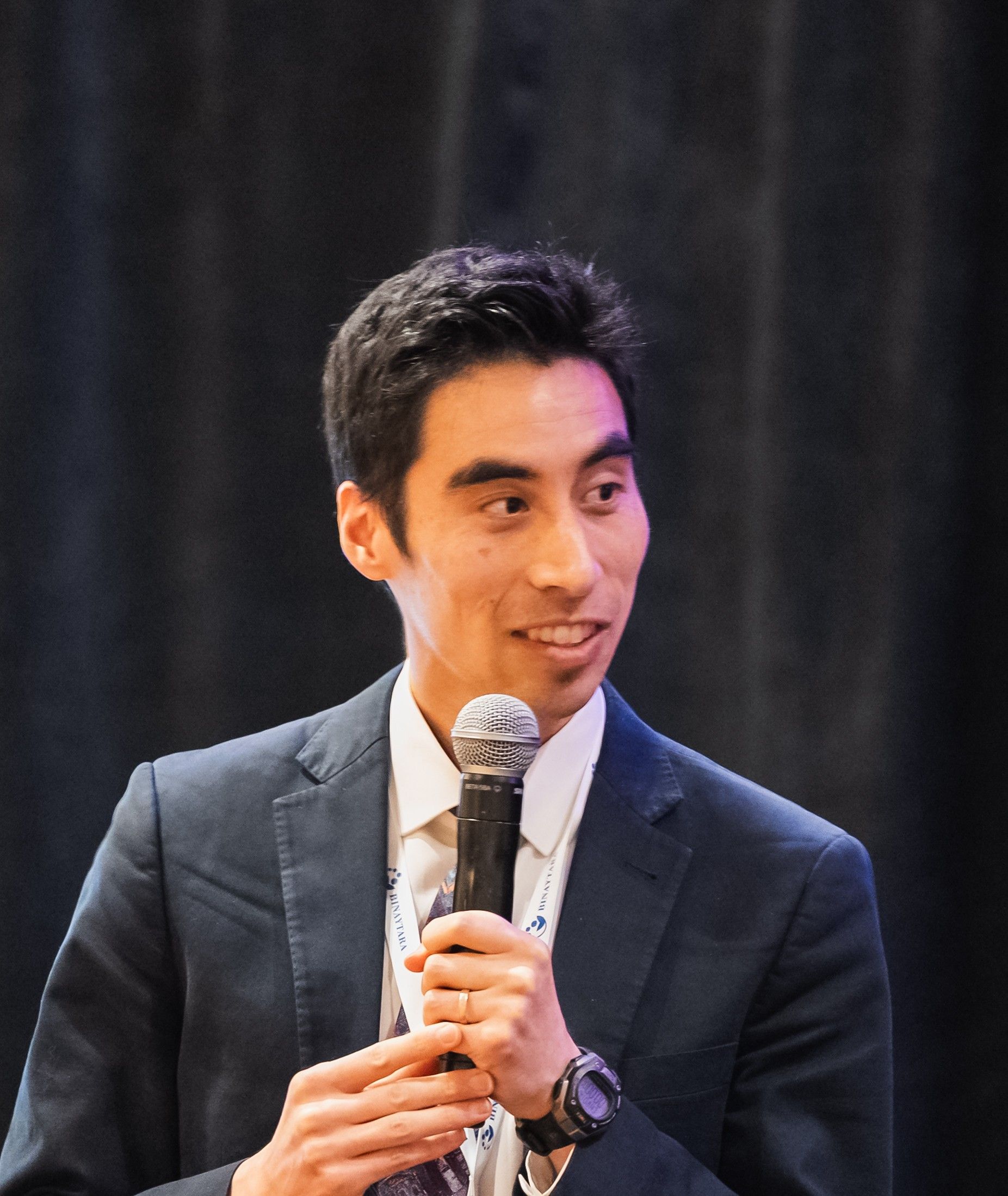
Benjamin Li, MD, MBA
Implementation Science Research Award
"Winning this award has provided a vital boost to our research into health disparities. Binaytara's support allows us to focus on data-driven solutions that ensure every patient, regardless of their background, has access to life-saving cancer care."
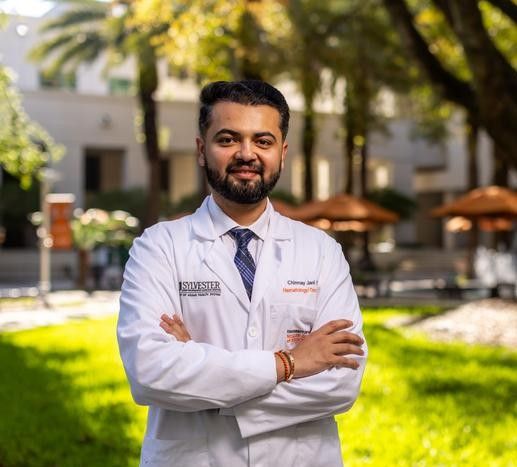
Chinmay Jani, MD
Lung Cancer Research Award
"I am deeply grateful to Binaytara, the Brooklyn Lung Cancer Conference chairs, and the Impact Pitch judges for believing in this project. Binaytara's support will now help us move this collaborative vision closer to clinical implementation as I transition to a faculty role in Thoracic Oncology and Experimental Therapeutics at Sylvester Comprehensive Cancer Center."
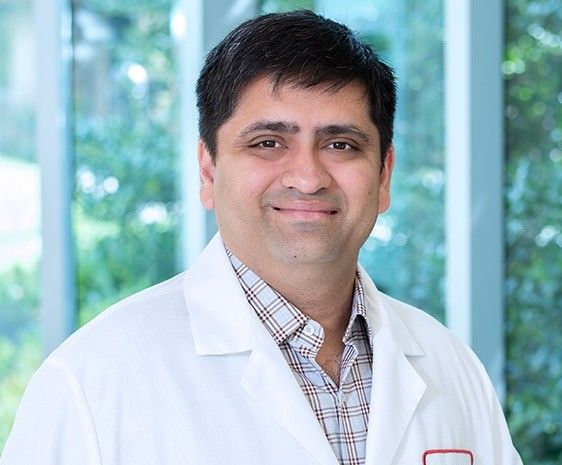
Parth Desai, MBBS, MD
Lung Cancer Research Award
"A lot of times with written feedback, there’s so much that gets missed between the lines. This is nice because it’s a back-and-forth — they make an argument, you respond with an argument, and the whole thing builds. You come out with a more advanced version of what you brought in."
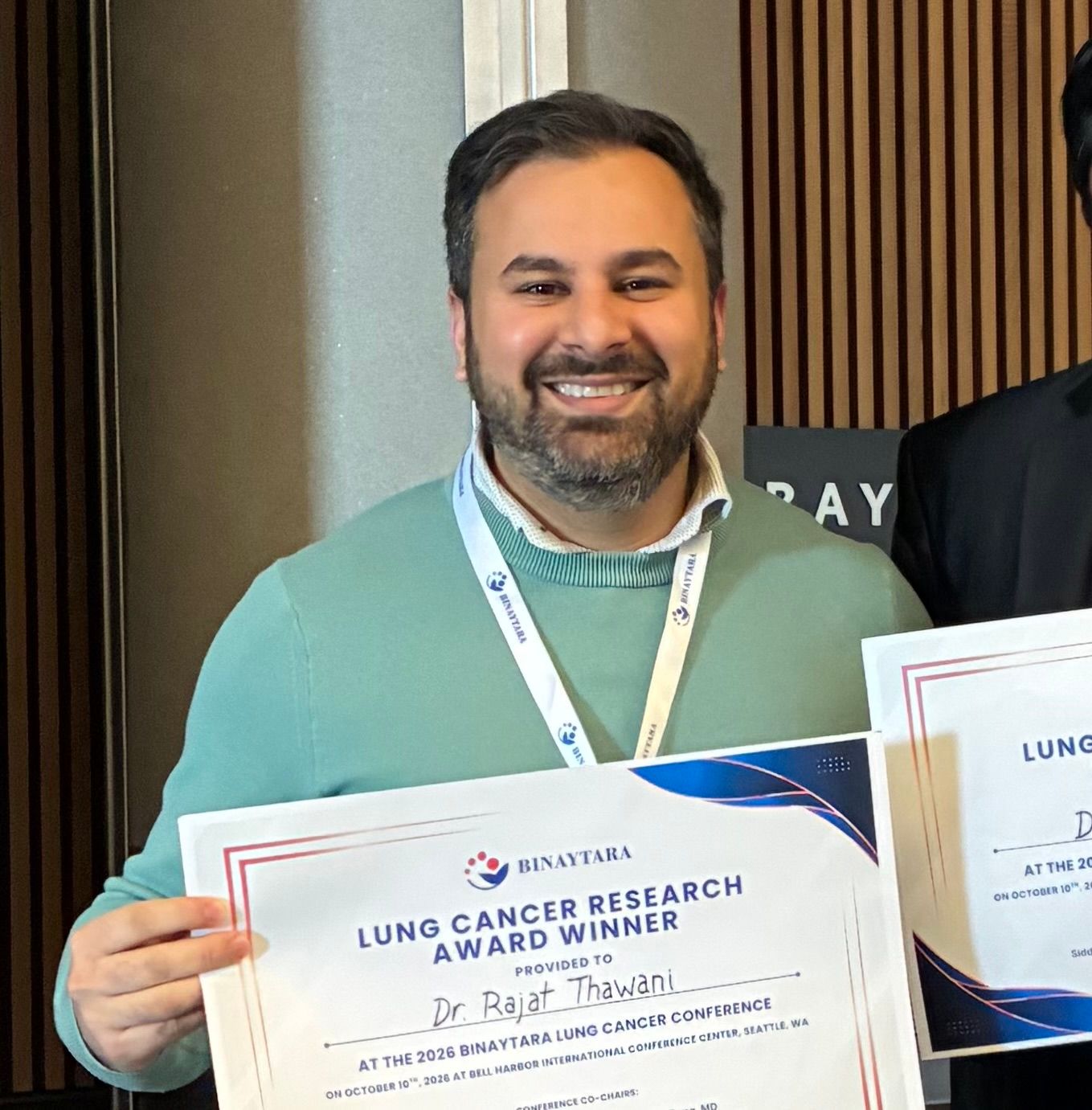
Rajat Thawani, MD
Lung Cancer Research Award
"This is probably the first time where you actually, in front of a live audience, deliver your pitch and get real time feedback. People later came up to me and told me what they thought."
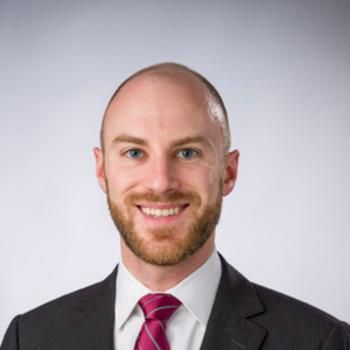
Alexander Salter, MD, PhD
Precision Oncology Research Award
"Participating in the Impact Pitch was a great experience. I think it helped formulate why my scientific work might be impactful and how to convey that to an audience and folks who aren't necessarily involved or don't know much about what I work on."
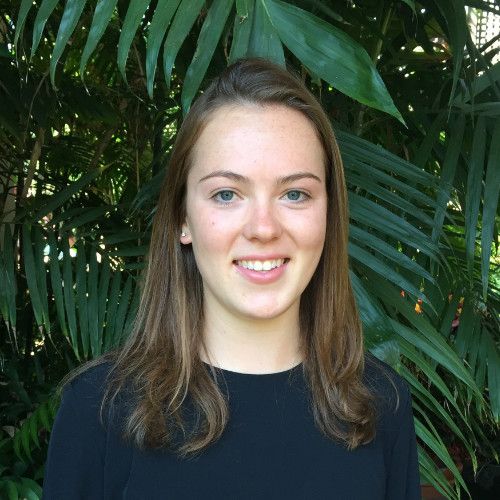
Caitlin Keenan, MD
Shaji Kumar Hematology Research Award
"I would strongly encourage other researchers to apply. I think it can only lead to good things."
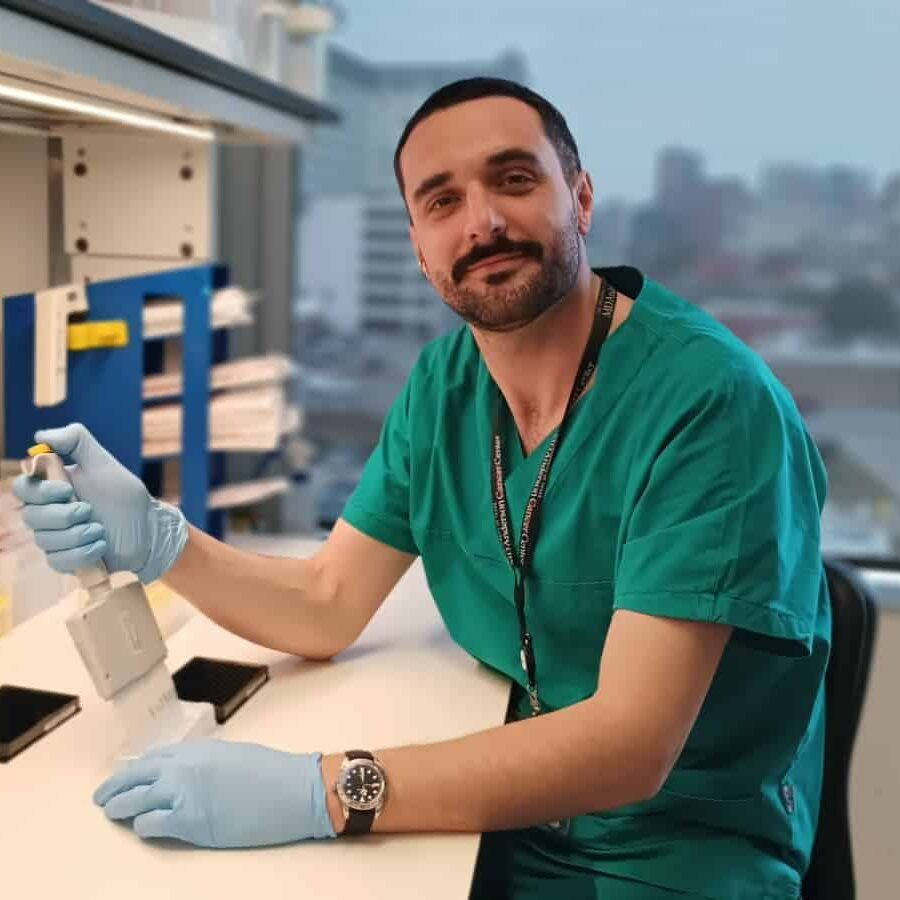
Federico Mario Aletti, MD
Shaji Kumar Hematology Research Award
"I feel this format is more engaging, in a way. You really feel the competition and the adrenaline, and it's make it or break it. It's very compact and short, and it can be a powerful way to convey the message I want to share with other researchers, rather than writing for hours and hours, sending it to co-authors, and going back and forth. This was pretty straightforward and very high impact."
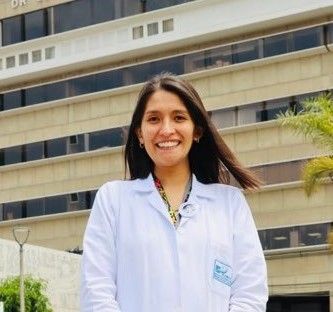
Melanie Castro Mollo, MD
Shaji Kumar Hematology Research Award
"I'm really thankful for the opportunity. I don't know what the result is going to be, but just the fact that there are opportunities for early career and international people is very important, because most grants are for American citizens. Having foundations like this that give opportunities to international people is amazing. I'm transitioning from fellow to faculty; and I want to start my research career as an independent investigator, so this is a huge opportunity."
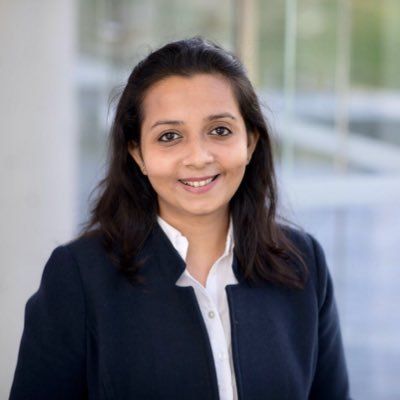
Samarpana Chakraborty, PhD
Shaji Kumar Hematology Research Award
"I learned a lot. This is the first time I've participated in something like this, and I really like the format. The people here are really nice. They want to support you, they're warm, and it's definitely an experience people should have."
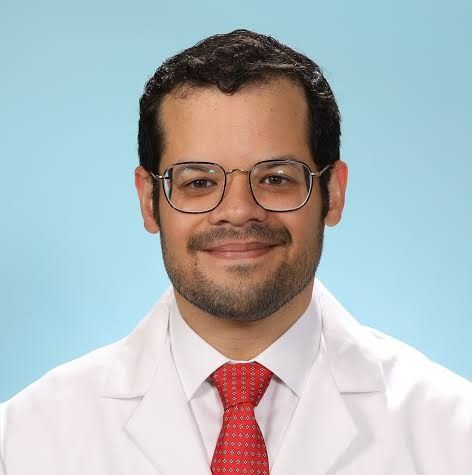
Samuel Urrutia, MD, MS
Shaji Kumar Hematology Research Award
"With the lack of funding across the scientific spectrum, many young researchers are feeling very negative about working in research at all. Showing that there are other sources of funding that will support early researchers will be helpful for all of us in the long run."