Author
Binaytara Team
Binaytara's 2026 National Summit on Hematologic Cancers Reinvents the Medical Conference — and Invests $250,000 in Research
Binaytara’s 2026 National Summit on Hematologic Cancers is redefining the modern medical conference with “Gray Zone” case-based debates, peer-reviewed consensus guidance, and $250,000 in hematology research funding for early-career investigators.
Defining the Standard Where the Guidelines End
Binaytara's 2026 National Summit on Hematologic Cancers returns to Nashville with the "Gray Zone" — faculty-facilitated, case-based sessions centered on the clinically contested scenarios where evidence is limited, expert opinion is divided, and standard management falls short. Deliberations are captured and published as peer-reviewed consensus guidance. And in a live “Impact Pitch”, early-career hematologists compete for a share of $250,000 in research funding.
● EVENT: 2026 National Summit on Hematologic Cancers
● DATES: October 16–17, 2026
● VENUE: Music City Center, Nashville, TN
● ORGANIZER: Binaytara
● HASHTAG: #HemeSummit2026
● $250K: Total research funding available for early-career investigators
● 4TH YEAR: Now one of hematology's premier annual gatherings
Most medical conferences are built to project certainty. Binaytara's 2026 National Summit on Hematologic Cancers is built to interrogate it.
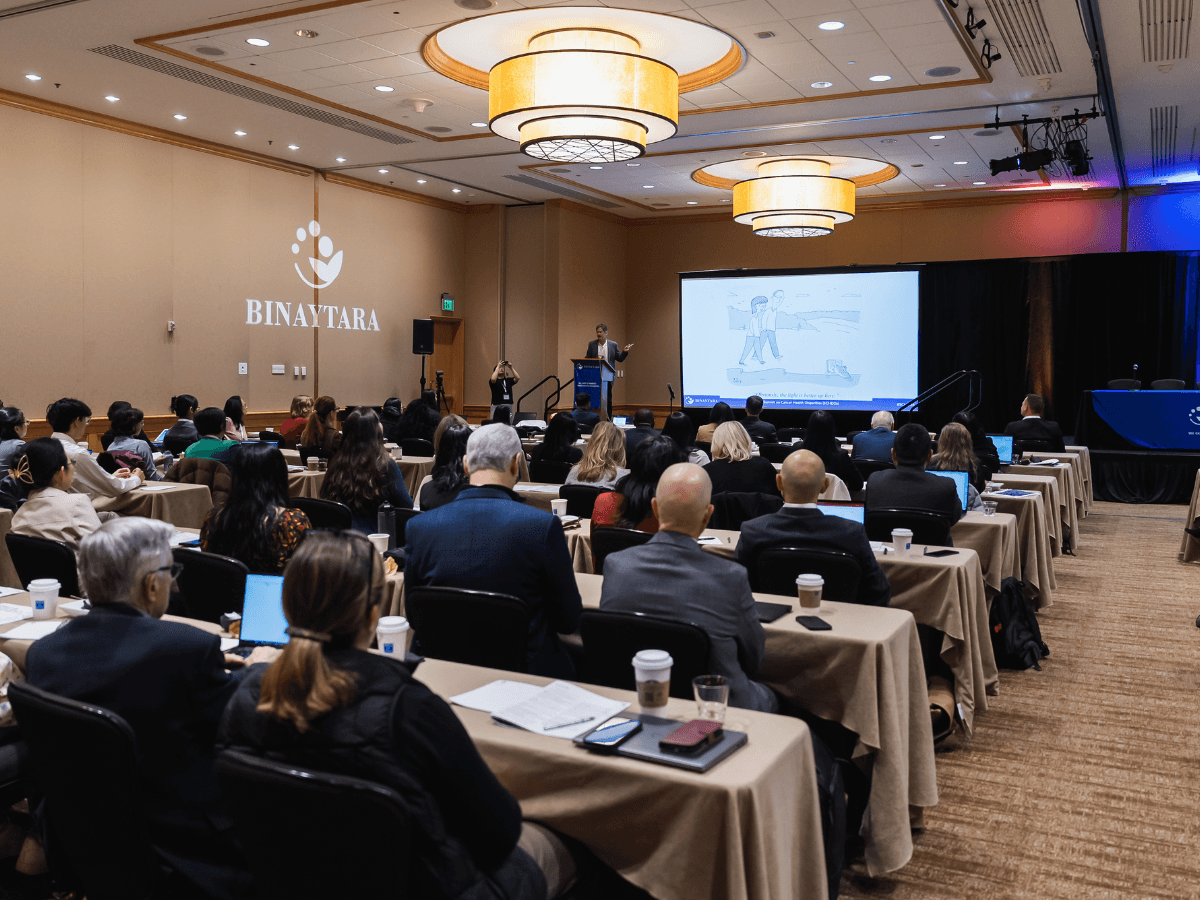
Now in its fourth year at Music City Center, the Summit, themed Defining the Standard Where the Guidelines End, convenes October 16–17, 2026, and has become one of hematologic oncology's most anticipated annual events. It draws hematologists, oncologists, researchers, advanced practice providers, and multidisciplinary care teams from across the United States and internationally to do something most CME conferences avoid: sit with hard clinical questions that don't have clean answers, debate them openly, and turn that deliberation into something the field can actually use.
What Happens When Hematology Guidelines No Longer Offer Clear Answers?
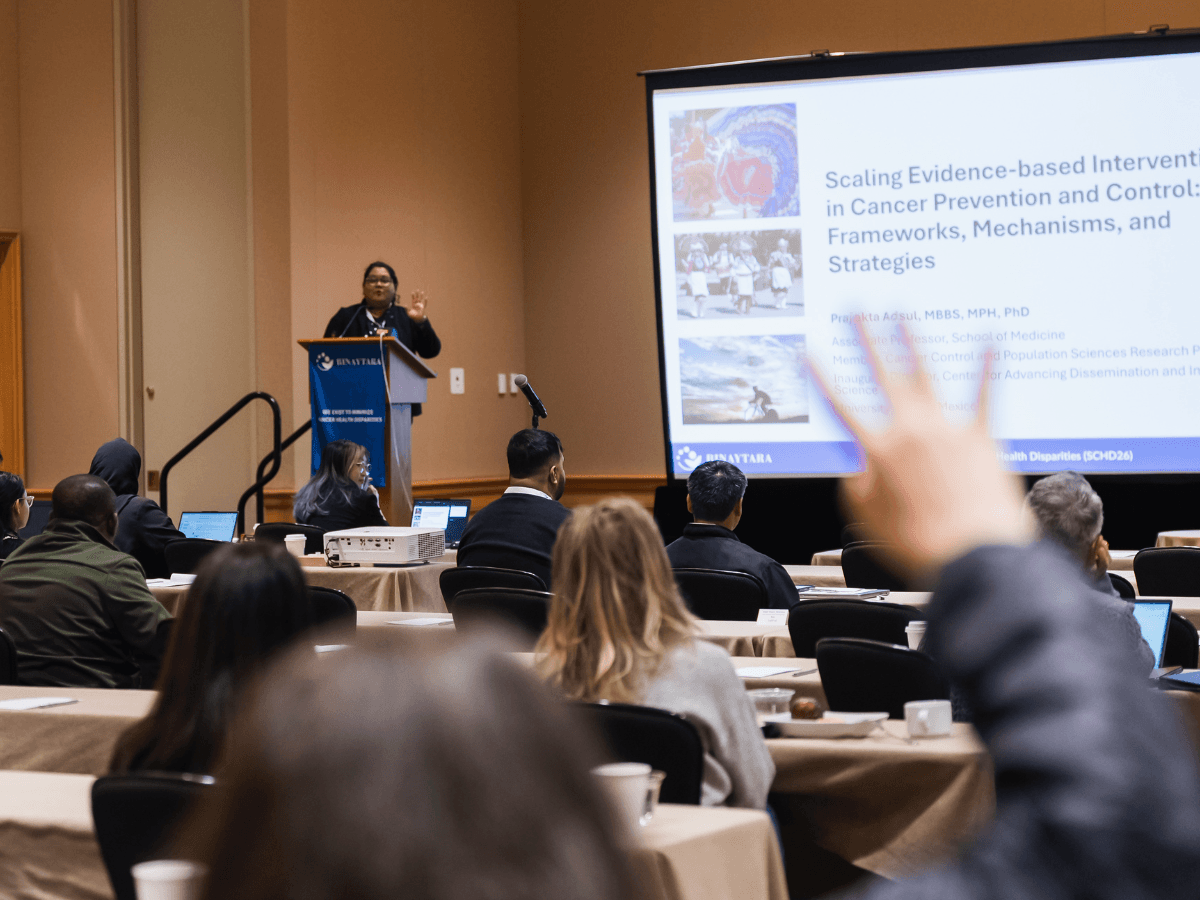
When a patient with relapsed myeloma has exhausted standard options and no guideline offers a clear next step, most clinicians navigate alone. The Summit was rebuilt to change that. At its core is the "Gray Zone" format: case-based sessions in which two to three real-world hematology cases — in leukemia, lymphoma, multiple myeloma, MPN/CML, and CLL — unfold in clinical layers, with expert panelists engaging in open, unscripted deliberation. Moderators are explicitly instructed to surface conflict, not resolve it prematurely.
"We are not trying to manufacture consensus on stage. We are trying to model the actual reasoning process specialists use when the data runs out. That is what clinicians tell us they need most — and it's the one thing most conferences are too didactic to show them."
— Dr. Binay Shah, Conference Director and President, Binaytara
What distinguishes the Gray Zone from any other case-based format is what happens after: each session's deliberations are recorded, transcribed, and developed into expert consensus position statements published in the International Journal of Cancer Care and Delivery (IJCCD), a peer-reviewed open-access journal. Expert disagreement worked out in real time in Nashville becomes citable clinical guidance for the field — extending the Summit's reach far beyond two days in Tennessee.
$250,000 on the Line: A Launch Pad for the Next Generation of Hematology Research
The Summit features Binaytara's signature Impact Pitch: Research Award Challenge, which offers early-career investigators the highest-stakes pitch of their careers. Researchers present original hematology project proposals to expert "Catalysts" in a live competition. Awards for early-career faculty will provide up to $50,000 and awards for fellows will provide up to $25,000. The program is open to faculty within ten years of fellowship completion and to current fellows in hematology and oncology.
The multi-stage process — abstract submission, peer-reviewed proposal evaluation, poster presentation, and the live Impact Pitch — is designed not only to fund research, but to build mentorship pathways and amplify emerging voices in hematologic cancer. Abstract submissions are now open, with a deadline of August 15, 2026. Submit abstracts here. Accepted abstracts will be published in the IJCCD.
Shaji Kumar Hematology Research Awards - At a Glance
● Faculty awards: up to $50,000 per project
● Fellow awards: up to $25,000 per project
● Abstract deadline: August 15, 2026
● Impact Pitch: October 17, 2026, Nashville
● Encore submissions welcome with appropriate disclosure
From AI to CAR-T Failure to MRD: The Hardest Questions in Hematology
The 2026 program tackles the most consequential frontiers in contemporary hematologic oncology. Sessions examine artificial intelligence in hematopathology and measurable residual disease (MRD) assessment, the biology of CAR-T failure and antigen escape, post–CAR-T treatment strategies including bispecific antibodies and next-generation cellular therapies, and MRD as a dynamic decision engine across AML, ALL, multiple myeloma, and CLL. A dedicated plenary looks ahead to the 2030 landscape: AI in drug development, decentralized trial infrastructure, and the future of clinical judgment in hematology.
The program also confronts the access crisis in cellular therapy head-on — examining the geography of treatment deserts, financial toxicity, payer dynamics, and the community–academic partnership models that are beginning to move the needle. Dedicated parallel tracks serve adult hematology, pediatric oncology, and APP/pharmacist audiences throughout.
Conference Leadership
The Summit is chaired by:
● Hetty Carraway, MD, MBA - Cleveland Clinic
● Nitin Jain, MD - MD Anderson Cancer Center
● Shaji Kumar, MD - Mayo Clinic
● Navneet Majhail, MD, MS, FASTCT - Sarah Cannon Cancer Network
Abstracts will be reviewed by the Scientific Review Committee:
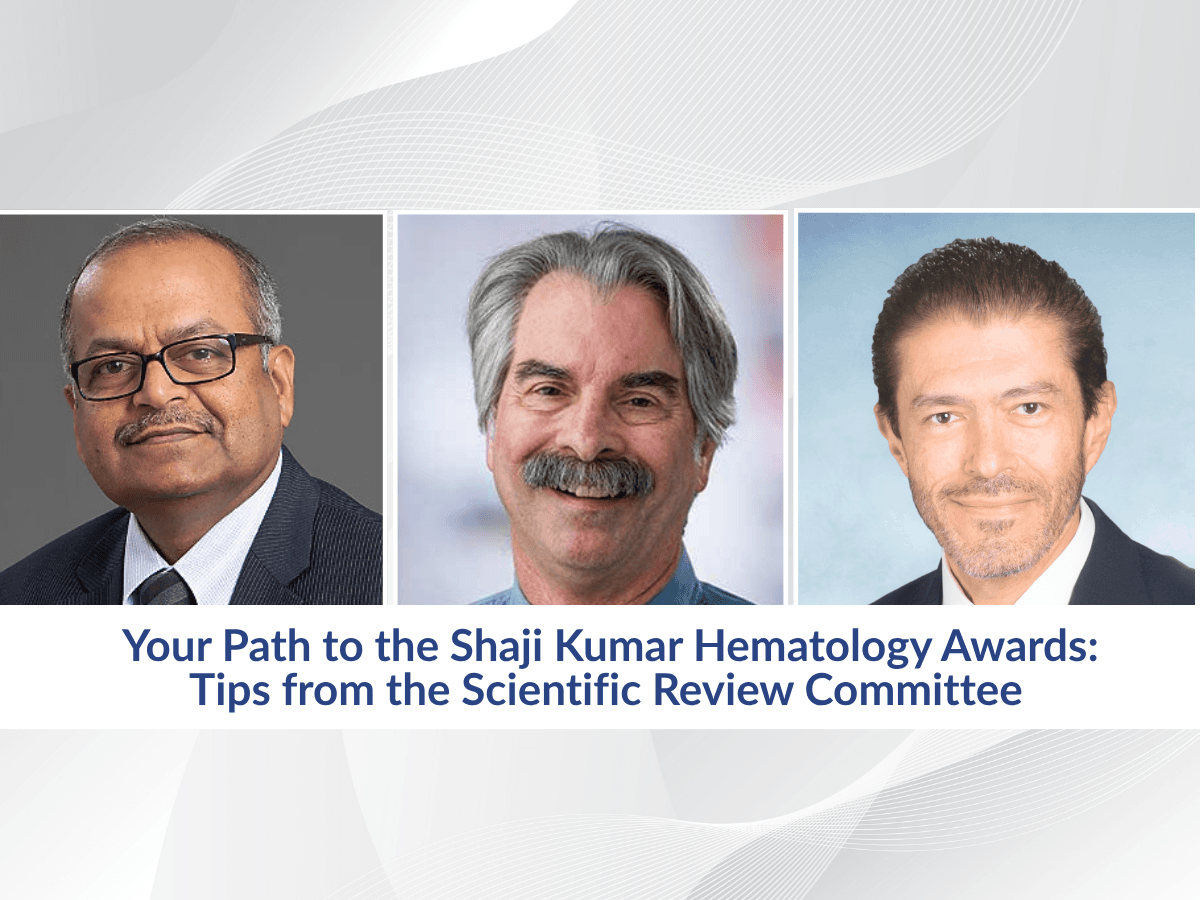
● Jorge Cortes, MD - University of Alabama, Birmingham
● Vinod Pullarkat, MD, MRCP - City of Hope
● Martha Mims, MD, PhD - Medicine at Baylor College of Medicine
● Parameswaran Venugopal, MD - Rush University Medical Center
● Jerald Radich, MD - Fred Hutchinson Cancer Center
Key Dates for Abstract Submission and Conference Participation
● Abstract submission deadline: August 15, 2026
● Research Poster presentations: October 16, 2026
● Impact Pitch session: October 17, 2026
● Conference: October 16–17, 2026 · Music City Center
Conference Website: https://binaytara.org/projects/conferences/2026-national-summit-on-hematologic-cancers
Abstract Submission Website: https://abstracts.binaytara.org/conference/2026-national-summit-on-hematologic-cancers-abstract
Frequently Asked Questions About the 2026 National Summit on Hematologic Cancers
What is the Binaytara 2026 National Summit on Hematologic Cancers?
The Summit is a national hematology conference focused on clinically challenging cases, emerging therapies, research innovation, and expert-led discussions in leukemia, lymphoma, multiple myeloma, CLL, and related blood cancers.
What is the “Gray Zone” format?
The Gray Zone is a case-based discussion format where hematology experts openly debate difficult clinical scenarios that lack clear guideline-based answers.
What is the Impact Pitch Research Award Challenge?
The Impact Pitch is a live research competition where early-career hematologists and fellows present proposals for a chance to receive up to $250,000 in total research funding.
Who can submit abstracts for Heme Summit 2026?
Current hematology/oncology fellows and faculty within 10 years of fellowship completion are eligible to participate in the research competition and abstract presentations.
When is the abstract submission deadline?
Abstract submissions for the 2026 National Summit on Hematologic Cancers are due on August 15, 2026.
Where will the conference take place?
The conference will be held October 16–17, 2026, at Music City Center in Nashville, Tennessee.
Recommended Articles