

Significant advances are reshaping the treatment landscape of myeloproliferative neoplasms (MPNs). At the Best of Hematology and Breast Cancer conference in Seattle, Dr. Vivian G. Oehler of Fred Hutchinson Cancer Center presented key updates in myelofibrosis, essential thrombocythemia, polycythemia vera, and chronic myeloid leukemia. From BET inhibitors such as pelabresib and CALR-targeted monoclonal antibodies to rusfertide for polycythemia vera and next-generation allosteric inhibitors in CML, emerging therapies are moving beyond symptom control toward deeper disease modification and improved long-term outcomes.
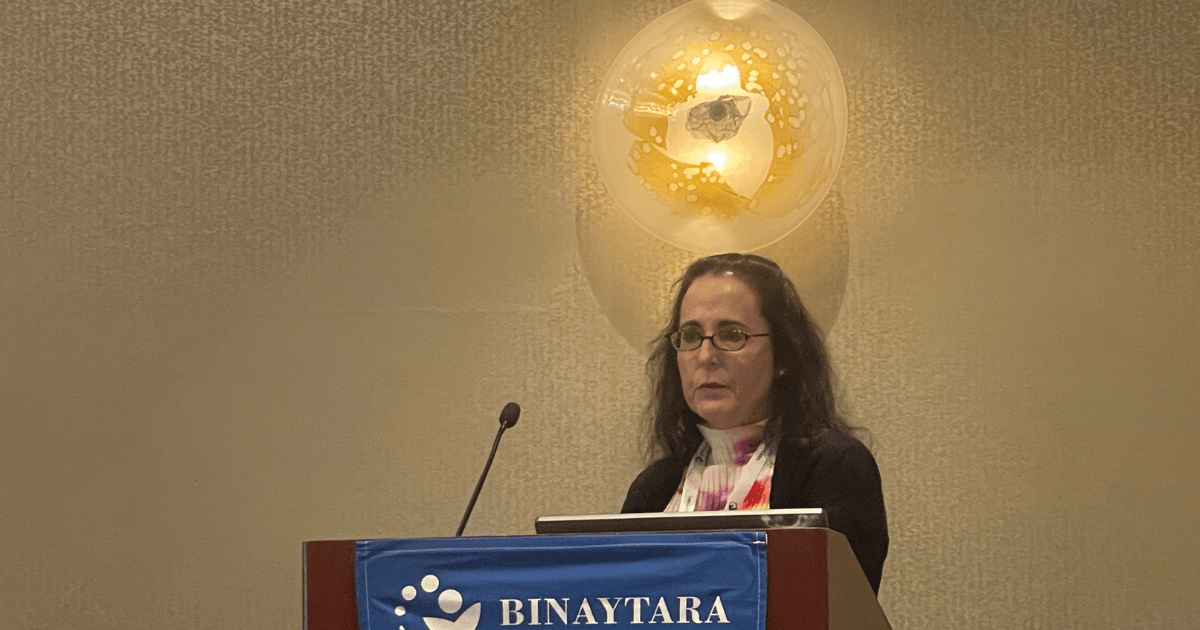
Dr. Vivian G Oehler is a hematologic oncologist who cares for patients with leukemia and other blood disorders at Fred Hutchinson Cancer Center. At the Best of Hematology and Breast Cancer conference in Seattle, Dr. Oehler presented a comprehensive overview of recent advances in the treatment of myeloproliferative neoplasms, covering updates across myelofibrosis, essential thrombocythemia, polycythemia vera, and chronic myeloid leukemia.
The transcript below has not been reviewed by the speaker and may contain errors.
Current Treatment Landscape in Myelofibrosis
Currently, four JAK inhibitor treatments are available for myelofibrosis patients with platelet counts less than 50,000. While these therapeutics result in a reduction of spleen size and improvement in disease-related symptoms, there remains a need for therapies that address the underlying biology, treatment depth, and duration.
The field has been highly active with numerous ongoing phase 2 and phase 3 studies targeting various pathways. Selected ongoing trials include the HMSTAT (BET inhibitor), the polymerase inhibitor pelabresib, the MDM2 inhibitor navitoclax, which was discussed in detail, and BRD9 inhibitor programs, all advancing through phase 2 and phase 3 development.
MANIFEST-2 Study Updates for Pelabresib
In 2023, one of the top abstracts presented upfront data from MANIFEST-2 for pelabresib, though longer follow-up was needed to better understand the drug's effects. Dr. Rampal presented updated data from the phase 2 study. Pelabresib is a BET inhibitor that decreases JAK-STAT burden, decreases TGF-beta, and decreases cytokine production. This results in decreased symptoms, splenomegaly reduction, and can improve the bone marrow microenvironment.
The MANIFEST-2 study enrolled patients with intermediate or high-risk disease with splenomegaly and symptomatic disease, defined as a total symptom score (TSS) of greater than 10. Patients were randomized one-to-one to ruxolitinib with either pelabresib or placebo. The presented data included 96-week follow-up with median follow-up representing the primary endpoint for these studies. Key secondary endpoints included the absolute change in total symptom score from baseline at week 24, as well as TSS 50% or greater response at week 24.
Patient characteristics and demographics were well-matched between the arms. Approximately 60% of patients were intermediate-1, 35% intermediate-2, or high risk. About 57% of patients were negative for JAK2 V617F mutations, 22% had CALR mutations, and 5% MPL. In terms of who remained on study, about 48% of patients in each arm continued on therapy at 96 weeks.
The deep reductions in spleen volume seen at week 24 were maintained, with the difference between the two arms at 34% for pelabresib. Focusing on the intention-to-treat population, this was about 16%. With regard to TSS 50 or greater, the difference between the two arms persisted at 96 weeks, with the intention-to-treat population showing 8.3%.
Regarding biology and improvements in myelofibrosis, more patients receiving pelabresib had improvement of at least one grade or more in myelofibrosis. This was 52.5% in the pelabresib arm versus 27.5% in the placebo arm.
One aspect that required careful follow-up over the past few years was safety, particularly any potential signal associated with progression. There were fewer progression-free survival events in the pelabresib arm. Specifically looking at progression events, there were 11 events in the pelabresib arm versus 18 events in the placebo arm.
Essential Thrombocythemia: CALR-Targeting Monoclonal Antibody
CALR mutations are common in essential thrombocythemia and myelofibrosis. Whether insertion or deletion mutations, all of these can lead to loss of a specific ER retention sequence and an altered C-terminus, which is appealing as a therapeutic target. When this frameshift occurs, the ER retention signal is abolished, resulting in more mutated CALR expressed on the cell surface, which leads to MPL activation.
One of the abstracts in the 2022 plenary session presented early clinical data for INCA0339899, a fully human immunoglobulin monoclonal antibody that selectively targets the mutated CALR neoepitope together with MPL. This is not the only drug in this field—there is also a CD3 bispecific antibody in phase 2 studies targeting CALR-mutated cells.
Two studies are based on this approach: one in essential thrombocythemia and one in myelofibrosis. Dr. Gupta presented data in the essential thrombocythemia session, while Dr. Mascarenhas presented data for myelofibrosis.
The essential thrombocythemia study involved high-risk patients who had platelet counts greater than 450,000. The primary endpoint, as expected for phase 1, was to examine toxicities and treatment-emergent adverse events. Key secondary endpoints included response by ELN criteria, symptom improvement, and decreases in mutant allele burden.
The median age in the study was 61 years with a median time from diagnosis [unclear]. In terms of prior cytoreductive therapy, 89% of patients had received prior hydroxyurea, 32% prior anagrelide, and 32% prior interferon. The median platelet count was 931,000.
For the purposes of this presentation, the focus was on the higher dose range of 450 to 2,500 milligrams. Within this dosing cohort, there were 30 patients, and among this group, 90% achieved a hematologic response, with 83.3% achieving a complete response. Additionally, 96% of patients had a reduction in mutant allele burden from baseline.
This drug was very well tolerated. Among the 34 patients who had concomitant cytoreductive therapy enrolled, 71% were able to discontinue their cytoreductive therapy. The response to this therapy occurs very quickly, within the first two to four weeks, and appears to be durable. As a preview, Dr. Mascarenhas presented that there are platelet responses in myelofibrosis as well.
Regarding impact on biology, early data shows that in essential thrombocythemia patients, many patients have clustered megakaryocytes, which is a hallmark of the disease. Among evaluable patients, 41% had resolution of megakaryocyte clustering. Interestingly, not only were decreases in clustered megakaryocytes seen, but increases specifically in CALR-mutated megakaryocytes were seen along with an increase in wild-type megakaryocytes. In the myelofibrosis study, 40% of patients had improvements in fibrosis grade, with a similar pattern in megakaryocytes.
Polycythemia Vera: VERIFY Study of Rusfertide
Updates to the phase 3 VERIFY study are particularly important clinically, as an NDA was submitted just a couple of weeks ago. Rusfertide is a hepcidin mimetic that controls red blood cell production by limiting iron availability. The week 52 data was presented by Dr. Ginzton at ASH this year.
The study design is as follows: Part 1A was the randomized one-to-one rusfertide versus placebo that took place during the first 32 weeks. This was followed by Part 1B where patients were allowed to cross over. This is now followed by Part 2/3, which is the long-term safety assessment as well as the extension period. The data presented at ASH was from the Part 1B portion.
Approximately 93.5% of patients continued on to Part 1B. For rusfertide-treated patients, they continued to have the dramatic hematocrit changes that they demonstrated during the first 32 weeks. Looking specifically at the placebo-treated patients after week 32, hematocrit normalization was seen. In terms of time to phlebotomy during the period of weeks 32 to 52, the median time to first phlebotomy was not reached in both groups, including among patients who switched from placebo to rusfertide. Importantly, ferritin normalized in these patients over time.
One of the downsides of phlebotomy for patients is iron deficiency, which can lead to numerous symptoms. The merits of this drug include not only hematocrit control but also less impact versus hydroxyurea, for example, on other cell lines.
One important aspect to follow up long-term with this drug was safety and cancer events. Most treatment-emergent adverse events were either grade 1 or grade 2, with serious adverse events most commonly being injection site reactions. Additionally, more follow-up was provided on non-PV cancers that have been reported. By week 28, 2 patients in the placebo group versus 3 patients in the rusfertide group had a non-PV malignancy. For the Part 1B portion of the study, 6 additional cases were reported.
Chronic Myeloid Leukemia: Allosteric Inhibitors
There has been a flurry of new therapeutics undergoing evaluation in chronic myeloid leukemia. An important addition was the allosteric inhibitor asciminib, which binds to the myristoyl pocket and has now been approved for all lines of therapy with T315I mutations. Based on its success, several other allosteric inhibitors are now in clinical trials, as well as newer generation ATP-site binding TKIs.
Most TKIs bind to the ATP binding site, and there are over several hundred tyrosine kinases in the kinome. Because these kinases are related, even though TKIs are targeted, they have off-target effects or actually on-target effects on related kinases. What's unique about allosteric inhibitors is they bind to the myristoyl pocket, which is very unique to BCR-ABL1. It's not perfect—mutations can emerge in the myristoyl pocket as well as compound mutations leading to resistance—but it's very potent, and these mutations are relatively rare.
Dr. Jabbour presented interim data for the phase 1 HQP1351 study, also an allosteric myristoyl pocket inhibitor. This is a part 1, part 2 study with part 1 being dose escalation and part 2 being dose expansion. Part 1 has been completed, and for part 2, the doses selected are 320 milligrams and 500 milligrams. As expected, the primary endpoints were safety and tolerability, with key secondary endpoints including molecular response.
The median age of patients was 57 years. Approximately 44% of patients had high disease burden with BCR-ABL1 greater than 10%. For BCR-ABL1 levels: 13% had greater than 1%, 10% had 0.1-1%, 25% had 0.01-0.1%, and 18% came onto the study in major molecular response. Regarding prior treatment and intolerance, 64% had discontinued their last TKI due to lack of efficacy, 29% due to lack of tolerability, 38% had prior asciminib, 22% had prior ponatinib, and 10% had T315I mutations.
This drug was generally well tolerated. Any grade adverse events were seen in 81% of patients, with notably no dose-limiting toxicities and only one patient discontinuing due to adverse events. Approximately 87% of patients remain on study.
For specific adverse events, all-grade hematologic toxicities, which are fairly difficult to assess in this population, occurred in 15% of patients. This is infrequently measured separately. In terms of non-hematologic toxicities, overall about 13-20% of patients experienced events, most commonly diarrhea, edema, nausea, fatigue, abdominal pain, and myalgia.
Regarding major molecular responses (BCR-ABL1 less than 0.1%) by 24 weeks, this was seen in 74% of patients. Looking specifically at patients who didn't achieve that response initially but then achieved MMR, this was 64%, and 100% of patients maintained MMR if achieved. Breaking down responses by prior TKI discontinuation reason: among patients with lack of efficacy of prior TKI, MMR was achieved in 63%, and for lack of tolerability, slightly higher at 71%. Responses were also seen in patients previously treated with asciminib or ponatinib.
Clinical Practice Changes and Future Directions
In terms of practice changes for 2026, the approach to myelofibrosis has not changed dramatically. Patients continue to be directed to clinical trials when possible. Based on MIPSS70 version 2 and transplant decision tools like MTSS, there is increased focus on optimizing timing for transplant in appropriate patients.
For polycythemia vera and essential thrombocythemia, there is increased use of ropeginterferon. In chronic myeloid leukemia, a number of patients are on asciminib, and treatment discontinuation is being considered earlier based on available first-line data.
Looking forward in myelofibrosis, this has been a long road with many excellent investigations. Three areas warrant particular attention: the results with pelabresib, results of the phase 3 study of the BET inhibitor, and results of the IMPROVE study, which is a phase 1B study of BET inhibitor plus ruxolitinib. There is also interest in the new COGNOSIS study, which is a phase 3 add-on study design that may eventually lead to combination therapeutic approaches.
For polycythemia vera, safety data continues to accumulate, and an NDA was just submitted for rusfertide, so this may be added to the clinical armamentarium soon.
For chronic myeloid leukemia, we have entered the allosteric era, and more allosteric inhibitors will be seen in clinical trials with potential FDA approvals. There remains a need for novel third-generation TKIs for T315I and compound mutations. Olverembatinib is in a phase 3 registration study versus imatinib, so results from that trial are anticipated.