

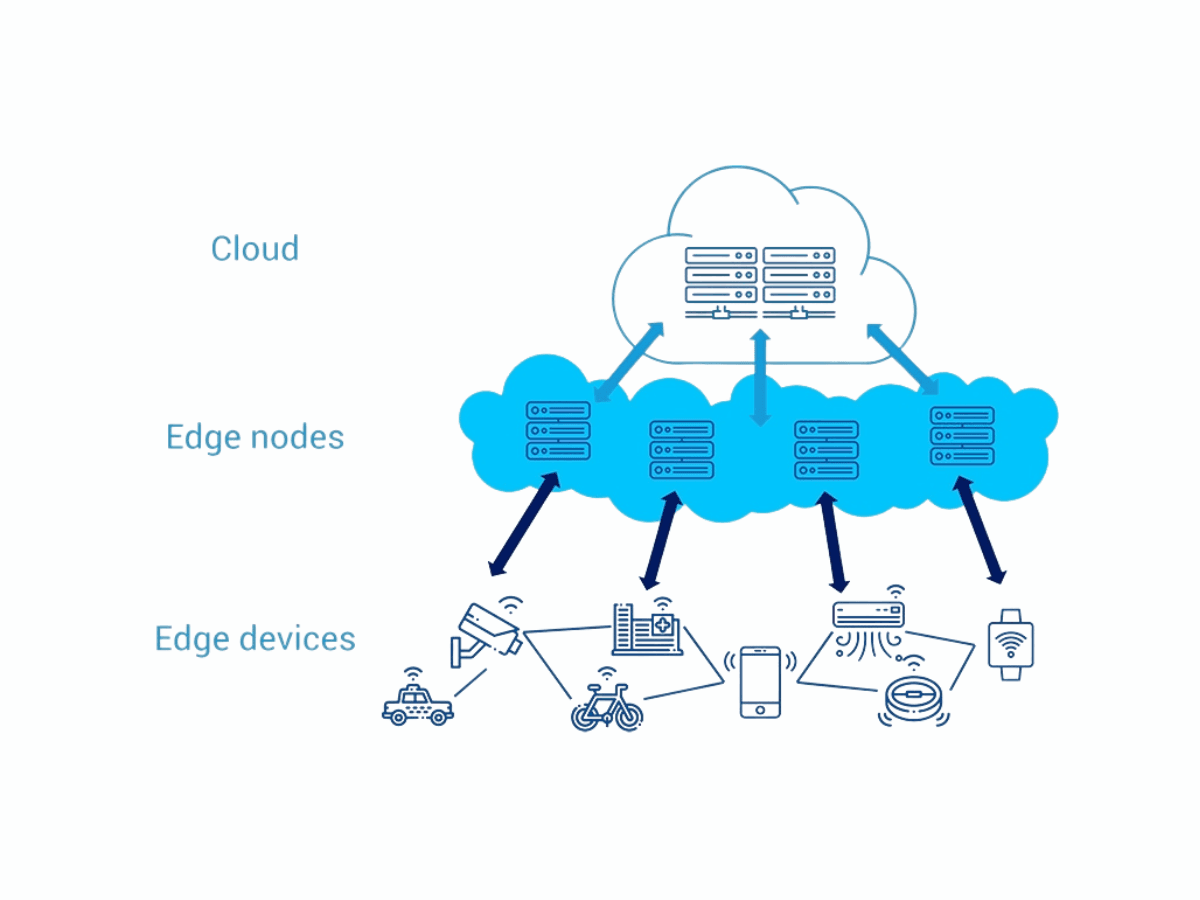
Edge computing is emerging as a powerful solution to expand cancer detection in underserved communities by enabling portable, AI-driven imaging that works in low-bandwidth and resource-limited settings. Presented at the 2025 Binaytara Global Oncology Summit, this analysis highlights how edge computing can overcome infrastructure barriers, reduce diagnostic delays, and bring early cancer detection closer to patients in low- and middle-income countries.
This article summarizes the transcript from session 4 abstract presentation at the 2025 Binaytara Global Oncology Summit. It has not been reviewed by the speaker and may contain errors.
The keynote speaker, Divyanshu Kumar, a mathematics major at the University of Washington Bothell presented on Edge Computing in Radiological Imaging: A Meta-Analysis of Accessibility for Cancer Detection in Low-Resource Settings.
The Challenge of Cloud-Based Imaging in Low-Resource Settings
Traditional cloud-based imaging for cancer diagnosis requires large volumes of data to be processed through remote servers with fast internet connectivity. This creates significant barriers for rural areas and low- and middle-income countries that lack robust internet infrastructure and adequate healthcare facility access. These barriers cause diagnostic delays that can allow treatable cancers to progress to advanced, untreatable stages.
Edge computing offers a promising solution by processing data locally on smaller servers rather than relying on distant cloud systems. This approach overcomes connectivity barriers while making cancer screening devices portable, allowing patients in underserved areas to access care without frequent hospital visits.
Meta-Analysis Goals and Methodology
This meta-analysis assessed how edge computing improves accessibility and diagnostic performance of AI imaging devices in disadvantaged communities. The analysis also identified clinical and technological gaps to determine whether these devices can produce accurate results that physicians can rely on for patient care.
A systematic search focused on studies published between 2020 and 2025 that evaluated edge computing hardware for cancer detection, including MRI, point-of-care ultrasound, and cone beam computed tomography. All studies examined performance in low-bandwidth and resource-limited environments, with data categorized by technical feasibility, accessibility outcomes, and diagnostic performance.
Key Findings Across Imaging Modalities
Bowel ultrasound with Doppler detected necrotizing enterocolitis—an intestinal condition in newborns causing symptoms like bloating—at early stages across 101 studies. Portable low-field MRI systems (0.064 to 0.75 Tesla) proved both cost-effective and accessible for populations unable to afford traditional hospital-based imaging.
The International Society for Magnetic Resonance Medicine brought together 368 participants from 24 countries in 2022 to address technical challenges with low-field MRI systems. In Haiti, point-of-care ultrasound training with over 100 patients improved physician skill by 8%.
The Jetson Xavier NX device showcased rapid processing capabilities, creating detailed classified images in under 30 seconds total—demonstrating the speed needed for effective point-of-care diagnostics.
Transforming Cancer Care Delivery With Edge Computing
Edge computing can transform radiology from hospital-centered to community-based care through portable devices that eliminate repeated hospital trips for imaging. These systems work reliably even with limited internet connectivity, making advanced diagnostic technology accessible in remote locations.
Future research will explore integrating edge computing with telemedicine to enable remote consultations between patients and healthcare professionals. By removing connectivity barriers and reducing costs, edge computing-enabled imaging devices offer a practical pathway to equitable cancer diagnosis and treatment in underserved communities worldwide, bringing life-saving technology directly to the populations that need it most.