

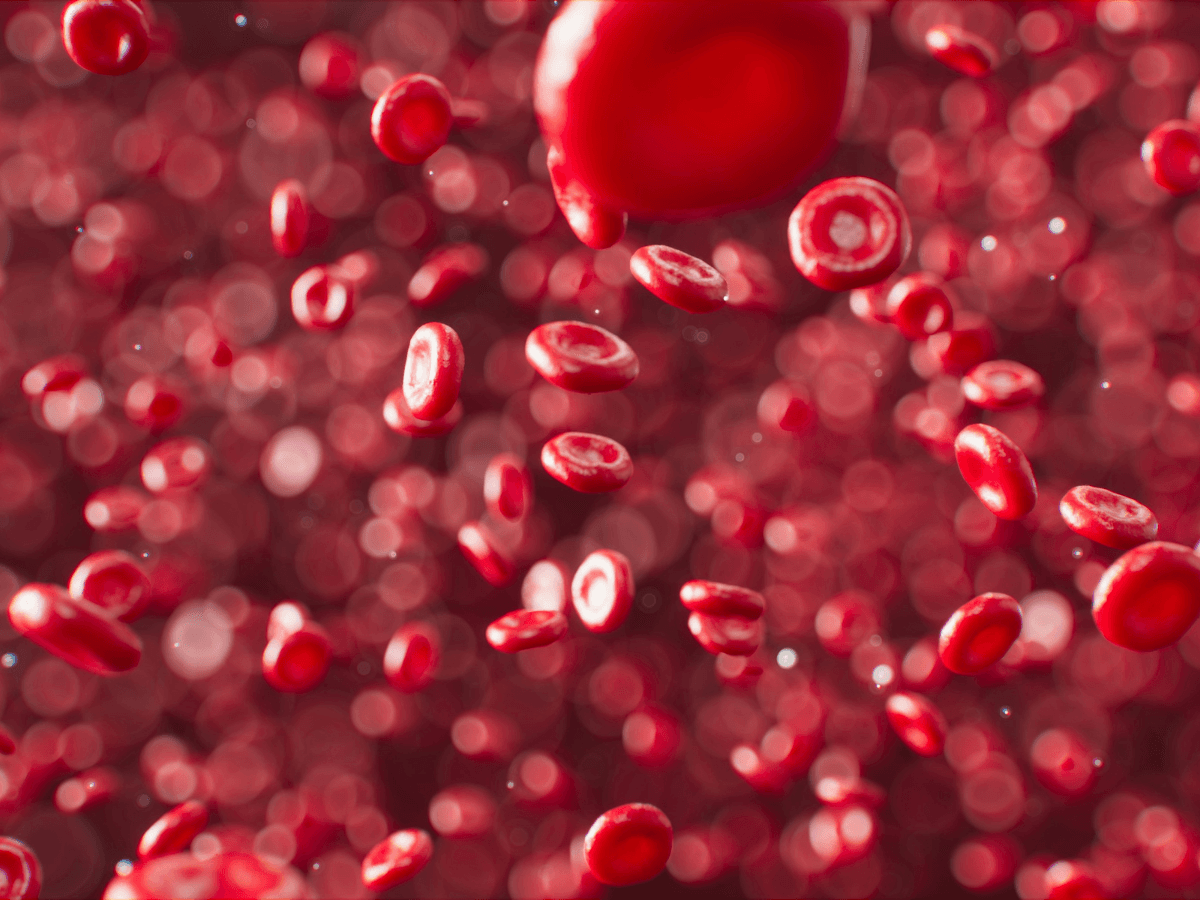
Low hemoglobin and anemia are common in cancer patients and may result from bone marrow involvement, chronic inflammation, blood loss, or cancer treatment. This article explains which cancers cause anemia, how it is diagnosed, and available treatment options.
With cancer comes a host of symptoms that make patients and caregivers wonder, 'Is it my cancer causing this?' One such symptom is anemia, a condition in which the body does not have enough hemoglobin to carry oxygen and nutrients to various organs and tissues. The hemoglobin threshold to diagnose anemia varies with gender, age, and pregnancy status. Normal hemoglobin levels are approximately 14-16 g/dL for men and 12-15 g/dL for women.
What are the signs and symptoms of anemia?
Anemia can manifest in various ways. Some common symptoms that anemia can cause include:
- Fatigue
- Feeling dizzy or light-headed
- Headaches
- Shortness of breath, especially after exercise
If anemia is severe, it can lead to more critical symptoms and signs such as:
- Rapid breathing and heart rate
- Pale skin
- Loss of consciousness and falls
What Types of Cancer Cause Low Hemoglobin?
Several different types of cancer can cause low hemoglobin, and this may be related to chronic inflammation, direct infiltration of the bone marrow by tumor cells or fibrous tissue as a result of cancer, nutrient deficiencies, chemotherapy, or blood loss.
The cancers that cause anemia can be differentiated into hypoproliferative or hyperproliferative.
1. Hypoproliferative anemia
Occurs when the bone marrow is unable to produce enough cells. This will have a low reticulocyte count, which is a marker of how well the bone marrow can produce red blood cells. Causes of hypoproliferative anemia include destruction of the bone marrow itself by tumor, fibrous tissue, chemotherapy, or other toxins, or nutritional deficiencies, where the bone marrow does not have enough substrate to manufacture red blood cells.
2. Hyperproliferative anemia
This can be due to blood loss or blood cell destruction in the circulating blood. In this form of anemia, the bone marrow, or the site of production, is not affected, and the reticulocyte count is generally higher, as the bone marrow tries to produce more red blood cells to compensate for the loss.
6 Categories of Cancer That Lower Hemoglobin
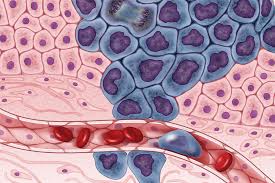
1. Hematological Cancers
These cancers directly affect blood cell production and can lead to low hemoglobin counts due to bone marrow dysfunction. These include: leukemia, lymphoma, multiple myeloma, and myelodysplastic syndromes.
2. Solid Cancers Causing Blood Loss
These cancers lead to slow, continuous bleeding, such as bleeding with bowel movements, dark-colored stools, increased vaginal bleeding, or bloody urine. These cancers include: colon cancer, stomach cancer, cervical cancer, ovarian cancer, and bladder cancer.
Some cancers can also rupture or hemorrhage and cause internal bleeding. Examples include hepatocellular (liver) cancer and Gastrointestinal stromal tumors (GIST) involving the stomach.
3. Cancers Causing Chronic Inflammation
One of the reasons anemia develops in cancer patients is chronic inflammation. This type of anemia is generally referred to as anemia of chronic disease. Several different types of cancers can lead to a chronic inflammatory state, resulting in decreased blood cell production.
4. Solid Tumors Affecting Bone Marrow
Some tumors can affect the bone marrow due to infiltration by metastasis or due to abnormal fibrous tissue replacing the normal tissue that produces red blood cells. This specific type of anemia is called myelophthisic anemia. It includes breast cancer, prostate cancer, and lung cancer
5. Chemotherapy and Radiation-Related Anemia
Chemotherapy, or the medications given to suppress malignant cells, can have several adverse effects. One unfortunate side effect is anemia. Radiation therapy can also affect the bone marrow and cause low hemoglobin.
6. Kidney Cancer Affecting Erythropoietin Production
Erythropoietin is a hormone produced by the kidneys that stimulates the bone marrow to produce more blood cells. Kidney cancer can lead to lower erythropoietin production, thus leading to anemia.
How Is Anemia Diagnosed in Cancer Patients? Essential Tests Explained
Important laboratory tests that are performed while evaluating patients with cancer include a complete blood count, a peripheral blood smear, which allows assessment of blood cell abnormalities, and possibly a bone marrow biopsy if further evaluation is needed.
Ruling out nutritional deficiencies such as iron, vitamin B12, and folate is important, as this is an easily correctable cause of anemia.
How Is Anemia Treated in Cancer Patients?
The treatment of anemia depends on the underlying cause and must be weighed carefully against possible risks and benefits.
Anemia due to nutritional deficiencies, such as iron, can be treated with oral iron supplementation, which is generally well-tolerated.
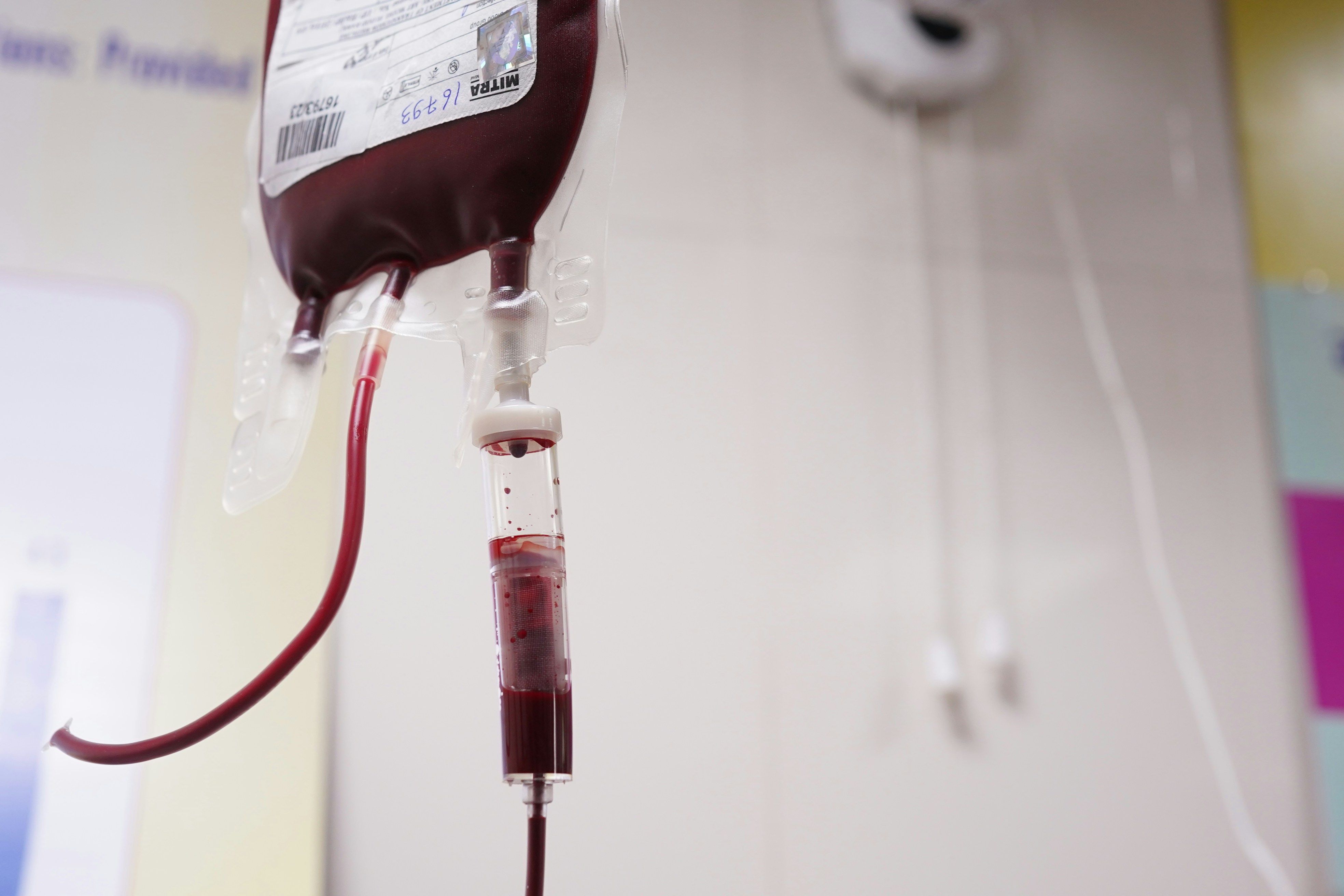
Transfusions are considered when hemoglobin falls below a certain threshold (generally below 7 g/dL) and can be given as needed.
Erythropoiesis-stimulating agents (agents that can stimulate increased red blood cell growth) have their own set of risks and benefits and are administered on a case-by-case basis.
What Else Causes Anemia? Non-Cancer Factors That Lower Hemoglobin
Anemia can be caused by many factors. Poor nutrition is one of the most common causes of anemia, such as iron deficiency. Other causes include infections, blood loss, such as heavy menstruation, chronic diseases, inherited disorders of blood cells, and many more.
As the bone marrow is the site of production of red blood cells, damage to the bone marrow, either directly or indirectly, can lead to anemia.
The Impact of Anemia on Cancer Patients
Cancer-associated anemia decreases the quality of life in patients with cancer and also affects the type of treatment they receive. Importantly, it has also been shown to be associated with shorter survival times. A large multinational prospective study showed that approximately 39% of patients with cancer were anemic. Gynecological cancer had the largest proportion of anemic patients, followed by lung cancer, and then lymphoma/myeloma. The study also found an increased likelihood of developing anemia with longer durations of chemotherapy.
If you are experiencing any signs or symptoms of anemia, please consult your healthcare provider for personalized recommendations.
About Author

Chandra Kakarala, MBBS, is an internal medicine resident interested in hematology/oncology, global health, and medical education. She is passionate about improving cancer detection rates and preventive care.
Works Discussed
World Health Organization. (2023, December 15). Anaemia. https://www.who.int/news-room/fact-sheets/detail/anaemia
Ludwig H, Van Belle S, Barrett-Lee P, et al. The European Cancer Anaemia Survey (ECAS): a large, multinational, prospective survey defining the prevalence, incidence, and treatment of anaemia in cancer patients. Eur J Cancer. 2004;40(15):2293-2306. doi:10.1016/j.ejca.2004.06.019
Caro JJ, Salas M, Ward A, Goss G. Anemia as an independent prognostic factor for survival in patients with cancer: a systemic, quantitative review. Cancer. 2001;91(12):2214-2221.
Ashorobi D, Munakomi S. Myelophthisic Anemia. [Updated 2023 Feb 12]. In: StatPearls [Internet]. Treasure Island (FL): StatPearls Publishing; 2025 Jan-. Available from: https://www.ncbi.nlm.nih.gov/books/NBK541103/